Best Things to Do in Raleigh You Shouldn't Miss
A year-round guide to the parks, museums, markets and neighborhoods that make Raleigh worth a long weekend or a lifetime.
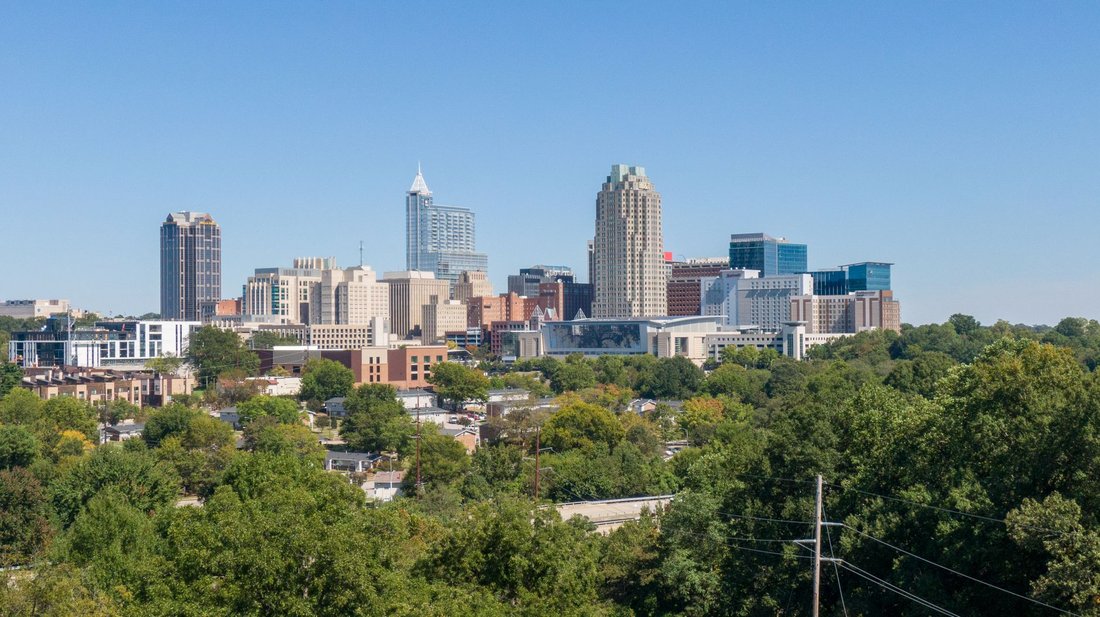
The best view of Raleigh is not from a rooftop bar. It is from the grass on the hill at Dorothea Dix Park, where the downtown towers line up above the old hospital grounds and the whole city seems to slow down to the speed of a person lying on a blanket. People bring dogs, kites, strollers and folding chairs, and nobody seems to be in a hurry. If you want the best things to do in Raleigh, start there, then keep going, because the capital city holds far more than one good lawn.
This guide is built for the long haul. It covers the places that locals keep returning to and the ones that newcomers should see first, sorted by what kind of day you want. Raleigh sits at the center of the Triangle with Durham and Chapel Hill close by, and plenty of what makes it fun involves crossing those lines, but the focus here stays inside the Beltline and just beyond it.
Best Things to Do in Raleigh if You Want Green Space
Raleigh is a park city, and the proof is that you can reach a wide lawn, a lake or a forest trail without leaving the metro. These are the outdoor anchors.
Dorothea Dix Park
Dix Park is the city's biggest ongoing project and its most democratic one. The property sits on a hilltop just southwest of downtown, on land that once held a state psychiatric hospital, and the city has been turning it into a public park in stages. The Gipson Play Plaza gave families a serious playground, while the long open slopes give everyone else room to spread out. The old campus buildings still stand in places, and the mix of historic brick and open sky gives the park a character no new development could manufacture.
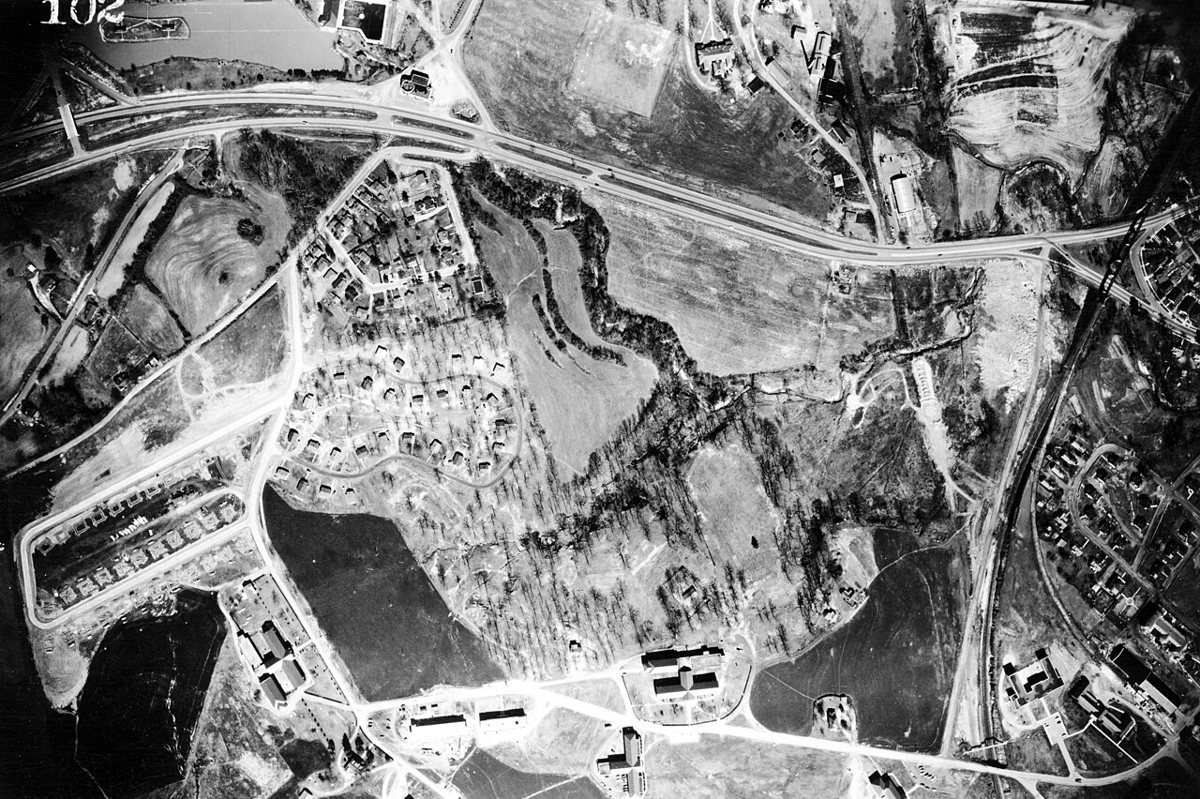

Go in the late afternoon, bring something to sit on, and walk the perimeter roads before settling in. Insider tip: walk to the high ground facing downtown for the skyline view, and save your photos for the last hour of daylight. Parking is manageable compared with downtown, and the park keeps adding programming, so check the park's own calendar before a visit.
William B. Umstead State Park
Umstead is the state's gift to anyone who needs ninety minutes of quiet. The park stretches across a big wooded tract between Raleigh and Cary and the airport, which means the roar of jets overhead is occasionally part of the soundtrack, but the trails swallow most of it. Crabtree Creek runs through the middle, and the old stone bridges and creekside paths feel like a stage set for a slow walk.
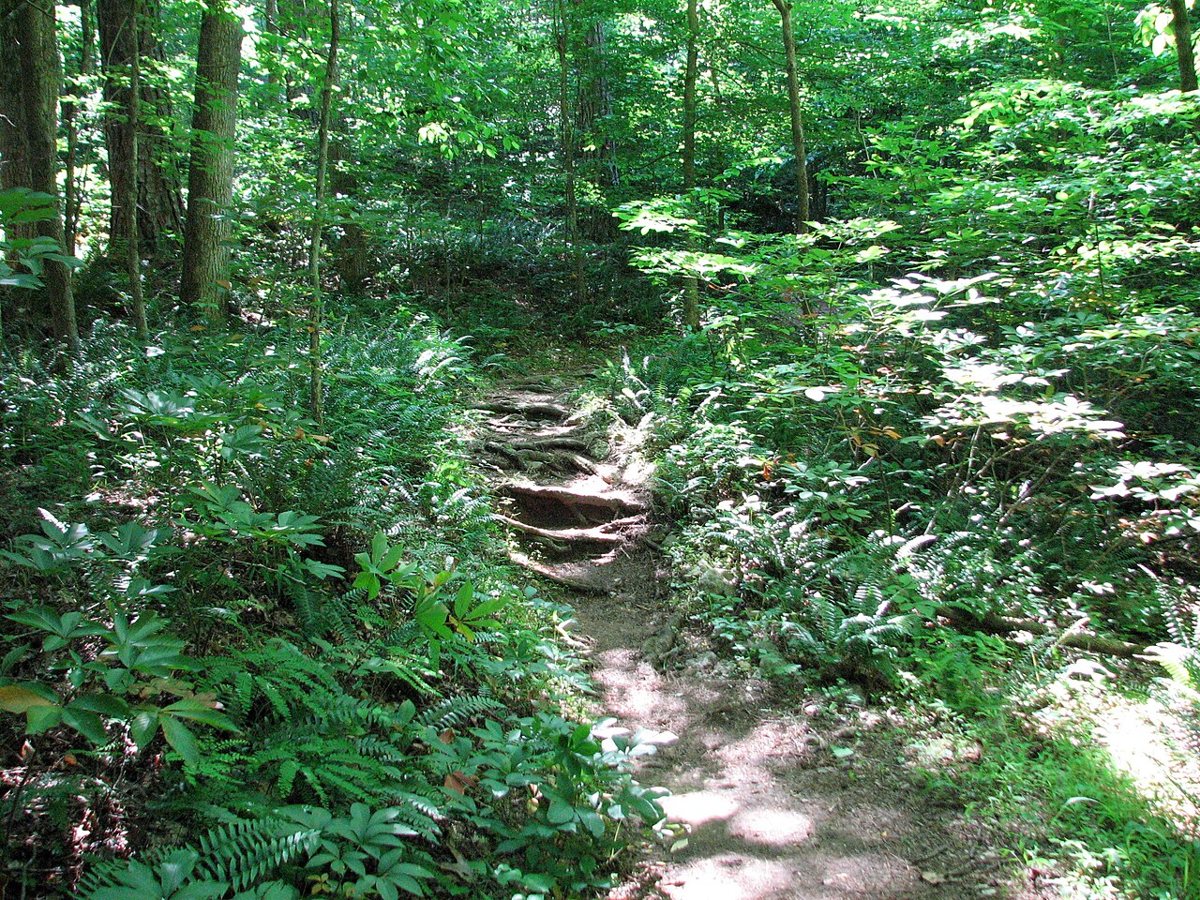

Pick a trail and commit, since the park rewards people who walk past the first parking area. Horse and bike routes run on the wide gravel roads, and the narrower footpaths are better for hiking. Locals know that weekday mornings feel nearly private, while weekend afternoons draw a crowd to the most popular trailheads. The park has separate Crabtree Creek and Reedy Creek entrances on different sides, so know which one you are heading to before you set the GPS.
Neuse River Greenway and the Capital Area Greenway
Raleigh's greenway network is one of its best-kept habits. The Capital Area Greenway system threads paved trails through neighborhoods, creek bottoms and parks, and the Neuse River Greenway Trail is the long, flat anchor of the whole thing, following the river for miles through the eastern part of the city. Cyclists, runners and families on bikes all share it, and the surroundings shift from suburban backyards to forested river bottom without much warning.
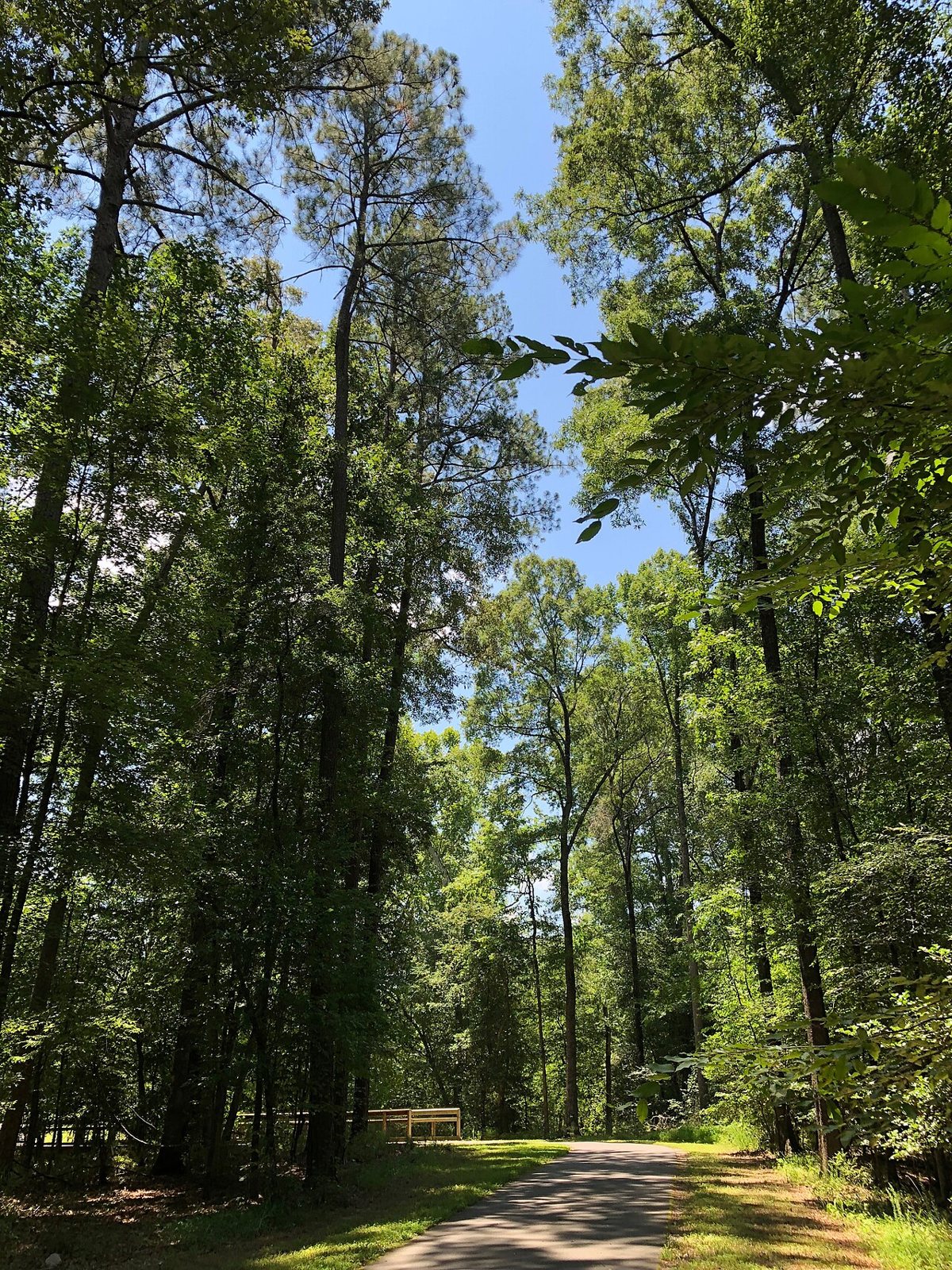

You can ride a short out-and-back or build a half-day trip with a stop along the river for lunch. The trail is long enough that it helps to pick a start point near parking you know and plan your turnaround time rather than aiming for an end. Bring water, since services along the route are thin in places.
Lake Johnson
Lake Johnson Park, in southwest Raleigh, is the neighborhood answer to a day at the lake. A loop trail circles the water, including a long boardwalk across a cove that is a favorite for birdwatching, and the boathouse side of the lake is the place for paddling. On a clear morning the surface goes glassy, and herons stand in the shallows like they own the place.
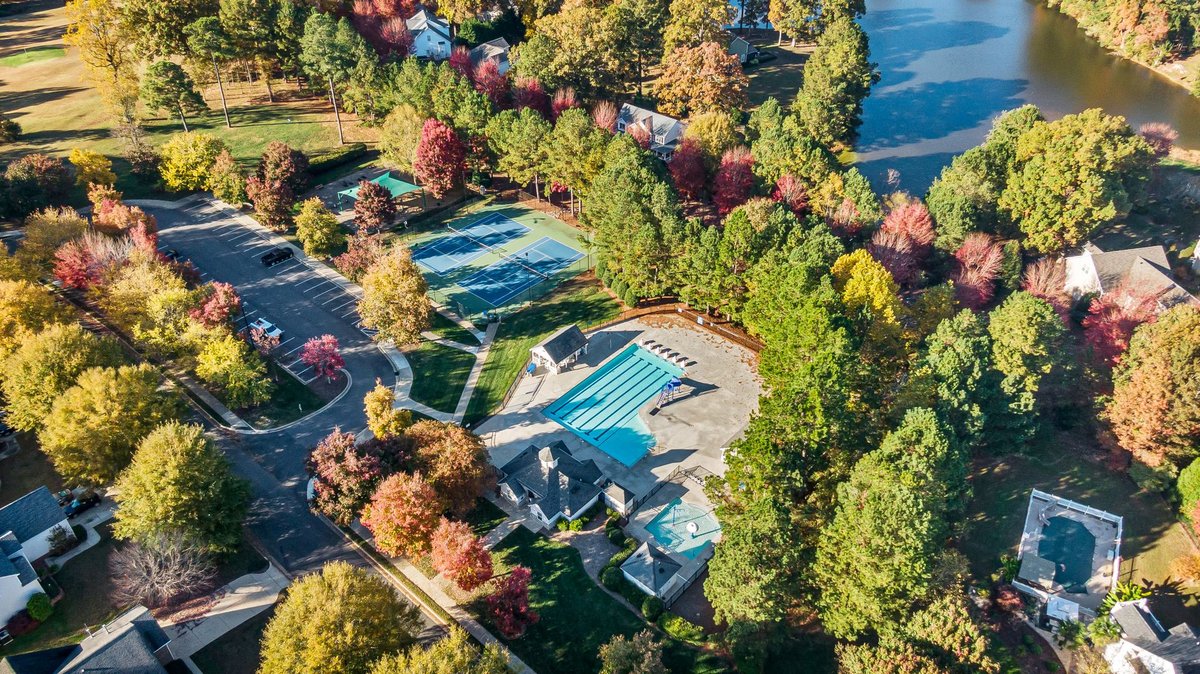
For time on the water, the boathouse rents kayaks and canoes; otherwise walk the loop for a couple of easy hours. The boardwalk is the signature stretch, so make sure your route includes it even if you skip the rest of the loop.
Museums and Culture, Mostly Free to Browse
Downtown Raleigh's museum cluster is one of the city's quiet advantages. Several of the state's flagship museums sit within walking distance of each other and the Capitol, and general admission to the big state museums has traditionally been free, which makes a rainy day cheaper than it should be.
North Carolina Museum of Natural Sciences
This is the museum that adults end up loving more than the kids. The building has a big, bright footprint downtown, with glass-walled lab spaces where visitors can watch research under way, whale skeletons hanging overhead and a dinosaur gallery that features some of the most important fossil finds in the region. The museum's Acrocanthosaurus, a centerpiece of the dinosaur hall, is the best-known resident, and the museum has made a point of showing how its scientists actually work.
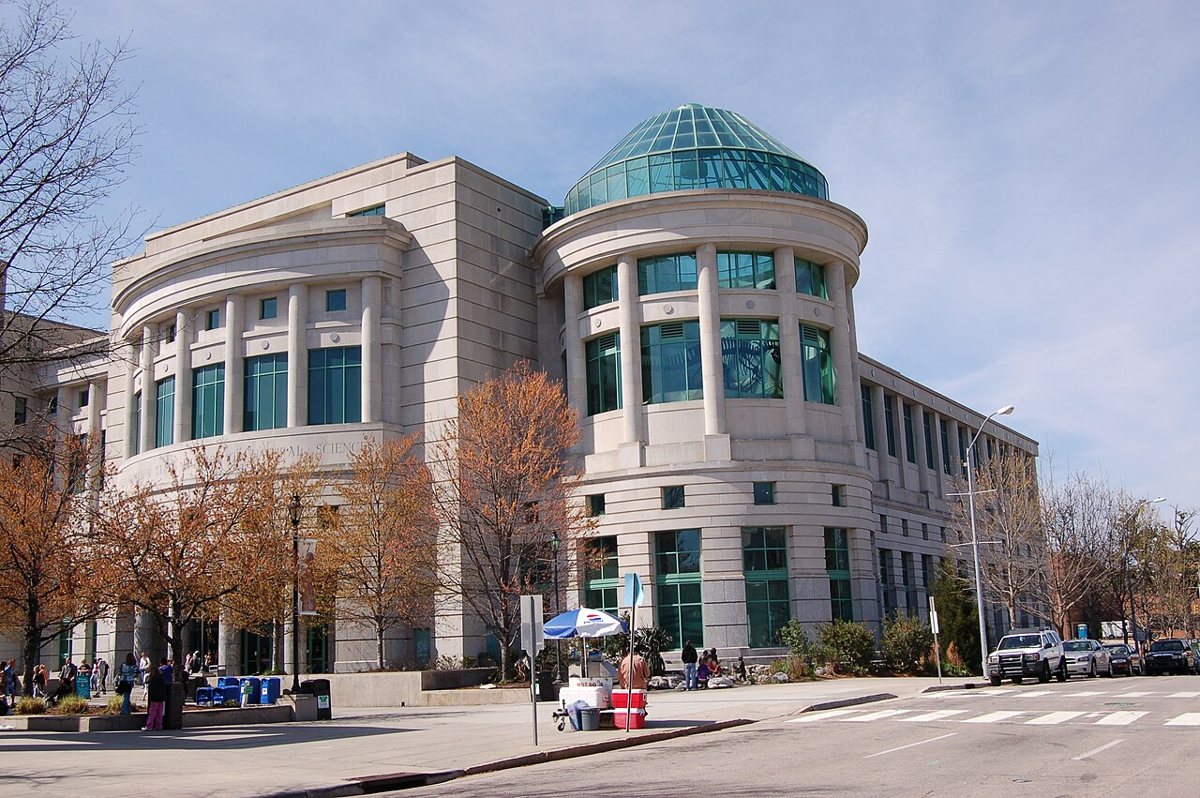

Plan on at least half a day, and cross the bridge between the two buildings, where the older halls give way to newer, more interactive spaces. The live-animal and research areas reward patience, so linger where a scientist or volunteer is actually working rather than rushing to the next big skeleton.
North Carolina Museum of History
Across the street from the Capitol, the History Museum tells the state's story with more humor and local detail than you might expect from the building. Exhibits range from early colonial life and the long, difficult stretches of the state's past to music, sports and everyday objects, and the galleries on North Carolina's folk culture are quietly some of the best in the Southeast.
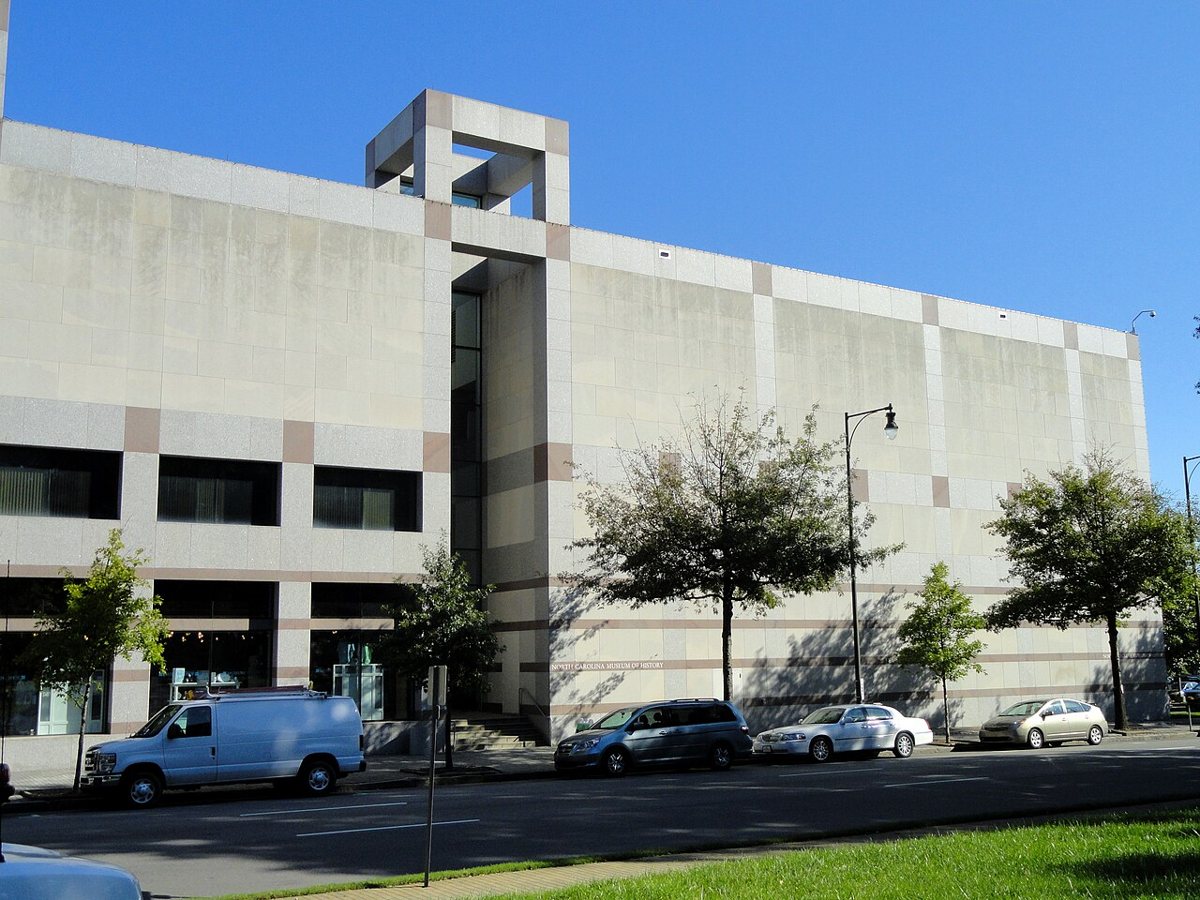

This is a good pairing with a Capitol-grounds walk, since both sit on the same stretch of Edenton Street and Bicentennial Plaza. Insider tip: go for the exhibits that match your own background, since the museum is strongest when it is showing you something you did not know about a place you assumed you understood.
North Carolina Museum of Art and Museum Park
The NCMA sits west of downtown on a wide campus that makes the case for the whole city better than most billboards could. The permanent collection runs from antiquity through European masters to contemporary work, and the Rodin gallery is a standout. The real surprise is outside. The Museum Park is a landscape of trails, meadows and large-scale sculpture, and it is open to anyone who wants to walk through it.
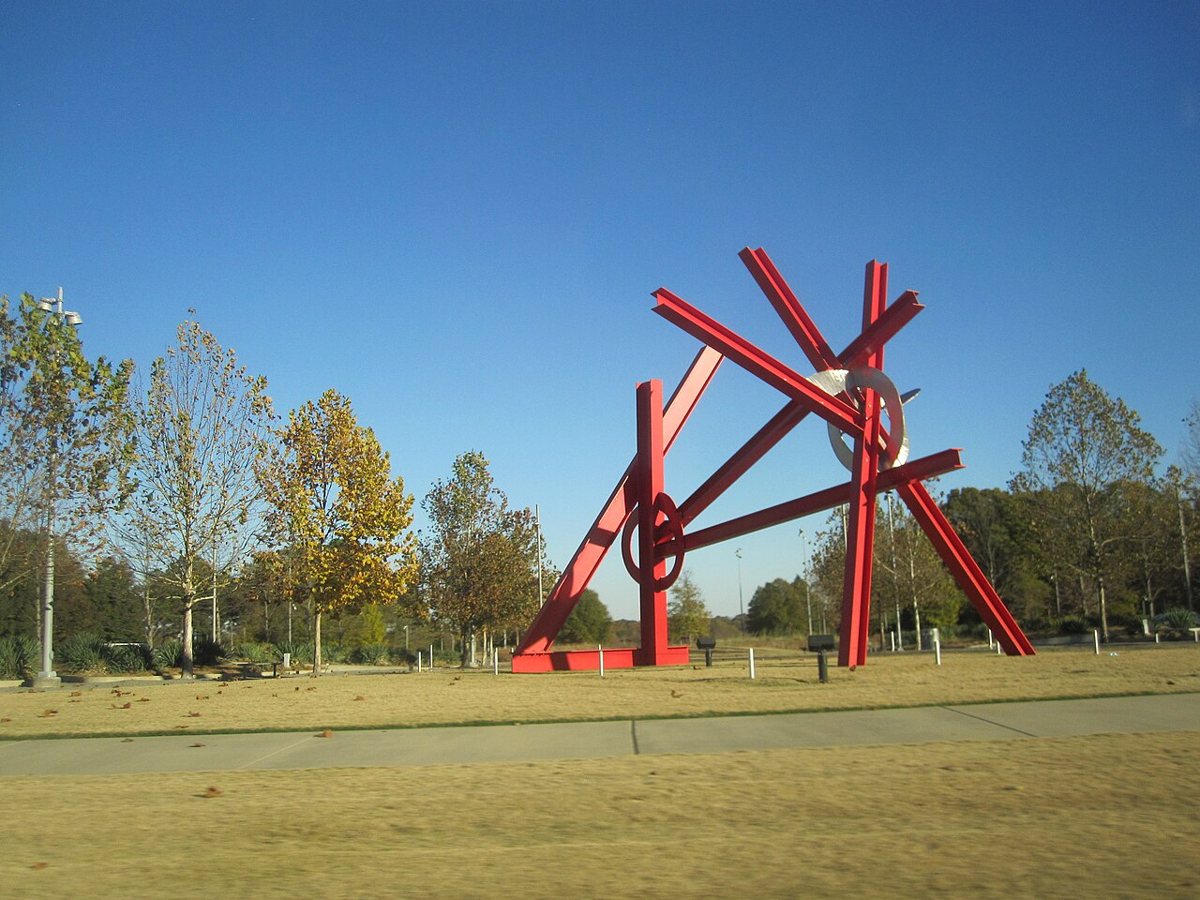

The park hosts outdoor film screenings and concerts in warm months, and locals treat a blanket on the amphitheater lawn as a proper night out. The park is a good place to combine art with exercise, because the trail loops tie the sculptures together, and you can walk right from the galleries into the greenery.
The State Capitol and Moore Square
The North Carolina State Capitol, a Greek Revival building completed in the middle of the nineteenth century, anchors a grassy square of old oaks and monuments. It is government at human scale, and walking the grounds is one of the pleasures of being in a state capital. A few blocks east, Moore Square is the city's older public green, ringed by arts venues and a growing set of restaurants, and it is the natural meeting point before a night in the Warehouse District.
Pair the two for a loose downtown walk. The Capitol's interior is open for visits, and a pass through the historic rooms takes less time than most museum stops. Moore Square is the better place to linger, with benches, shade and a front-row view of the city's downtown rhythm.
Where Families and Kids Spend the Day
Pullen Park
Pullen Park is one of the oldest public amusement parks in the country, and it still delivers a particularly old-fashioned kind of joy. The antique carousel is the headliner, with hand-carved animals that have been turning for generations, and a miniature train and paddle boats on the small lake round out the classic set. It sits right beside the NC State campus, so students, families and grandparents share the same paths.
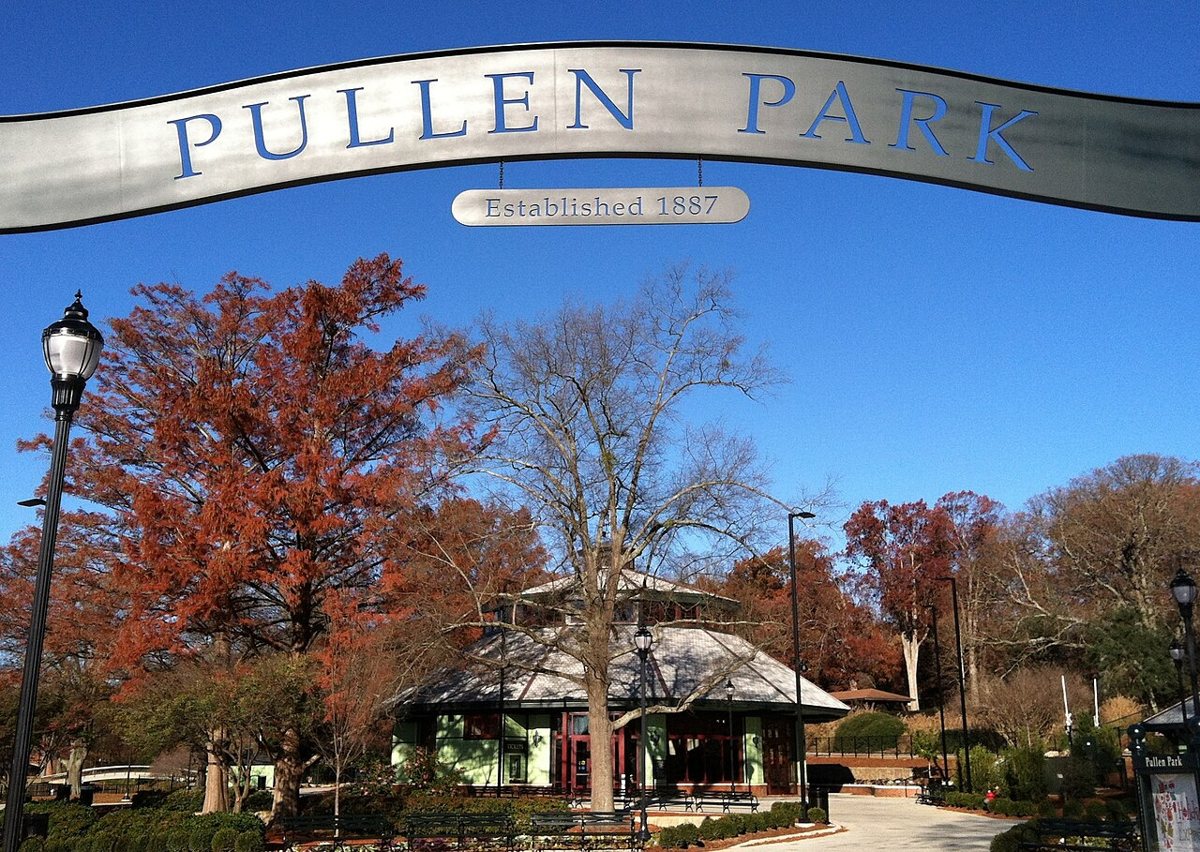

Bring small kids, a picnic and patience for a ride line on a pretty weekend. Weekday visits are far calmer, and the park is a perfect first stop before wandering over to the NC State campus and nearby Hillsborough Street.
Marbles Kids Museum
Downtown's Marbles Kids Museum is a play space designed by people who clearly remember being young. Rooms are built around pretend play, water, building and movement, and the emphasis is on kids doing things instead of reading labels. An IMAX theater sits in the same building, so a tired adult can sit in the dark for a bit.
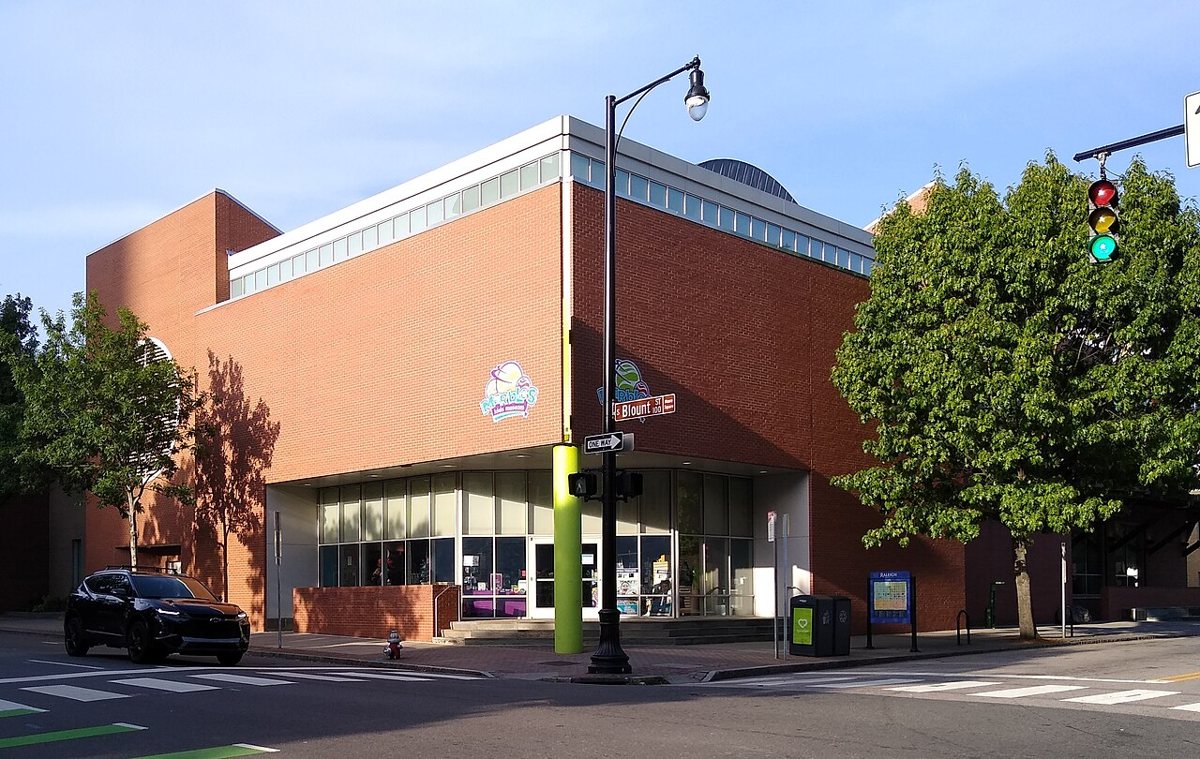

It works best for younger children, roughly toddler through early elementary. Arrive early to get a head start before the school groups, and pair it with a walk to Moore Square afterward to burn off whatever energy is left.
For Eaters, Drinkers and Plant People
The North Carolina State Farmers Market
The State Farmers Market on Lake Wheeler Road is a Raleigh institution with a wide range. Covered sheds hold produce, flowers and plants, with sweet potatoes, tomatoes and peaches taking the spotlight as the seasons turn, and the on-site restaurant has long been a place to eat a country breakfast next to farmers who have just unloaded their trucks. A garden center and gift shops fill out the rest.
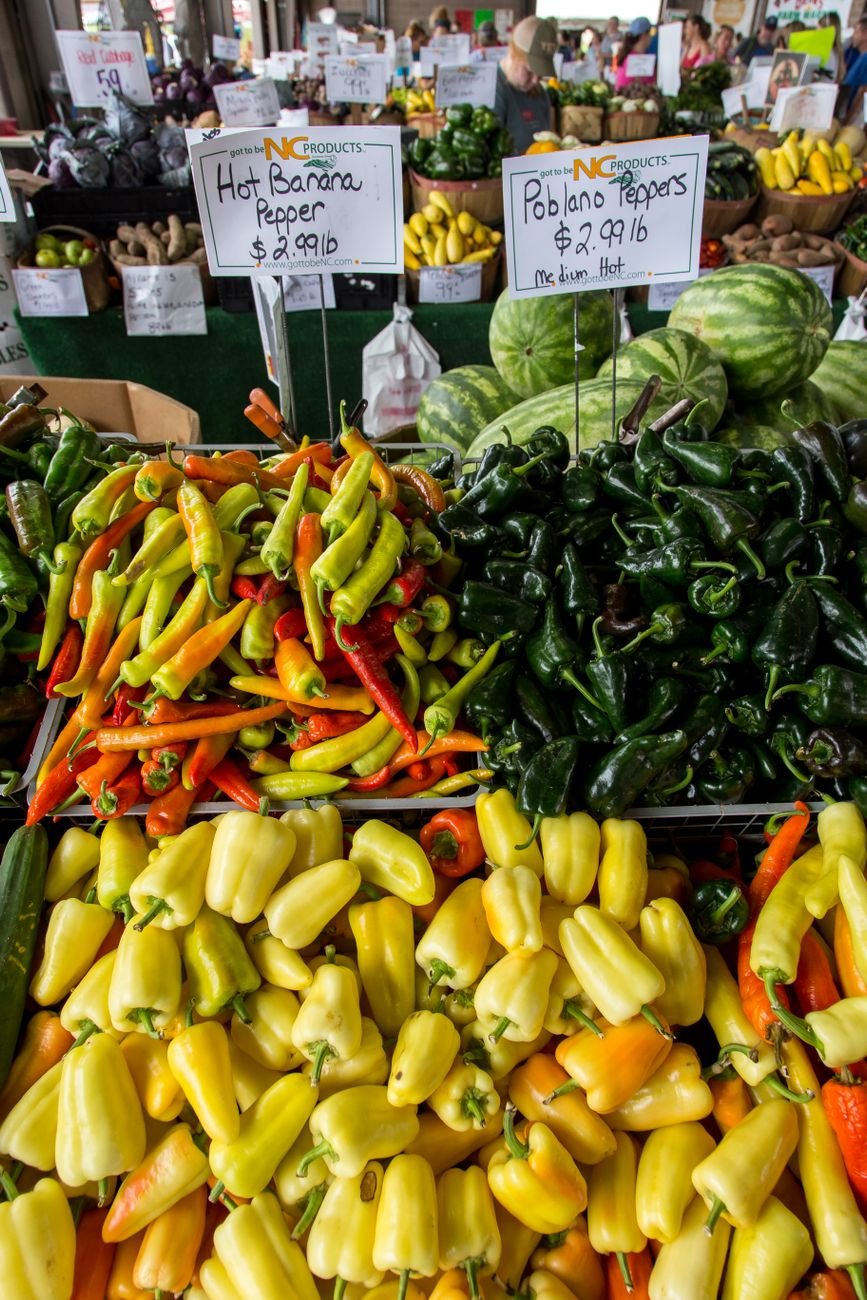
Go hungry and bring a cooler. The market is at its best early in the day, when the selection is fullest and the sheds are at their liveliest, and it is a good source for local honey, jams and North Carolina specialty foods that make real gifts.
JC Raulston Arboretum
Tucked into the NC State campus area, the JC Raulston Arboretum is a working plant research garden that happens to be beautiful. Collections of trees, shrubs and perennials from around the world are arranged in themed gardens, and many of the plants are tested here for how well they handle the Southeast's climate. Gardeners come to take notes, and everyone else comes to wander.
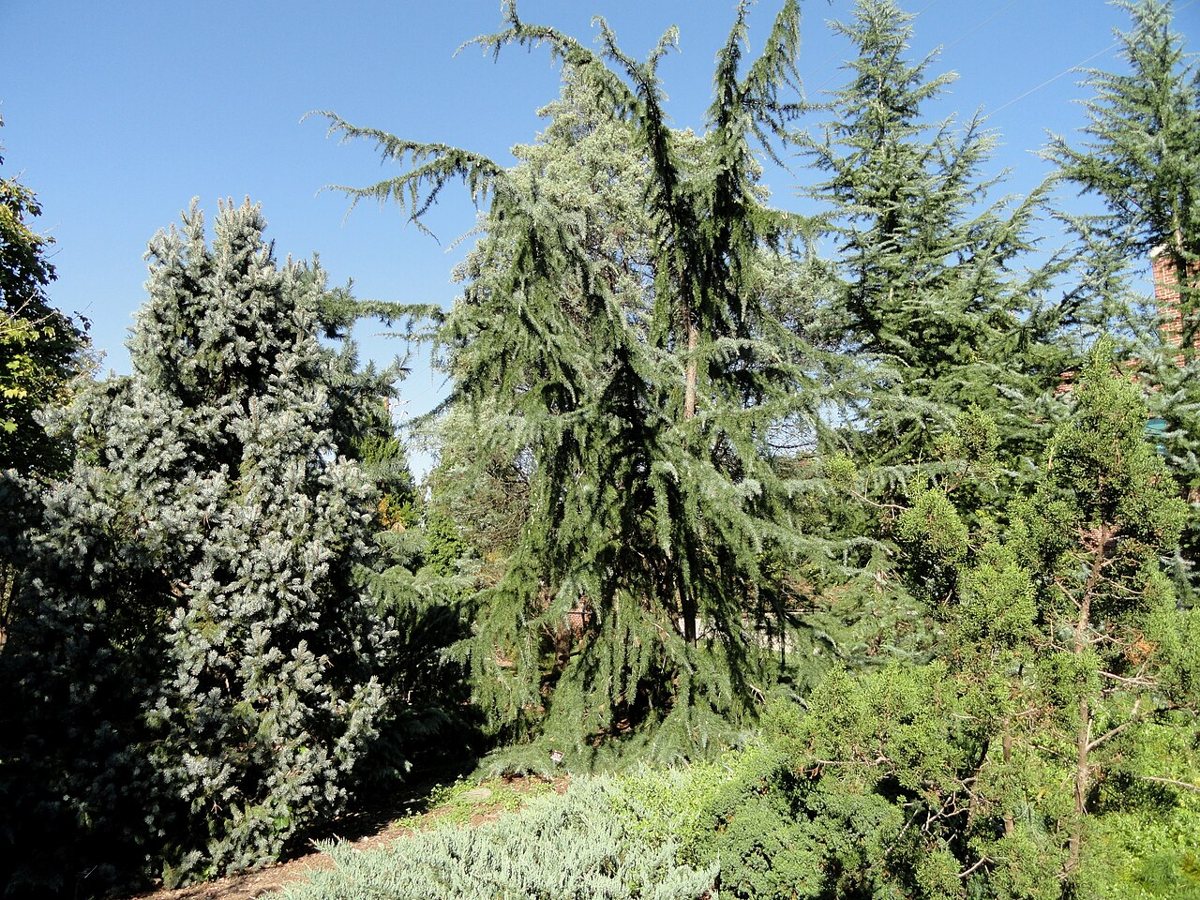

Visit with no schedule and let the paths pull you along. The garden changes character with every season, so a return trip in a different part of the year feels like a different place, and the plant labels make it easy to jot down a wish list for your own yard.
The Breweries
Raleigh has a deep craft beer scene, and the taprooms are as much community living rooms as bars. Trophy Brewing, Clouds Brewing and Lynnwood Brewing Concern are three names locals often mention, and many others sit in warehouses and converted buildings around downtown and the Warehouse District. Dog-friendly patios, food trucks and board games are common, and the pace is easygoing. For a deeper rundown, our guide to the Raleigh brewery scene walks through the options by neighborhood.
A casual brewery crawl is the simplest way to see several parts of town in a single afternoon. Ask the person pouring what is new, since small-batch releases often exist only in the taproom.
Games, Shopping and Neighborhood Wandering
PNC Arena and the Hurricanes
The arena in west Raleigh, long known as PNC Arena and now carrying the Lenovo Center name, is where the Carolina Hurricanes play, and a home game is one of the loudest, most communal nights the city offers. Fans in red fill the building, the pregame crowd spills across the surrounding parking lots, and even people who never followed hockey tend to pick up the rituals quickly. The arena hosts major concerts and other events as well.
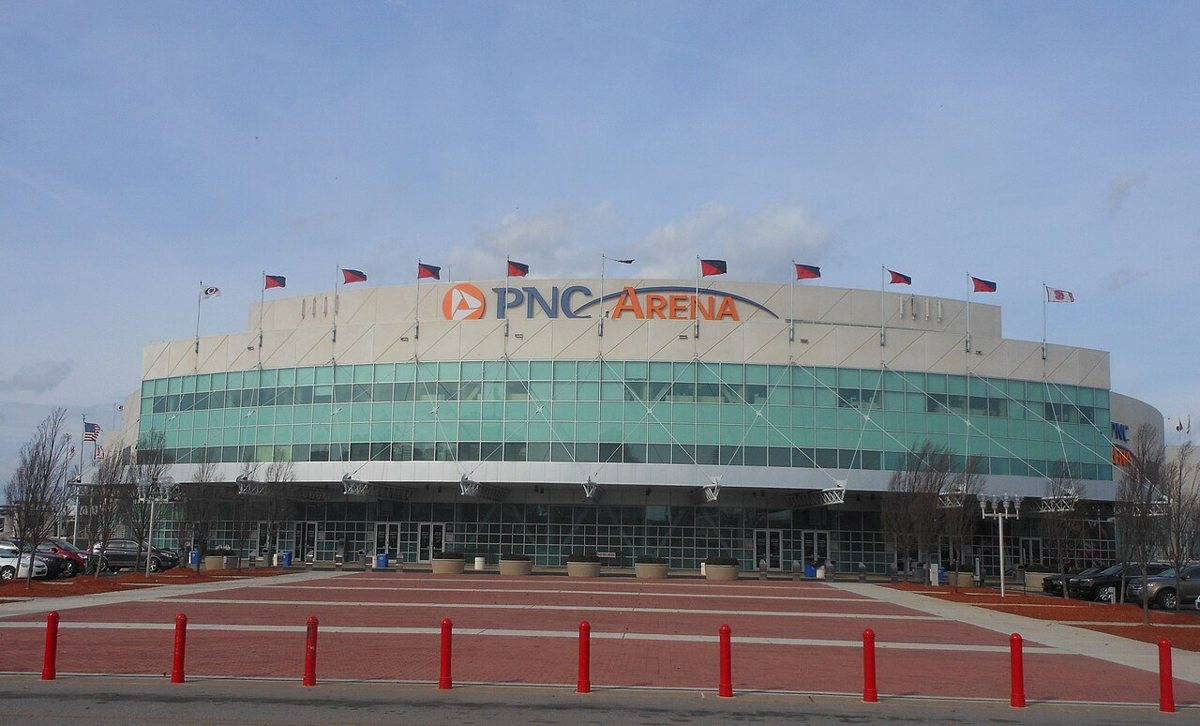

Take a rideshare if you can, since the area around the arena gets tight at the start and end of events. Arrive early, because the atmosphere outside the building is half the fun.
Cameron Village and the Village District
Cameron Village, one of the first shopping centers in the Southeast, now sits among tree-lined streets beside Oberlin Road and the Village District. It mixes independent shops, restaurants and service businesses, and the surrounding neighborhoods are some of the city's most walkable. A morning here can mean coffee, a browse through a bookstore and lunch at a patio without ever moving your car.
Pair it with a stroll through nearby Five Points, where older bungalows and mature oaks give the streets their character. Park once and walk, because the pleasures of this area are in the small detours.
Oakwood, Glenwood South and the Warehouse District
Three downtown-adjacent neighborhoods give the city its evening and weekend personality, and they could not be more different from one another. Oakwood is the historic residential district just north of downtown, where restored Victorian houses sit on quiet streets under old trees. The adjoining Historic Oakwood Cemetery holds the graves of Confederate soldiers and many prominent North Carolinians, and a slow walk through its paths is a history lesson with shade.
Glenwood South is the nightlife strip, a dense run of restaurants, bars and rooftop patios that fills up on weekend nights and stays calmer on weeknights. Locals tend to treat it as a place for a particular kind of evening rather than a daily haunt, and the better meals often hide on the side streets.
The Warehouse District, on the west side of downtown, is where the arts and music crowd settled into converted industrial buildings and lofts. Galleries, a rail-side restaurant scene and small venues share blocks with newer apartments, and the area is a good place to catch a show or browse an open studio. Worth a check: the First Friday gallery walk is a long-running local habit, but confirm what is happening before you plan around it.
Walk between these three if you have a free evening. The distance is short enough to cover on foot, and the contrast between Victorian porches, bar patios and brick warehouses explains Raleigh better than any single attraction can.
Practical Notes for Getting Around
Raleigh is a driving city, though a few pockets reward a walk. Downtown packs the Capitol, Moore Square, the state museums and Marbles Kids Museum within a few blocks of one another, so a single parking spot can serve a full day. Parks like Dix, Umstead, Lake Johnson and the greenways need a car or a bike, and the Neuse River Greenway rewards anyone willing to ride.
- Free or nearly free: Dix Park, the Museum Park at the NCMA, the greenways, the Capitol grounds, Moore Square and general admission at the downtown state museums. Confirm anything current on the official site before you go.
- Timing: weekday mornings are the calmest for nearly every outdoor stop, and indoor museums fill up on rainy weekends.
- Layering a day: pair a museum with a park nearby, such as the Museum of Natural Sciences with Moore Square, or the NCMA with a walk through Museum Park.
- Check first: hours, ticket policies and special events change, so look at each venue's own website the day you plan to visit.
If food is the real reason you are here, our picks for where to eat in Raleigh can help you plan the meals around these stops. Eastern-style barbecue, chicken biscuits and a good vinegar sauce are worth building a day around.
The Honest Take
Raleigh gets reduced to easy labels, and the labels miss the point. It is not a sleepy town, and it is not a copy of anywhere else. It is a capital city with working scientists, state workers, students and old-timers, and its best attractions reflect that mix: a free museum next to the Capitol, a research garden next to a university, a former hospital hillside that is slowly becoming the city's front yard.
The advice I give friends is simple. Pick one big anchor each visit, whether that is the Natural Sciences museum, a long afternoon at Dix or a morning in Umstead, and leave room around it for the unplanned stop. The places on this list reward a second and third visit, and Durham and Chapel Hill sit close enough to add on when you are ready for more of the Triangle. Raleigh does not need to be rushed, and the city is at its best when you give it an afternoon with no agenda.