Best Italian Restaurants in Raleigh Worth the Trip
Italian cooking in Raleigh has quietly grown up alongside the city itself. Here's how to find the places doing it right.
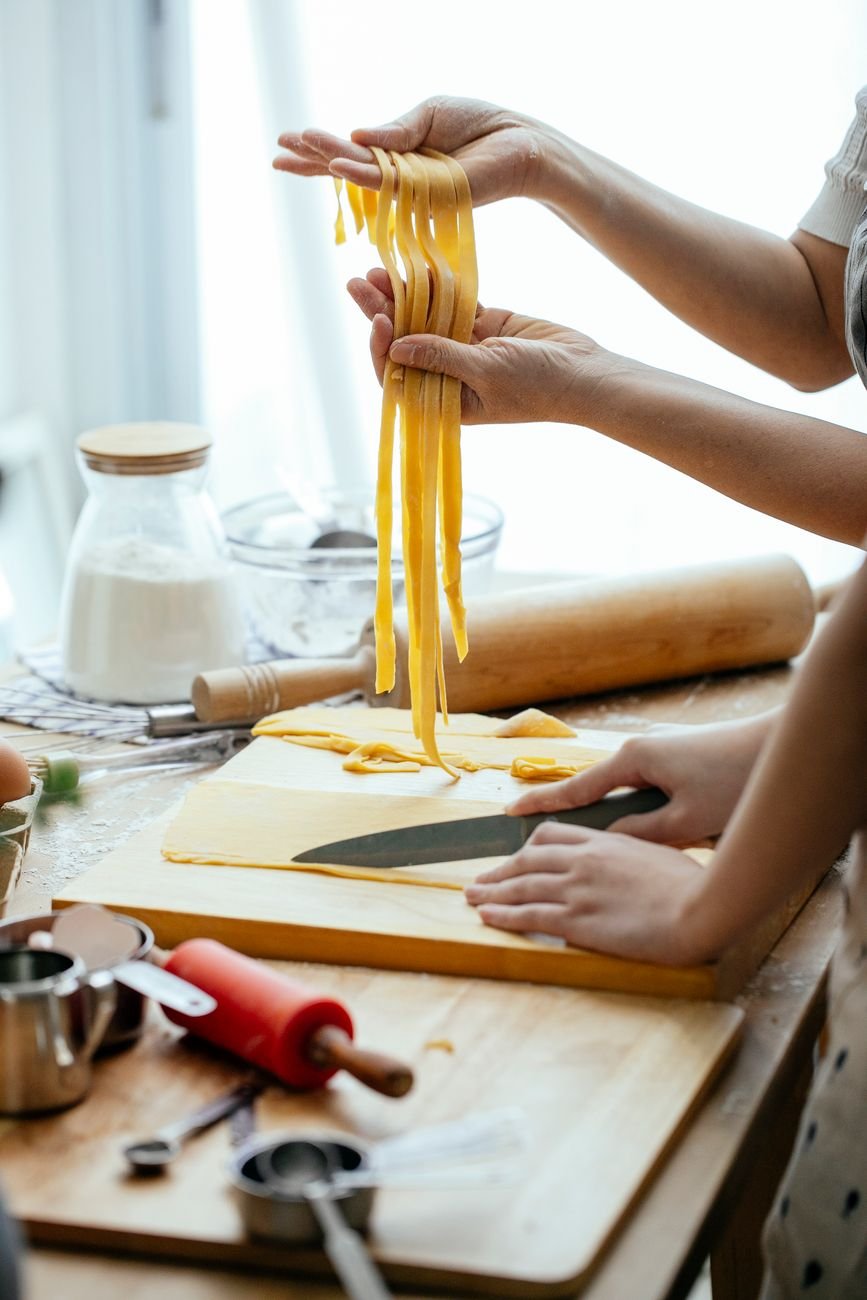
Saturday morning at the NC State Farmers Market, there's a moment around nine o'clock when the light comes through the shed roof at a low angle and the basil smell from the herb vendors reaches the parking lot. People load up on tomatoes, pick through summer squash, argue about which pepper grower has the better stock. What happens to that produce after it leaves the market is, increasingly, a measure of how serious a restaurant actually is. In the Italian kitchens worth your time, a lot of it ends up in something hand-made.
Raleigh's best italian restaurants in raleigh aren't operating in the city they were building twenty years ago, and that matters. The Triangle's tech-money growth cycle brought a customer base that had eaten in San Francisco, New York, and Chicago, that knew what properly salted pasta water tasted like, and that wasn't going to settle for a jar of Prego over penne just because the tablecloths were checkered. Restaurants felt that pressure. Some responded by importing technique: cooks trained in Emilia-Romagna, Rome, Naples. Others leaned into local sourcing, which turns out to complement Italian cooking naturally, drawing on the region's pork heritage, its produce seasons, its grain farmers. The better places figured out how to do both.
How to Find the Best Italian Restaurants in Raleigh
Geography is a reasonable starting point. Glenwood South is the obvious corridor, where the nightlife density supports high-rent spaces and the restaurants that fill them need volume to survive. Some of them are excellent. Others are coasting on atmosphere and a long wine list. The Warehouse District, by contrast, has historically rewarded places with a lower profile and a more specific point of view. Cameron Village remains a walkable pocket where you can find cooking that doesn't need to perform for the weekend crowd. None of this is absolute, but it's a useful frame when you're choosing where to spend two hours and forty dollars a person.
The thing to look for is not the menu length. A serious Italian program usually has a shorter menu than a mediocre one. Eight pastas, done properly, tells you more about a kitchen than twenty-two dishes that suggest a chef terrified of committing. Restraint is a signal.
Reading the Menu Before You Sit Down
Pasta is the honest test. Fresh pasta (tagliatelle, pappardelle, hand-formed shapes) requires time, skill, and daily attention. A place making its own will tell you, and the texture difference is not subtle. Dried pasta is not inferior by nature; bronze-die extruded dried pasta from a serious producer beats mediocre fresh pasta, and the best kitchens know which applications call for which. The indefensible version is pasta that's been sitting in water too long, or that arrives in a pool of broken sauce. You'll know it on the first bite.
Sauce ratios are the next tell. Italian cooking, done right, coats pasta rather than drowning it. A bolognese should cling to the noodle. A cacio e pepe should be creamy without cream, which is harder than it sounds and requires both the right cheese and proper technique with starchy pasta water. If it's grainy or soupy, something went wrong in the execution.
Bread deserves attention too, not as a filler but as a sign of whether the kitchen is paying attention to the whole meal or just the entrée. A basket of cotton bread is telling you something. Good focaccia, properly dimpled and finished with decent olive oil, is a small thing that signals a larger orientation.
What the Local-Sourcing Angle Actually Means
Italian food's relationship to locality is, historically, hyperlocal: specific valleys in Piedmont, specific coastal villages in Campania. That tradition translates surprisingly well to the Triangle's food culture. A kitchen pulling pork from a farm in Johnston County, peppers from a Chatham County grower, and greens from a Wake County market vendor isn't doing something inauthentic. It's doing something Italian in the deepest sense, adapting to what the place actually produces. This is worth asking about. Chefs who source locally are usually proud of it, and the answer tells you something about the kitchen's relationship to its ingredients.
The NC wine pairing angle is trickier. Muscadine wine is a legitimate part of the state's agricultural story, but it's a particular flavor profile (sweet, grapey, deeply regional) that doesn't always play well with food designed around Sangiovese pairings. Most serious Italian restaurants in the area maintain a focused Italian wine list alongside whatever local options they carry. The smart move is to ask what the kitchen actually drinks with the food they're making.
Neighborhoods and What They Signal
Five Points is underrated for serious eating. The neighborhood's ethos runs toward local-business loyalty and against flashiness, which creates the conditions for a restaurant that doesn't need to impress on Instagram. Find an Italian spot there with a small room and no valet, and pay attention to it. Oakwood, adjacent, has a residential quiet that attracts a certain kind of neighborhood restaurant, the kind where the owner knows the regulars by name and changes the menu with the seasons rather than the trends.
North Hills is a different calculus. The suburban retail environment there optimizes for reliability and comfort, which can mean safe Italian-American cooking done competently rather than regional Italian cooking done with conviction. That's not a criticism, since sometimes you want what you know, but it's worth calibrating expectations before you go.
The Warehouse District arts energy tends to attract chefs with something to prove, which can mean innovation for its own sake or genuine experimentation with form. The best scenario is a small room where someone is making hand-made pasta with local pork and a wine list selected by someone who actually visited the producers. It happens. Not always, but it happens.
Ordering Well
Start with whatever is seasonal and specific. A summer menu should look different from a winter menu. A menu that doesn't is working from a static playbook rather than from what's available. Antipasti made with local produce (roasted peppers, braised greens, cured pork) will tell you more about the kitchen's sourcing and technique than a Caesar salad.
For pasta, pick one that sounds simple. The simpler the description, the harder it is to hide poor execution. A cacio e pepe or a pasta al pomodoro is a direct test. If it's good, you can trust the more complex preparations. When it's off, the elaborate dishes won't save the meal.
Dessert in Italian cooking is often where kitchens drop the thread: a tiramisu made two days ago, a panna cotta from a bag. A fresh semifreddo or a properly made cannolo filled to order suggests someone is still paying attention at the end of the service.
This city's Italian scene, like Raleigh itself, has matured in ways that reward the people who show up curious. You can find work that matches what you'd get in a serious Italian-American city if you know what you're looking for. The broader local dining scene has developed that kind of range, and the newest openings keep raising the floor. The Triangle at this point is large enough to contain real cooking. The job is finding it.