Best Parks in Raleigh You Shouldn't Miss
A working list of the Raleigh parks actually worth your time, from a 300-acre former hospital campus turned skyline overlook to a five-thousand-acre state forest you can reach in twenty minutes.
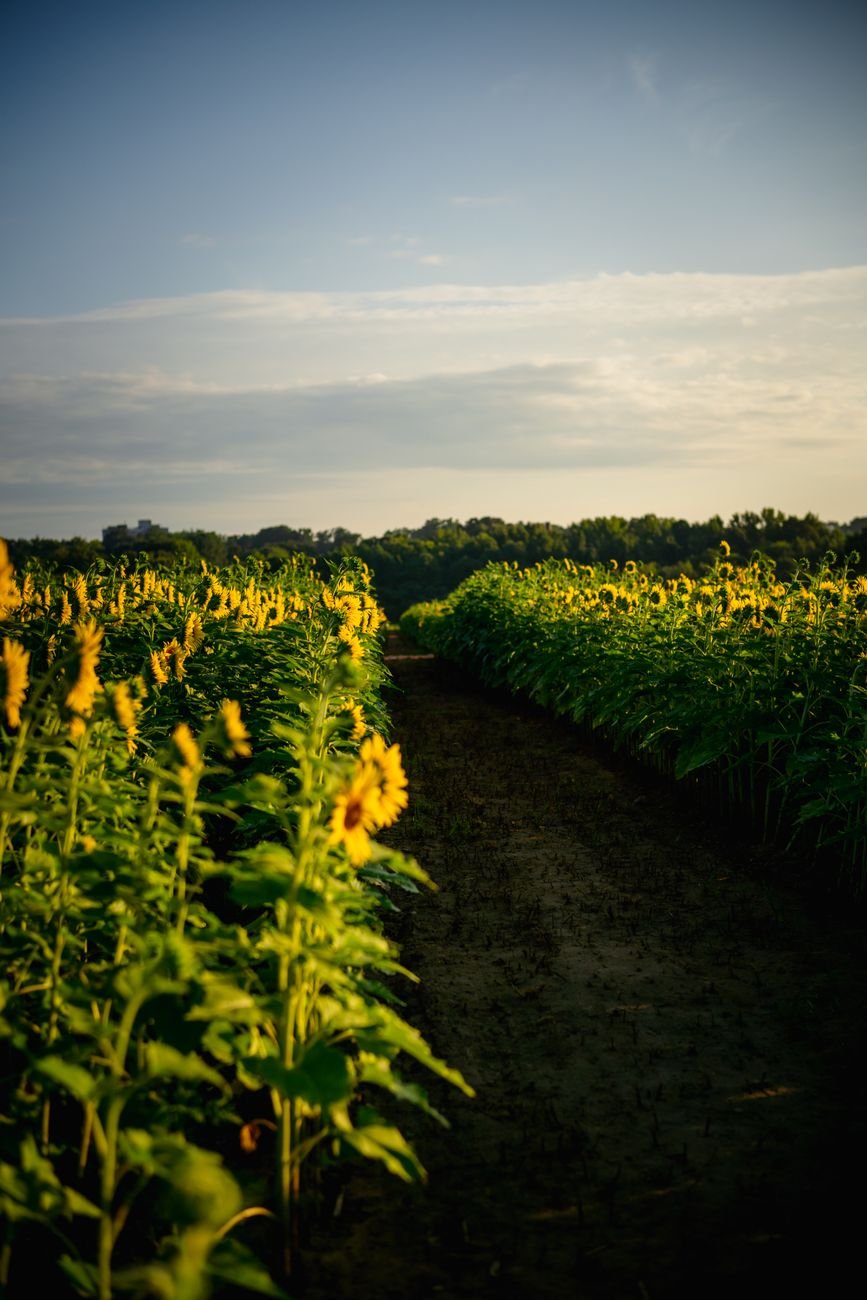
The sunflower field at Dorothea Dix Park turns to face the morning sun in July, rows of yellow heads tilted east with the downtown Raleigh skyline rising behind them, and by eight a.m. the gravel paths are already full of people walking dogs, running before the heat sets in, or just standing there taking a photo they'll post later. This is where any honest list of the best parks in Raleigh has to start, because no other patch of green in the city does double duty as both scenic overlook and civic gathering space quite like Dix does. But Raleigh's park system runs a lot deeper than one famous field of flowers, and it stretches well past the city line into the wooded county parks, working lakes, and greenway spurs that connect Raleigh to the rest of the Triangle. Some of these places anchor entire neighborhoods. Others are the kind of spot a longtime resident mentions almost as an afterthought, assuming everyone already knows about it, when plenty of visitors and even newer transplants never make it past Dix and Pullen. This guide tries to close that gap, park by park, without pretending every green space in Wake County earned a spot on it.
The Best Parks in Raleigh Start Downtown
Dorothea Dix Park covers more than 300 acres on a hill just southwest of downtown, land that spent more than a century as a state psychiatric hospital campus before the city bought it and began turning it into a park in phases. The most photographed corner is the sunflower field, planted fresh every summer and drawing crowds through July and into August, but the park's real draw is scale: open meadow, a network of paved paths, a dog park, and one of the best unobstructed views of the Raleigh skyline anywhere in the city. Gipson Play Plaza gives kids a modern playground built into a rolling green, and the Flowers Field lawn hosts pickup soccer games and picnic blankets on any clear afternoon. The park's long-term master plan keeps adding new pieces gradually, so a visit this year can look different from one two years earlier, with more of the old hospital buildings slowly opening up for public use rather than sitting fenced off. Insider tip: skip the crowded lot near the Chapel and park along Umstead Drive instead, then walk in past the old hospital buildings the city is slowly repurposing. This is southwest Raleigh, an easy ten-minute drive from downtown.

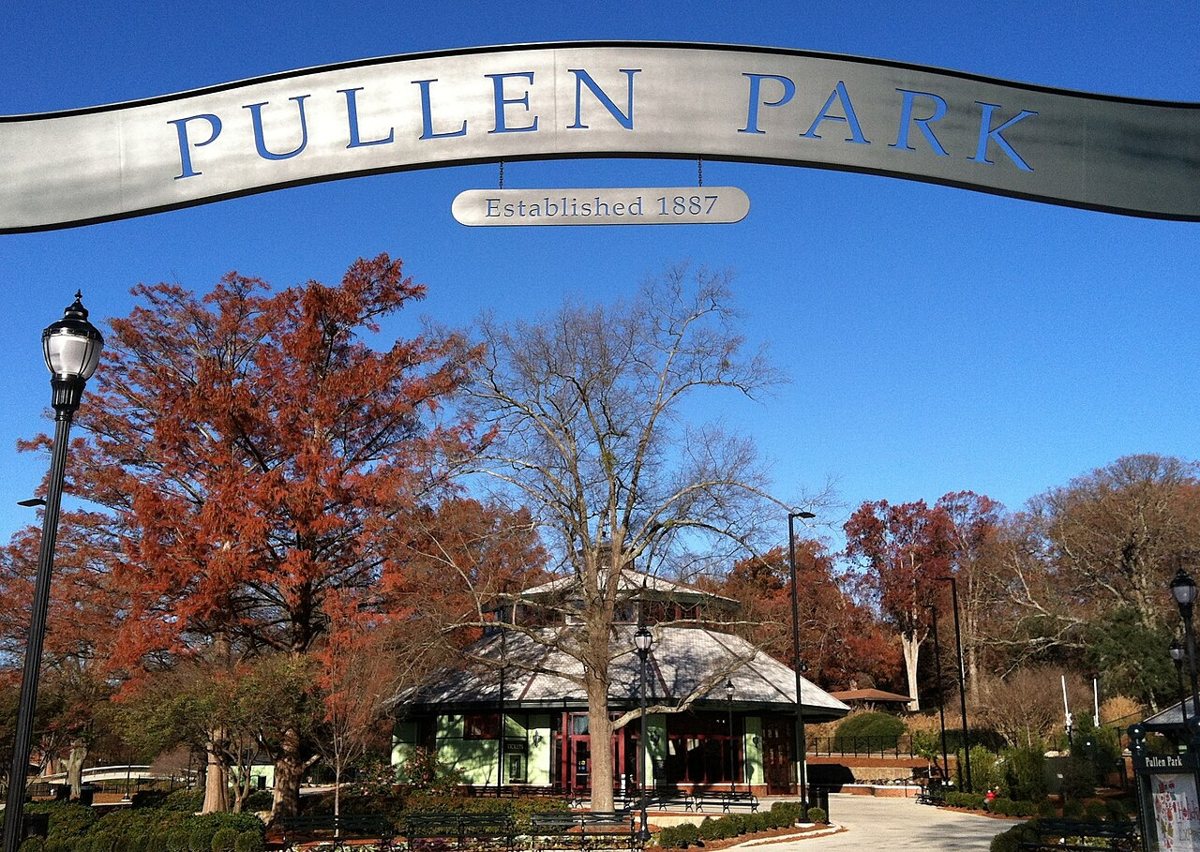
Pullen Park sits right against NC State's campus and holds the distinction of being one of the oldest amusement parks in the country still in operation, opened in the 1880s as a gift from Raleigh businessman R. Stanhope Pullen. The hand-carved wooden carousel from 1900 is the centerpiece, still running rides for a small fee, and paddle boats circle the park's small lake all summer long. Beyond the rides, Pullen has shaded picnic shelters, a splash pad, an aquatic center, and enough open lawn for a proper afternoon of doing nothing. Families with young kids tend to camp out here for hours, and it works just as well as a quiet lunch spot for NC State students cutting across campus between classes. A miniature train circles part of the park too, a detail that keeps this feeling more like a small-town county fair than a modern city amenity, and that contrast is exactly why locals keep bringing out-of-town guests here decade after decade. Get there early on a warm Saturday if the carousel line matters to you; midweek mornings are close to empty. It sits just west of downtown, a short walk from the Rocky Branch Trail.

Downtown itself holds two smaller squares that matter more than their size suggests. Moore Square, on the east side of the historic core, recently went through a full renovation that added a splash pad, a new pavilion, and better lighting, and it now anchors the First Friday gallery crawl crowds and the general foot traffic of the warehouse district around it. Nash Square, a few blocks west near the Duke Energy Center, is quieter and older, shaded by mature oaks and lined with benches that fill up with office workers at lunch. Neither square is a destination on its own, but together they prove Raleigh never gave up its original 1792 city plan, which set aside these public squares from the very start, long before anyone imagined a research triangle or a skyline of glass office towers rising around them. Insider tip: Moore Square is the better bet for people-watching after dark, when the pavilion lights come on and downtown restaurant crowds spill outward.

Lakes and Greenways for a Longer Loop
Lake Johnson Park, in southwest Raleigh near NC State's Centennial Campus, wraps a reservoir with a paved loop trail just under three miles around. It's one of the most reliably busy parks in the city for a reason: the trail is flat, shaded, and long enough to count as real exercise without requiring a car trip out of town. A boathouse rents canoes, kayaks, and paddleboats for time on the water, and fishing is popular along the quieter north shore, where the trail pulls away from the road noise and the water gets still enough to see straight down. Runners treat the loop as a training route, and dog walkers treat it as a social hour. Go at sunset if you want the water lit up gold through the trees; go at seven in the morning if you want the trail to yourself.
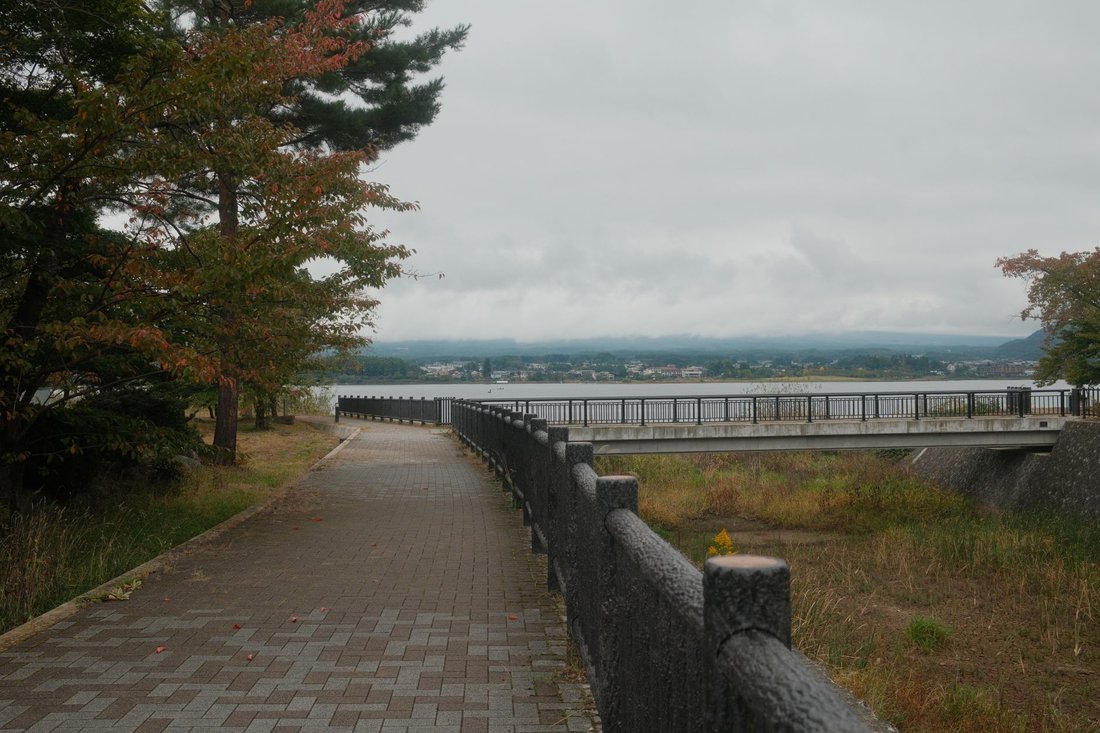
Shelley Lake anchors Sertoma Park in north Raleigh, a smaller lake with its own paved loop, a boathouse for rentals, and the Sertoma Arts Center tucked into the woods on the park's edge. The loop is shorter than Lake Johnson's, closer to two miles, which makes it a favorite for people who want a real walk without committing half a morning to it. Herons and turtles show up reliably along the reeds on the north side, and there's a fenced dog park just off the main lot. The arts center runs rotating exhibits and classes worth a look if you're already there, and a small amphitheater nearby occasionally hosts community events on the lawn. This part of north Raleigh is more residential and less visited by out-of-towners, which is exactly its appeal.

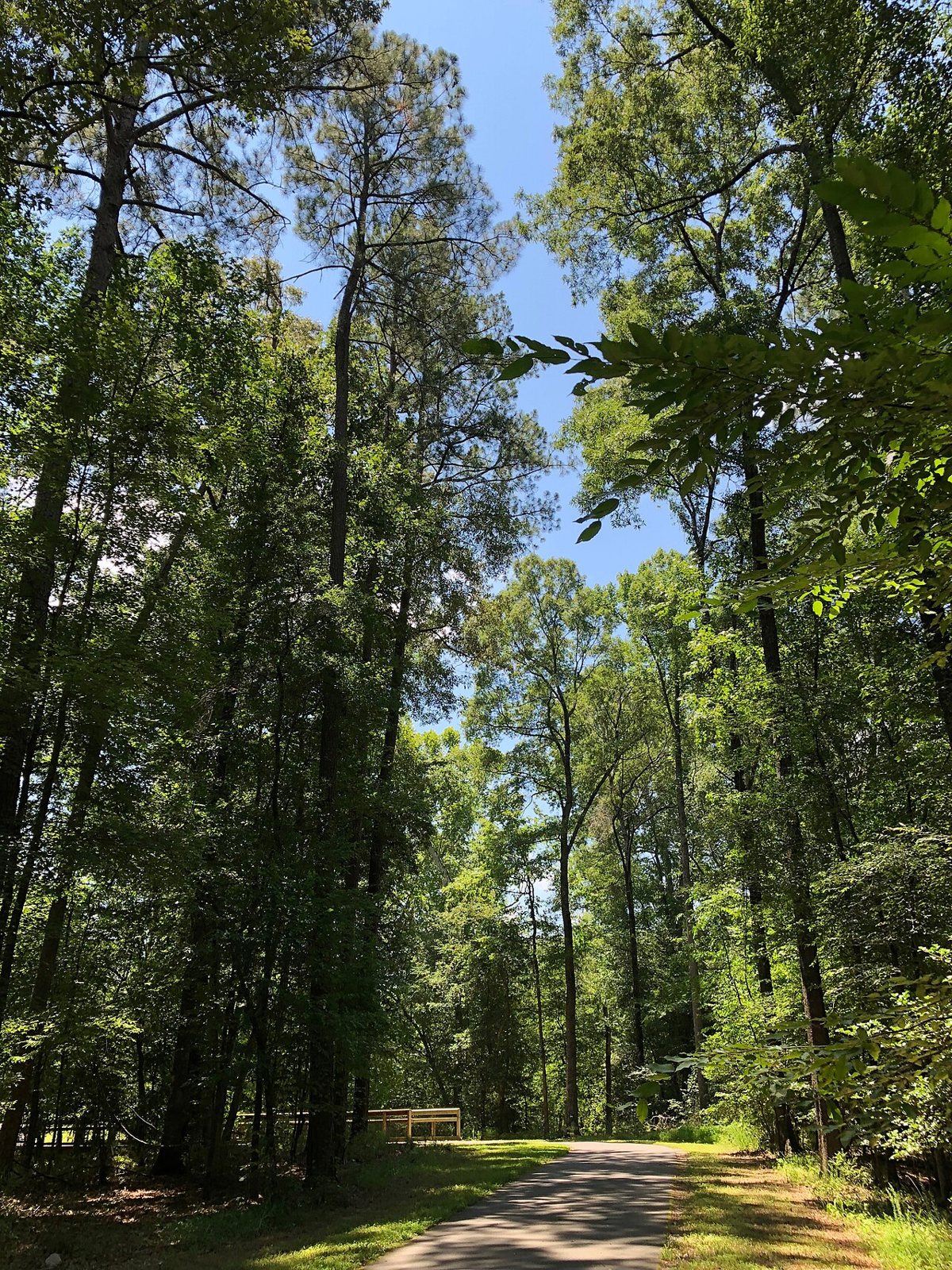
The Neuse River Greenway Trail is the spine that a lot of Raleigh's other greenways eventually connect to, part of the larger Capital Area Greenway system and stretching roughly 28 miles along the river from the northern county line down toward Clayton. Most people don't ride or run the whole thing in one go; they pick a segment, like the stretch near Anderson Point Park or the boardwalk sections through the floodplain forest, and treat it as an out-and-back. Cyclists use it as a genuine commuting and training route, not just a weekend novelty, and the tree cover makes even August rides tolerable before ten in the morning. Deer, herons, and the occasional beaver dam show up along the quieter stretches, a reminder that this corridor still functions as a real river floodplain rather than a manicured park amenity. For anyone chasing longer trails nearby, this is the one that rewards distance over dramatic terrain. Access points are scattered across the northeast and southeast sides of the city, so check a greenway map before you commit to a stretch.

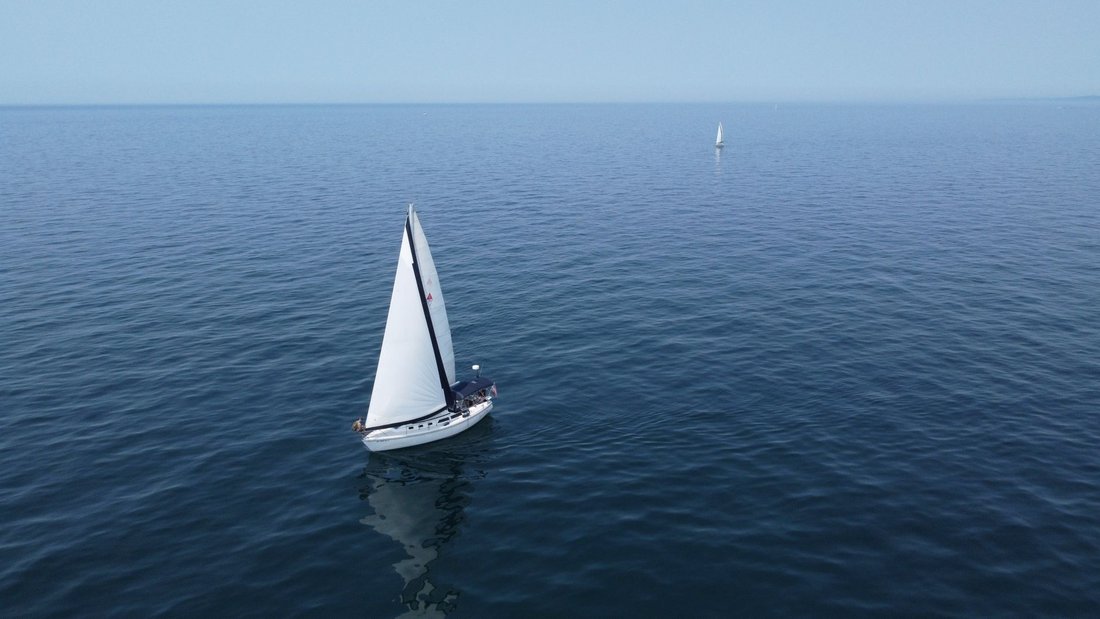
Lake Wheeler Park sits south of the city on one of the larger reservoirs in the area, big enough that it feels like leaving Raleigh entirely once you're on the water. Sailing clubs and rowing teams use the lake regularly, including NC State's rowing program, and the shoreline park has picnic shelters, a swimming area, and boat rentals for people who just want an afternoon on the water without owning a boat. It's less about a loop trail and more about the lake itself, which makes it a different kind of park visit than Johnson or Shelley. Weekday afternoons are close to empty even in summer. It sits far enough south that it feels like its own small escape, roughly fifteen minutes from downtown.
Lake Crabtree County Park, technically in Wake County's parks system rather than the city's, sits near RDU and Cary but pulls plenty of Raleigh visitors who want mountain biking terrain closer to home. The trail network here is rougher and more technical than the paved greenway loops elsewhere on this list, built and maintained with input from local mountain biking clubs, and there's a sailing and paddling program on the lake itself. It's a good pick for anyone who's outgrown the flat paved trails and wants actual elevation change and roots underfoot. The lake also draws windsurfers on breezy afternoons, a detail that surprises people who don't expect that kind of wind this far from the coast, and planes taking off from nearby RDU pass low overhead often enough that it becomes part of the scenery rather than a distraction.
State Parks and Nature Preserves Close to the City
William B. Umstead State Park is the big one: more than 5,000 acres of forest sitting almost exactly between Raleigh, Durham, and Cary, with RDU International Airport practically bordering its western edge. The park splits into two access areas, Crabtree Creek on the Raleigh side and Reedy Creek nearer to Cary, connected by miles of trail that range from wide bridle paths to narrow singletrack for mountain bikes. Big Lake, the largest of the park's three lakes, has a boathouse for rentals and a loop trail that's popular enough to feel crowded on a nice Saturday, while the smaller Sycamore and Crabtree lakes see far fewer visitors and reward the extra walk to reach them. What Umstead does better than any other park on this list is genuine quiet: within twenty minutes of downtown Raleigh, the tree cover is dense enough that airport noise fades and it starts to feel like real backcountry. It's the park locals send visitors to when someone asks where the actual wilderness is, and it's also where a lot of Durham and Cary residents end up without ever technically crossing into Raleigh.
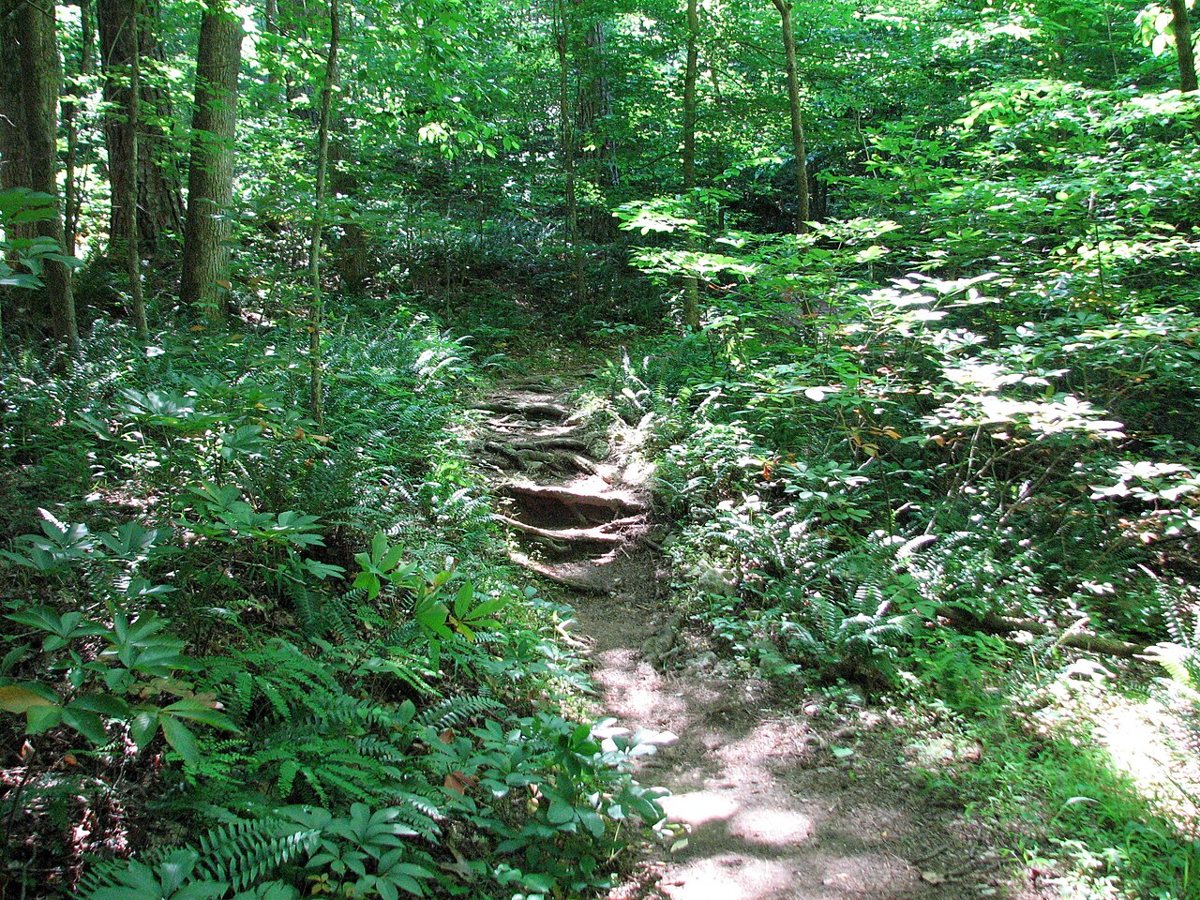

Durant Nature Preserve, in north Raleigh, is smaller and less known outside the neighborhoods around it, which is part of its charm. Around nine miles of trail wind through mixed pine and hardwood forest past two small lakes, with a nature center that runs school programs and a pollinator garden near the main entrance. The trails here see far less foot traffic than Umstead's, which makes it a solid pick for anyone who wants an actual walk in the woods without the crowd, and the elevation change on a few of the loops is enough to make it feel like more of a workout than the flat greenways elsewhere in the city. Mountain bikers use a few of the rougher trails on the property's edges. It's an easy add-on for anyone already exploring north Raleigh's lake parks the same day.
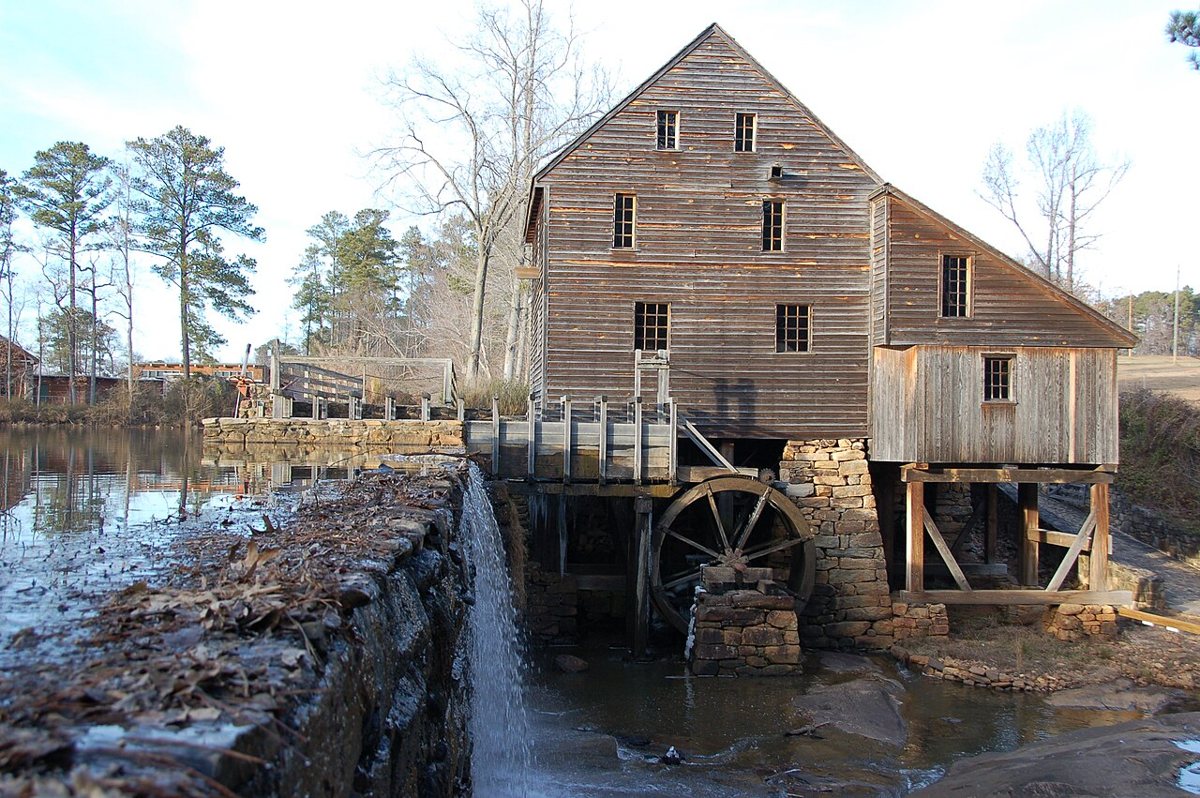
Yates Mill, officially Historic Yates Mill County Park, protects a restored 18th-century gristmill on Steep Hill Creek south of downtown, the last of more than 200 mills that once operated in Wake County. The mill still turns on select occasions, and the millpond beside it draws photographers year-round, especially at sunrise when fog sits low over the water and the old wooden structure catches the first light. A few miles of trail loop through the surrounding forest and wetland, gentle enough for casual walkers, with interpretive signs explaining the mill's mechanics along the way. This is the park to bring out-of-town family who want a sense of what the area looked like two centuries before Research Triangle Park existed. It sits just off Lake Wheeler Road, a short drive from the lake park of the same name.

Gardens Worth a Slow Walk
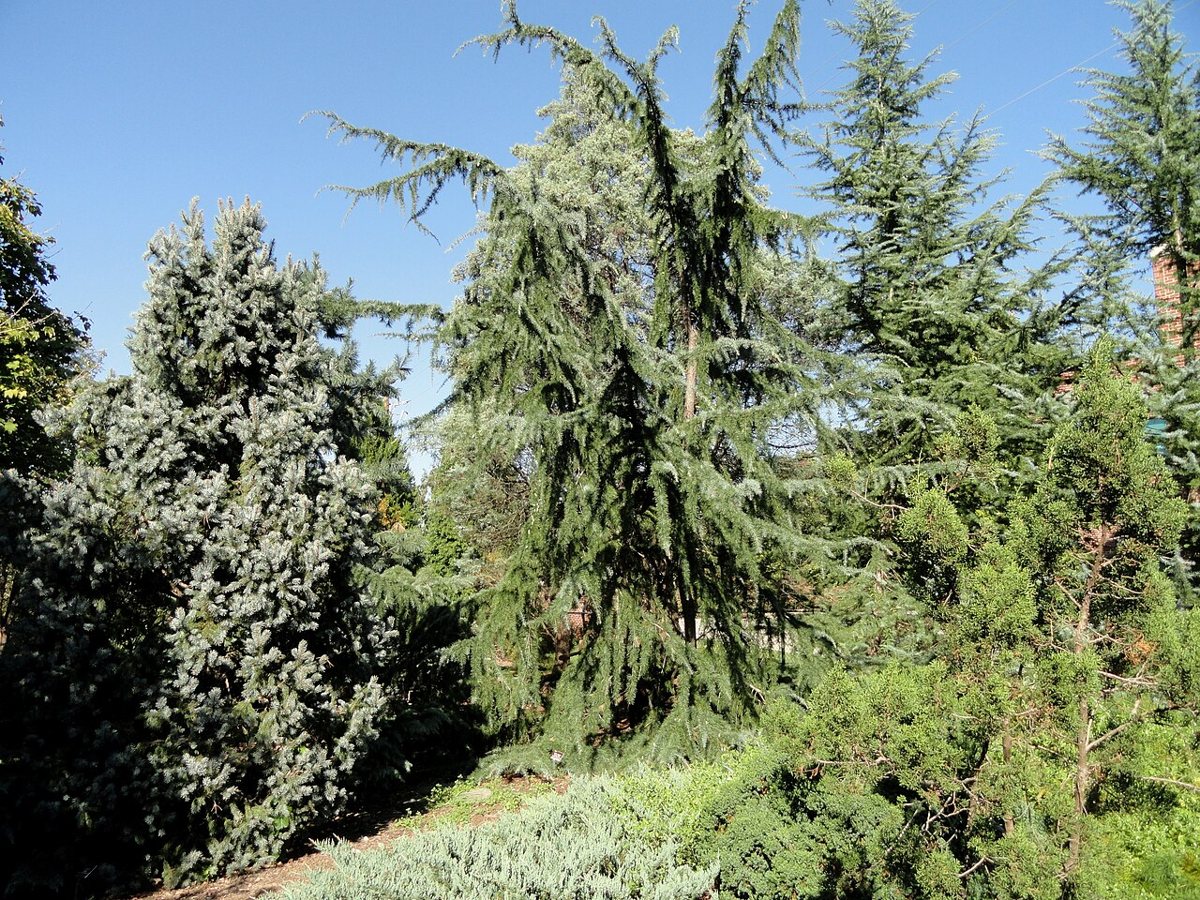
The JC Raulston Arboretum, run by NC State on the west side of the city, packs more than 6,000 plant varieties into about ten acres, making it one of the best cold-hardiness testing gardens in the country even though most visitors just come for the color. Something is usually blooming no matter the season, from winter camellias to summer perennial borders, and the paths are compact enough to cover in under an hour without feeling rushed. It stays quieter than the city's lake parks, drawing gardeners, NC State students between classes, and photographers more than casual park-goers. The scale garden and the white garden are worth seeking out specifically if you only have twenty minutes, and volunteer docents are often on hand to point out whatever happens to be at its peak that week. Free and open daily, it rewards a slow, unhurried lap more than a fast one.

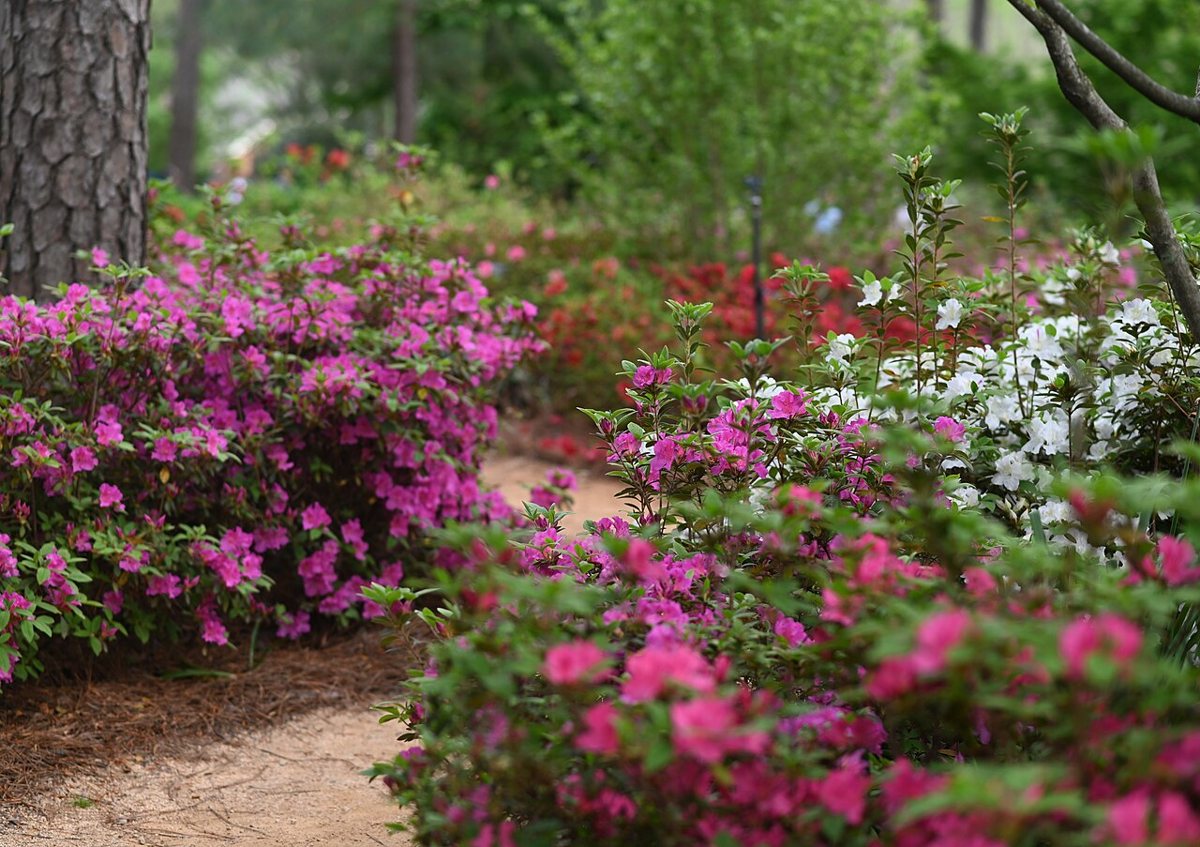
The WRAL Azalea Garden sits behind the WRAL studios in north Raleigh, a smaller, more contained space built around a dense collection of azaleas that peaks in a wall of color each spring. Outside of peak bloom it's still a pleasant, well-kept walk with a pond and mature shade trees, though it's clearly a spring-first destination. It's the kind of park most Raleigh residents drive past for years before finally stopping in, tucked behind a media company's parking lot rather than fronting a main road, which keeps it out of most visitor itineraries entirely. Bring a camera if you catch it at the right time of year; the color is dense enough to fill a frame without any editing help.

Family Parks and Everyday Green Space
Fred Fletcher Park, tucked into a residential pocket of northwest Raleigh, is smaller and plainer than most parks on this list, and that's exactly the point. It has a playground, tennis courts, a dog park, and a small lake with a short walking path, the kind of setup that exists in dozens of Raleigh neighborhoods but rarely makes anyone's headline list. Parks like this one are where most Raleigh residents actually spend their outdoor time, not the skyline-view showpieces but the ten-minute-from-home loop after dinner or the Saturday morning stop with a toddler and a stroller. If you're looking for a weekend outside that doesn't require a plan, a neighborhood park like Fletcher is where locals actually go. It's a reminder that a city's park system gets judged less by its headline acreage and more by how many of these small, unglamorous spaces exist within walking distance of an actual house.
Parking, Access, and Timing
Most of Raleigh's park system is free to enter, including every park on this list; the exceptions are small add-on fees for things like carousel rides at Pullen or boat rentals at the lake parks, not general admission. Parking is free at nearly every lot too, though Dix Park and Pullen Park both fill their main lots on nice weekends, so arriving before mid-morning saves the hassle of circling. Greenway trails connect a surprising number of these parks to each other, which means a single visit can turn into a longer loop if you're willing to string segments together on foot or by bike rather than driving between stops. A few practical notes for planning a visit:
- Greenway access points are scattered across the city rather than centralized, so pull up a Capital Area Greenway map before committing to a segment of the Neuse River Greenway Trail or any connecting spur.
- Summer mornings and early evenings beat midday for the lake parks and greenways; shade cover varies a lot between segments, and the paved loops hold heat.
- Leashed dogs are welcome at nearly all of these parks, and several, including Dix and Shelley Lake, have separate fenced dog parks.
- State parks like Umstead can close vehicle access once lots fill, especially on fall weekends, so a backup plan or an early start matters more there than at the city parks.
- Water rentals at Lake Johnson, Shelley Lake, and Lake Wheeler are seasonal and weather-dependent, so a paddle isn't guaranteed every month of the year.
- Bikes are welcome on nearly every paved greenway and loop trail listed here, though some of the narrower forest singletrack at Umstead and Lake Crabtree is built specifically for mountain bikes rather than road or hybrid bikes.
The Raleigh Take
People who move here from bigger cities sometimes act surprised that a state capital anchored by government buildings and three research universities also has this much green space this close to downtown, as if the two things shouldn't coexist. They coexist because the growth here never got separated from the land underneath it: NC State kept its arboretum, Wake County kept building lake parks as the suburbs spread, and the city spent years turning a former psychiatric hospital campus into its most ambitious park instead of selling it off in parcels. None of this makes Raleigh unique in the Triangle. Durham has its own strong park system, and Chapel Hill's greenways connect into the same regional network, which is part of why so many Umstead trail users cross county lines without thinking twice about it. What sets Raleigh's parks apart is the range packed into one city: a 300-acre skyline park, a 140-year-old amusement park, a working gristmill, and a research arboretum, all reachable without leaving the county. None of that happened by accident, and none of it needs a comparison to some other city to justify itself. Pick two or three from this list and you'll understand the city better than a week of restaurant reviews would tell you.