Best Museums in Raleigh for 2026
From the free state museums downtown to a sculpture park on the edge of the city, a local guide to the best museums in Raleigh, sorted by what you actually want to see.
On a weekday morning near the State Capitol, the sidewalks belong to school groups. Clusters of fourth-graders in matching T-shirts cross Jones Street toward the Museum of Natural Sciences, chaperones counting heads, while retirees and legislative staffers stroll past on their way to coffee. The scene repeats most days of the school year, and it explains why the best museums in Raleigh tend to feel like public property: a handful of the biggest ones belong to the state and sit within a few blocks of each other, and they usually welcome visitors without an admission charge.
That is only the downtown half of the story. Raleigh also has a world-class art museum set inside a sculpture park, a children's museum that adults enjoy nearly as much as their kids, and a contemporary art space in the Warehouse District. A university design museum and a few small historic houses tell stories the larger institutions cannot. This guide walks through all of them by type, with notes on who each place suits best and how to pair them, plus what to do when you want to cross the county line into Durham and Chapel Hill.
A quick word on logistics before the tour. Hours and ticketing change and special exhibitions rotate. Several of these places run timed or ticketed shows on top of free general entry, so check each museum's own website before you go. Everything below describes what each institution is and why it earns a spot, not what it costs this month.
The Best Museums in Raleigh for Art
North Carolina Museum of Art
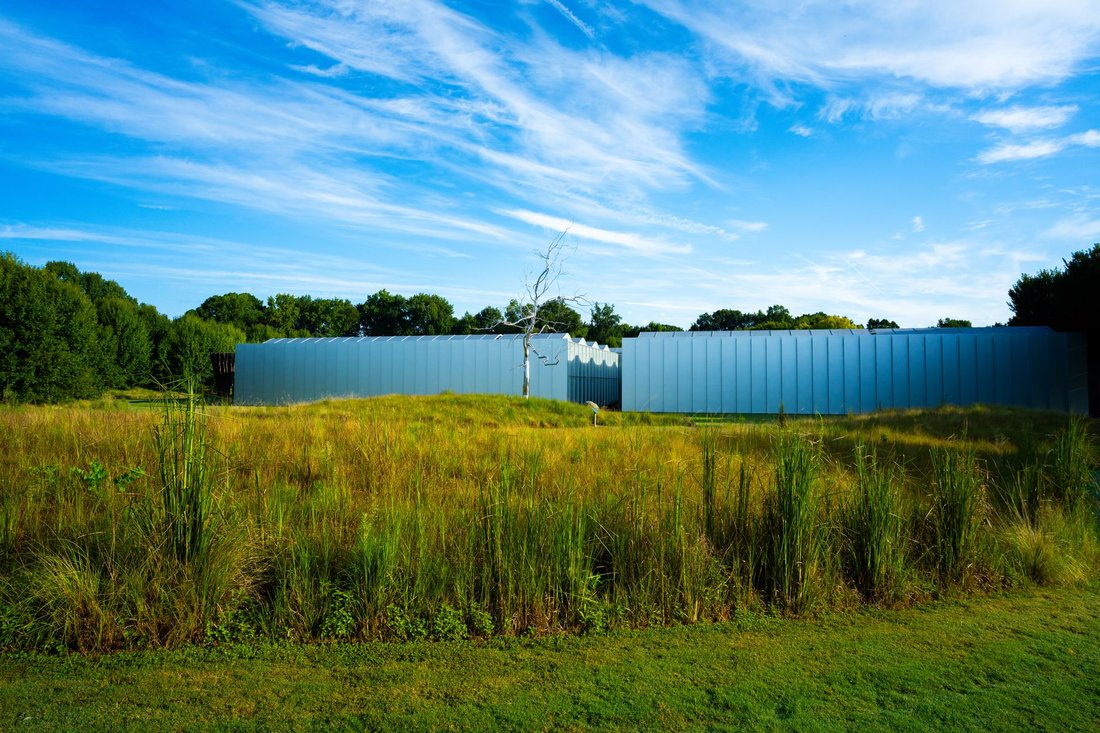
If a visitor has time for only one stop, this is the one. The North Carolina Museum of Art, known to everyone as NCMA, sits on a wide campus off Blue Ridge Road, close to the Fairgrounds and Carter-Finley Stadium, and it is the anchor of the state's visual arts scene. Two connected buildings hold the collection. The older building carries the traditional galleries, with European painting and ancient Egyptian and classical works, plus a long-admired room of Rodin sculpture. The newer, light-filled building handles the rest, including American and African art alongside Oceanic and contemporary work, plus a gallery devoted to Jewish ceremonial art that is unusual for a museum of this size.
What sets NCMA apart from most regional museums is that the grounds are part of the experience. The museum sits within a large outdoor park where sculpture and walking trails sit among open lawns behind the buildings, and people use it as a public park even when they have no plans to go inside. Permanent galleries have usually been free to enter, while major traveling exhibitions are ticketed, which is a useful split for anyone who just wants an afternoon with the permanent collection. The museum has long hosted outdoor film screenings on the lawn in summer, a ritual many Raleigh families treat as a calendar fixture. It is best for art lovers and picnickers, and for anyone planning a slow day.
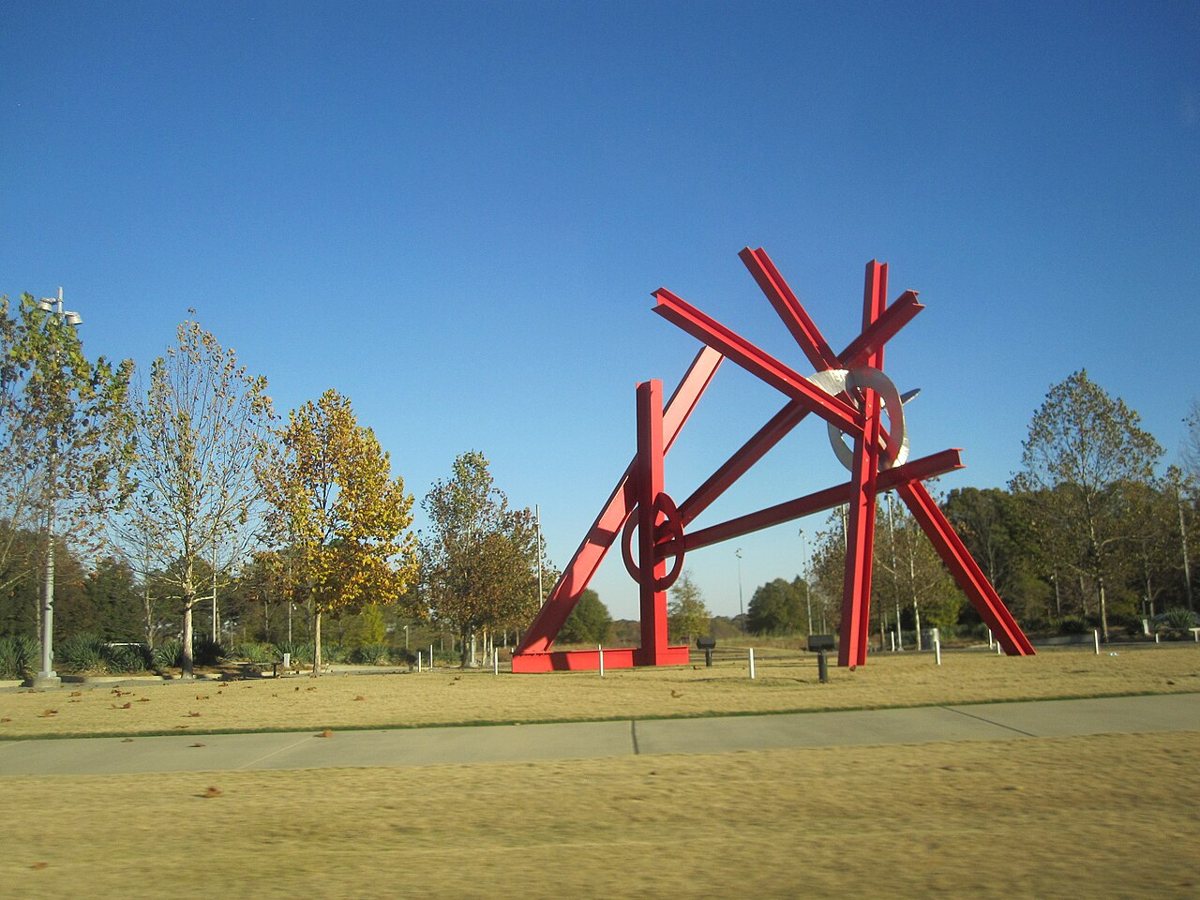

The park setting also pairs naturally with the city's green spaces. Anyone who enjoys wandering outdoors between cultural stops should look at a city park for more places to stretch out after a morning in the galleries.
Contemporary Art Museum Raleigh (CAM Raleigh)
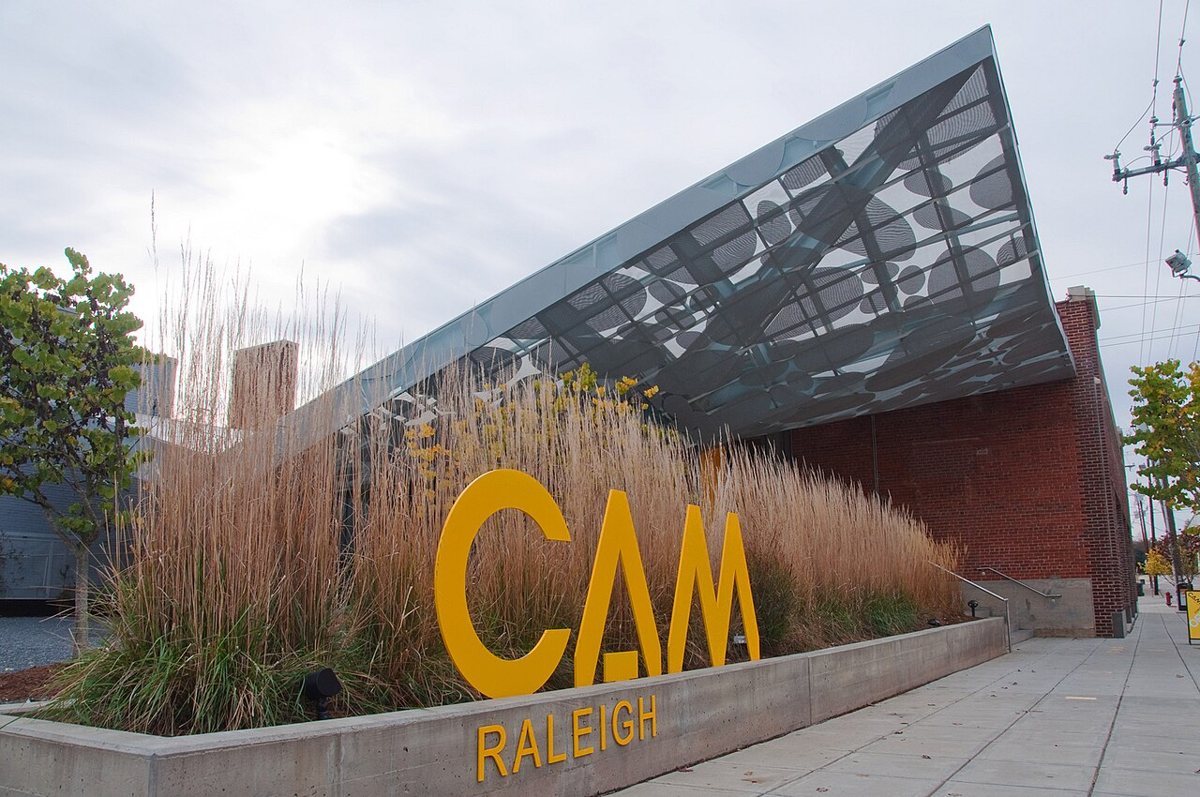
CAM Raleigh occupies a converted industrial space in the Warehouse District, and the building suits the work. Tall ceilings and big open floors let artists install large pieces that a traditional gallery would struggle to hold. CAM does not collect in the way that NCMA does; it mounts rotating exhibitions of living artists, many of them working in the region or the wider Southeast, and the programs change often enough that a return visit a few months later feels like a different museum.
That changing character is the draw. People who want to see what artists are making right now, rather than what has hung on the walls for decades, will find it here. The location makes it easy to combine with a walk through the Warehouse District's restaurants and bars, and with a ride or stroll to Union Station, a short distance away. CAM is best for contemporary art fans and students, and for anyone looking for a conversation starter after dinner.

Gregg Museum of Art and Design
The Gregg Museum belongs to North Carolina State University, and it carries the kind of eclectic energy that a teaching collection tends to have. Design is the thread running through everything, from textiles and ceramics to furniture and folk art, along with photography and an extensive range of objects that reflect how people in this region and beyond have made things by hand and by industry. The collection is broad on purpose, and exhibitions often pull unexpected pieces out of storage and set them side by side so that the connections become visible.
It is a good fit for people who find the idea of a single-subject museum limiting. A visit can run from a quilt to a modernist chair to a photograph without feeling forced, and the university setting means student work and research often shape what is on view. The Gregg sits on the main NC State campus, so a visit pairs well with a walk along Hillsborough Street or a detour through the nearby arboretum described later in this guide. Admission has usually been free, though it is worth confirming before you make the trip.

Science and Natural History Museums
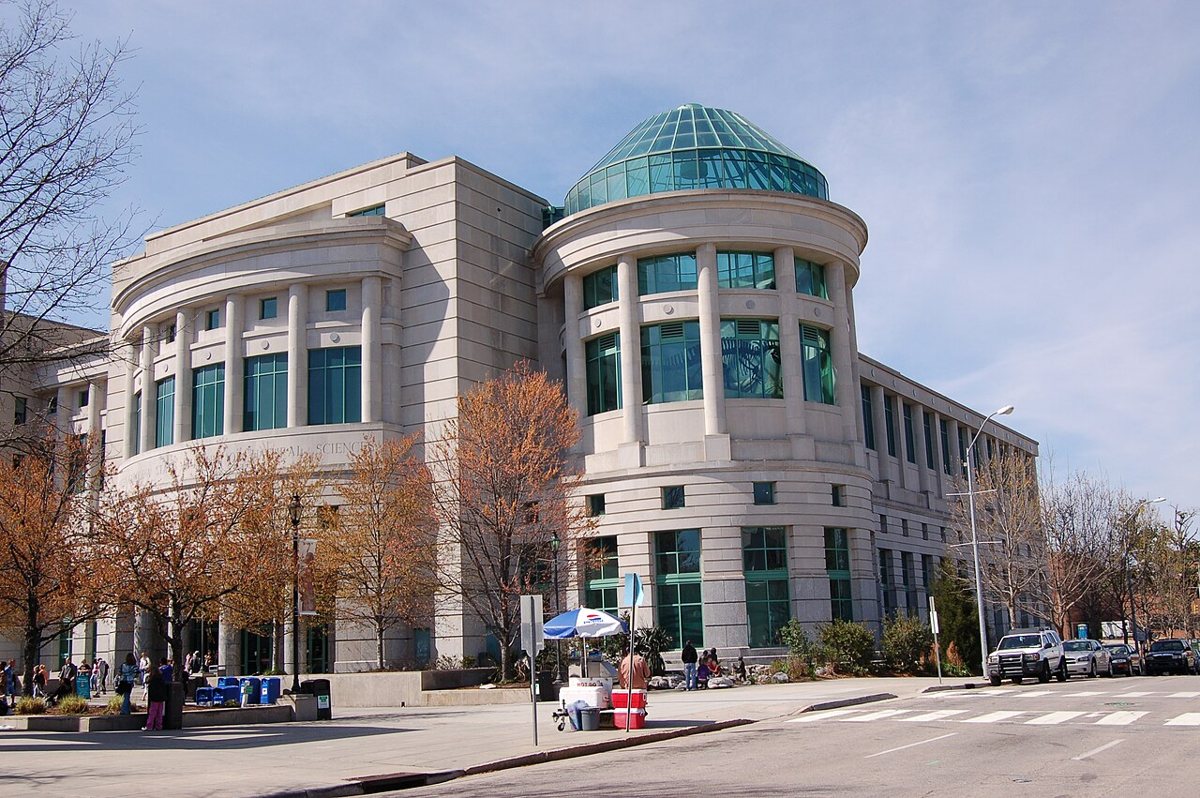
North Carolina Museum of Natural Sciences
Anchoring the free state museum cluster downtown, the Museum of Natural Sciences is the biggest draw for families and among the most visited museums in the state. Its two connected buildings divide the work. The original building covers the natural world of North Carolina and beyond, from the coast to the mountains, with detailed habitat exhibits, a large collection of mounted animals, and the dinosaur halls that kids head for first. The newer Nature Research Center behind it opens the lab doors so that visitors can watch scientists at work, which turns the museum from a place of finished displays into a place where research is happening in real time.
The dinosaur material is the headline. The museum is known for its Acrocanthosaurus skeleton, a predator that once roamed the region, and for the fossil pair known as the Dueling Dinosaurs, which attracted national attention when the specimens went on display. Beyond the fossils, the live animal exhibits and the insect and ocean galleries, along with the interactive science stations, keep younger visitors busy for hours. General admission has usually been free, with separate charges for special shows and theater experiences. This is the right choice for families with school-age kids and natural history fans, as well as anyone who wants a rainy-day plan that works.

Marbles Kids Museum
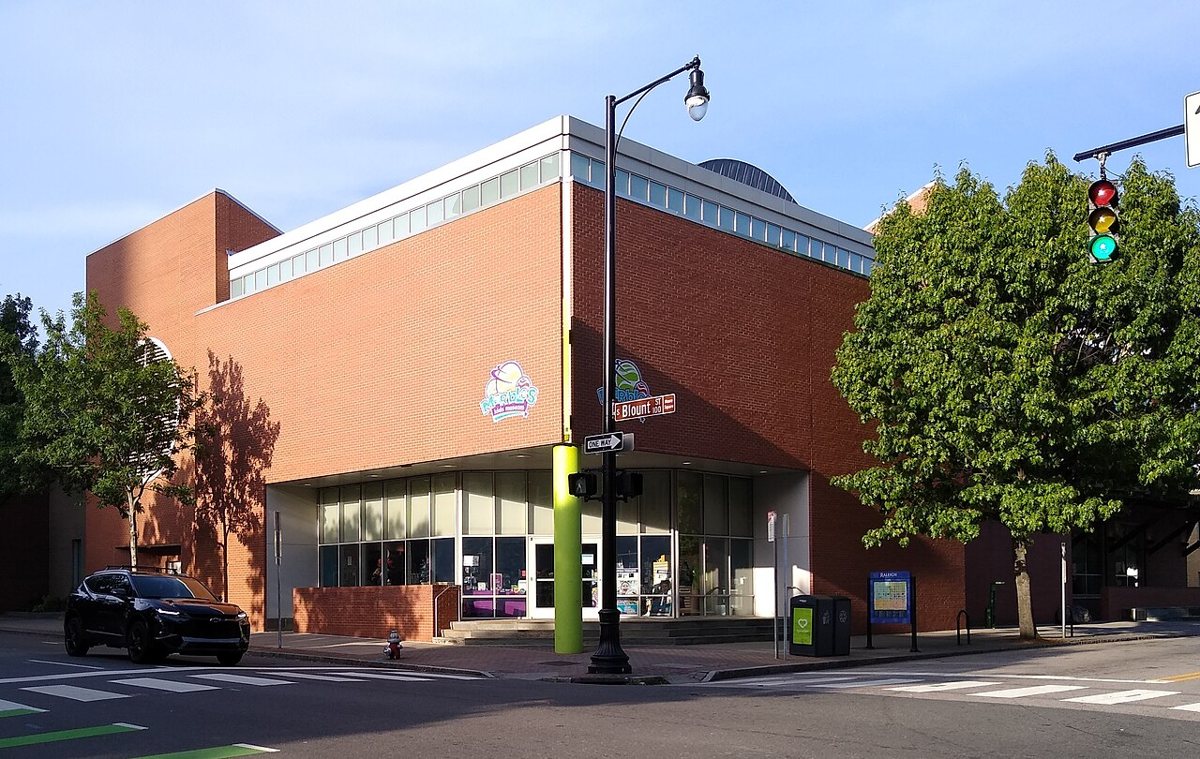
Marbles, near Moore Square on the eastern edge of downtown, is a different animal from the state museums. It is a hands-on children's museum built around play, and the exhibits are meant to be touched and climbed, splashed in and rearranged. Younger children can pretend to run a grocery store or move water through channels, or build something large from soft blocks, and the staff-led programs fill the day with activities for specific age groups. The adjoining IMAX theater adds a big-screen option for older kids and adults.
Marbles is aimed squarely at toddlers through early elementary-age children, and parents of that age group tend to know it by heart. Unlike the free state museums, it charges admission, and many local families buy memberships because they return so often. It is best for parents with young children who need a place to burn energy, on days when the weather rules out the playground. Visitors without kids may find that the rest of this list serves them better.

History Museums and Historic Sites
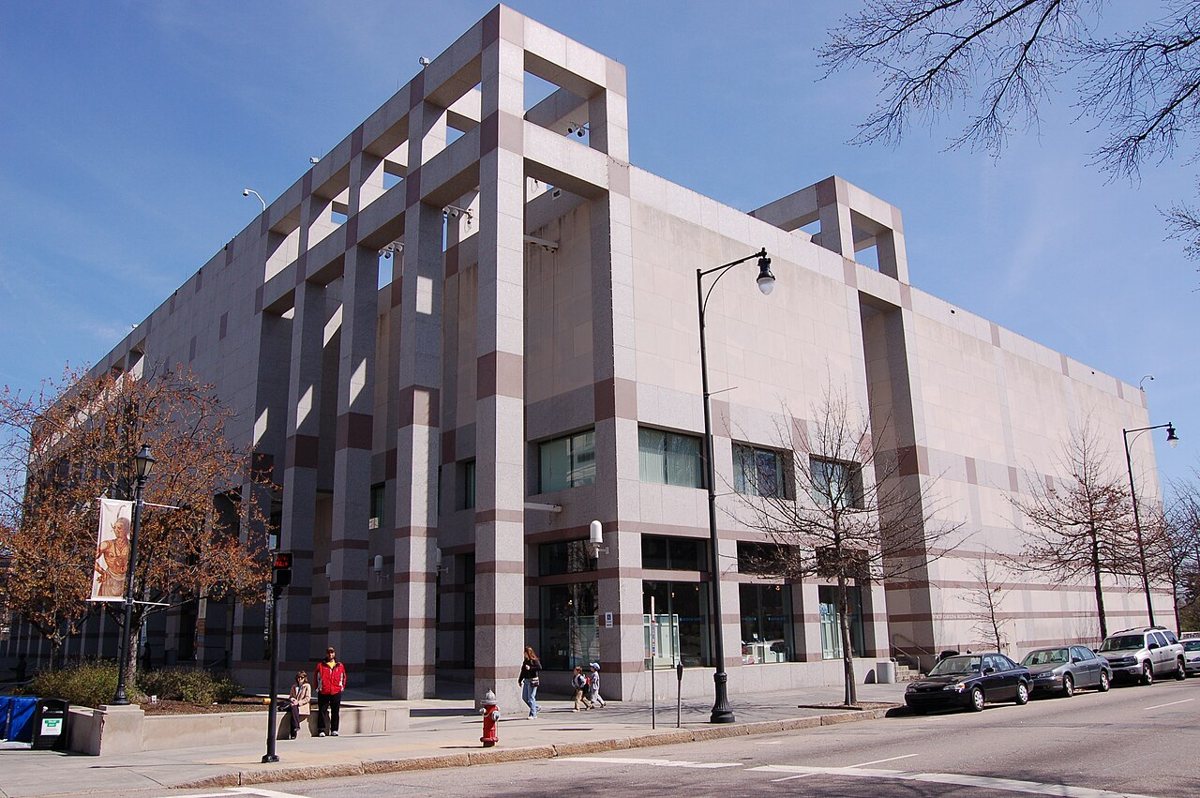
North Carolina Museum of History
A short walk from the Museum of Natural Sciences, the Museum of History tells the story of the state through objects, from early Native American cultures and colonial settlement to the Civil War era and the civil rights movement before arriving at the modern economy. The galleries tend to emphasize ordinary people alongside the famous names: farmers and mill workers, soldiers and musicians whose belongings and photographs show how life actually unfolded in different parts of North Carolina.
The museum's strength is range. A single visit can cover regional crafts and military history, sports and music, and the museum is good at connecting statewide events to local ones. Entry is usually free, which makes it easy to drop in for an hour rather than committing to a full day. The museum is best for history lovers and newcomers who want to understand the place they moved to, along with families with older children who are ready to move beyond hands-on exhibits.

City of Raleigh Museum (COR Museum)
For a closer look at the city itself, the COR Museum is the place. It occupies a historic building on Fayetteville Street and focuses on Raleigh's own story, including how a planned capital city, carved out of woodland in the late eighteenth century, grew into the Triangle's largest city. Exhibits tend to draw on neighborhood histories, local businesses and civic life, along with the people who built the community, giving residents a way to see their own streets in a longer context.
This is a smaller museum than the state-run institutions, and that is part of its charm. A visit takes far less time, and the subject matter is intimate. It suits longtime residents who want to see familiar landmarks in old photographs, as well as newcomers trying to make sense of how fast the city has changed. Because it sits right on the main downtown corridor, it works as a quick add-on to a walk between the Capitol and Moore Square. Admission has usually been free.


North Carolina State Capitol
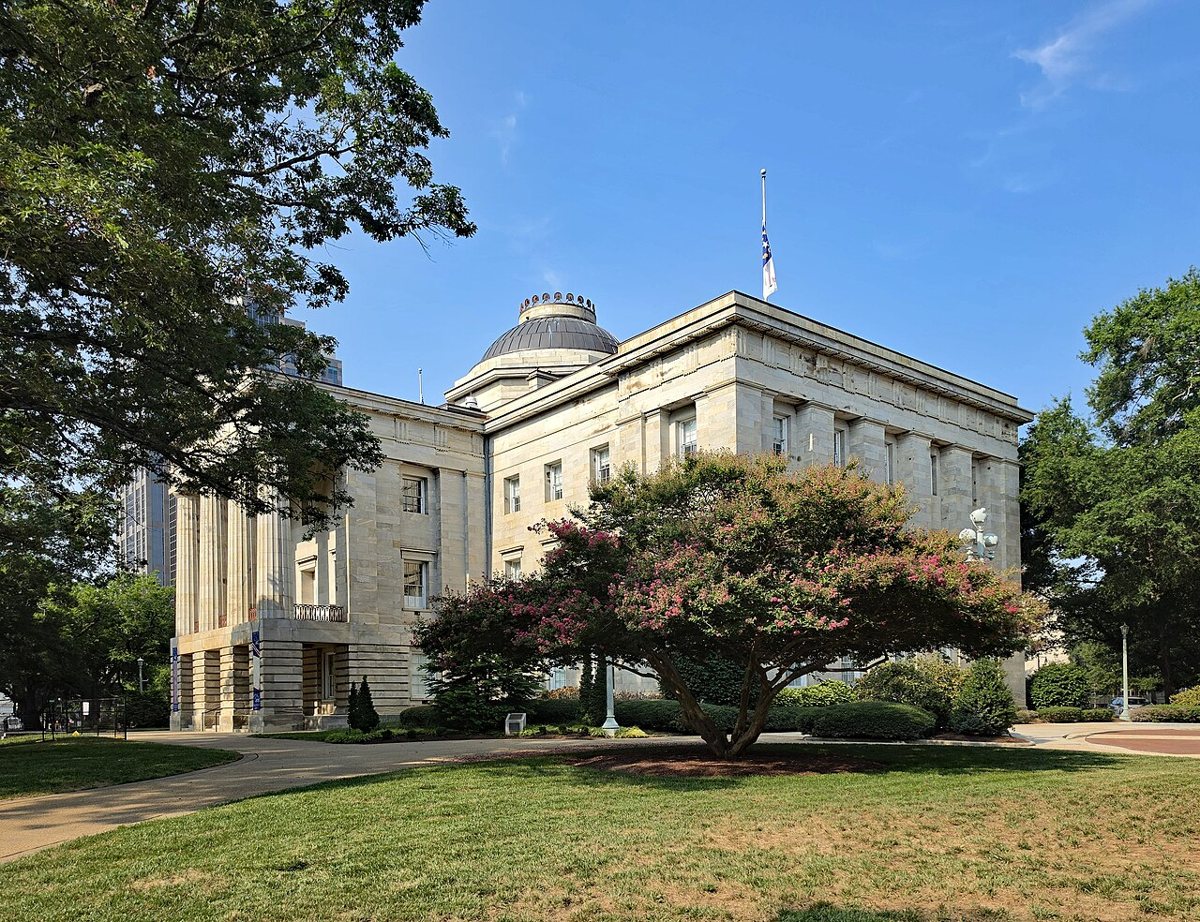
The State Capitol is a museum in everything but name. Completed in the mid-nineteenth century in the Greek Revival style, it anchors Union Square and the surrounding grounds, which are dotted with monuments and shaded by old oaks. The building served as the seat of government until the legislature moved next door, and today it is preserved as a historic site, with restored rooms that show how lawmakers worked in an earlier era.
The grounds alone are worth the stop. Locals use the lawns for lunch breaks, and the monuments offer a layered, sometimes contested record of the state's past. The interior is best for visitors interested in architecture and political history. Tours and access have varied over the years, so confirm what is available before you plan around it. The Capitol is also a useful orientation point: from its steps, the state museums are within an easy walk, as are Fayetteville Street and Moore Square.

North Carolina Executive Mansion
A few blocks north of the Capitol, the Executive Mansion stands on Blount Street, the home of the state's governors. The Queen Anne Victorian house, with its wide porches and ornate details, anchors a block of the Oakwood and Blount Street historic area, and walking the neighborhood around it gives a sense of how the city looked in the late nineteenth century. Visits to the interior have been limited and arranged through the state, so treat this as an exterior walk-by unless an official tour is on offer.
It rewards architecture fans and people who like old houses. A slow loop through the surrounding streets, with their restored homes and mature trees, is a pleasant free activity downtown. Adding Oakwood Cemetery and the neighborhood's porches makes a pleasant hour even without going inside anything.
Pope House Museum
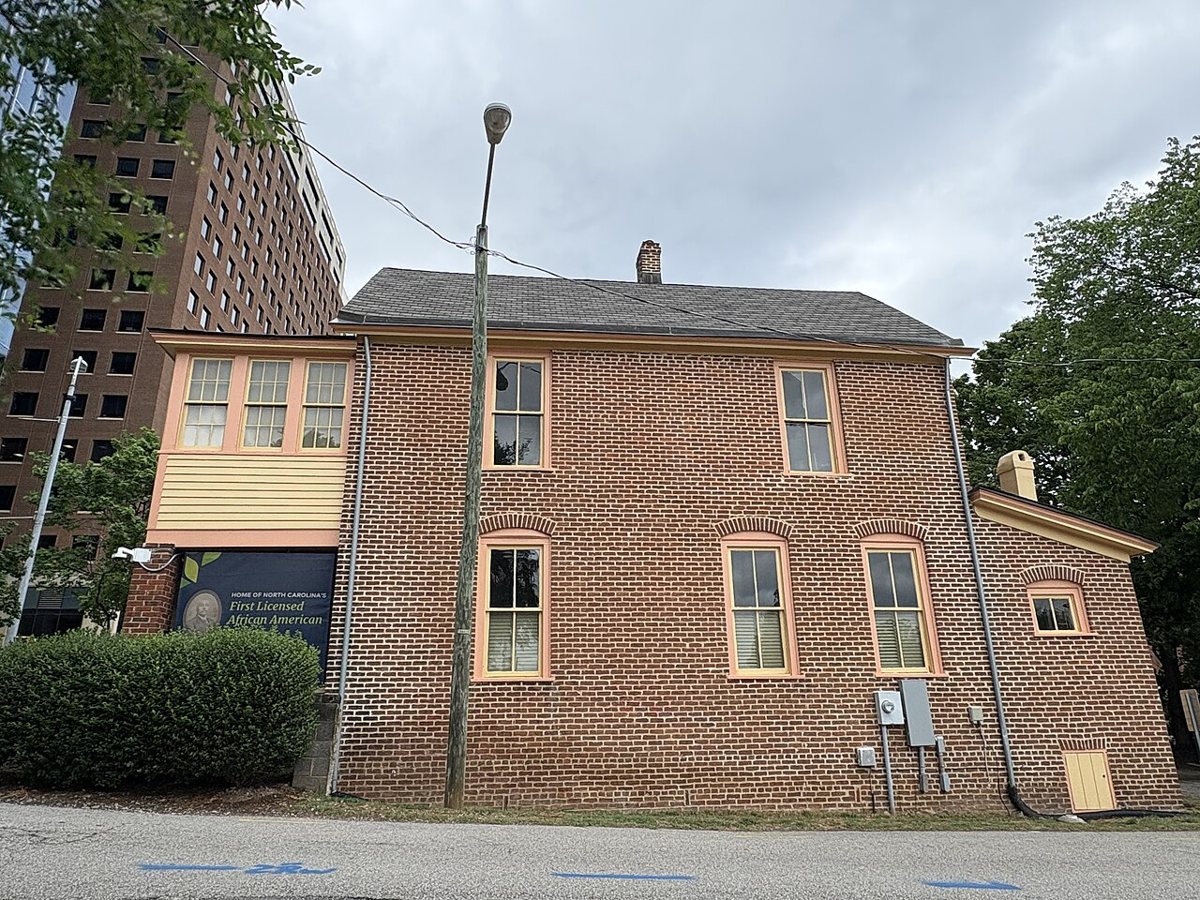
The Pope House Museum preserves the Victorian home of Dr. Manassa Pope, a Black physician and civic leader in early twentieth-century Raleigh. Its significance goes beyond a single family: the house is one of the few surviving examples of a prominent Black household in the city from that era, and the interpretation focuses on the lives of Black professionals who built institutions during the Jim Crow period. Guides walk visitors through the rooms and explain how the family lived and worked, and how they organized.
This is a small, tour-based stop, and the personal scale is the point. It is the best choice for visitors who want a human-sized history rather than a gallery full of artifacts, and it complements the broader narrative at the Museum of History well. Hours and tour availability are limited, so confirming ahead of time is more important here than at any other stop on the list.

A Cultural Garden for a Slow Afternoon
J.C. Raulston Arboretum
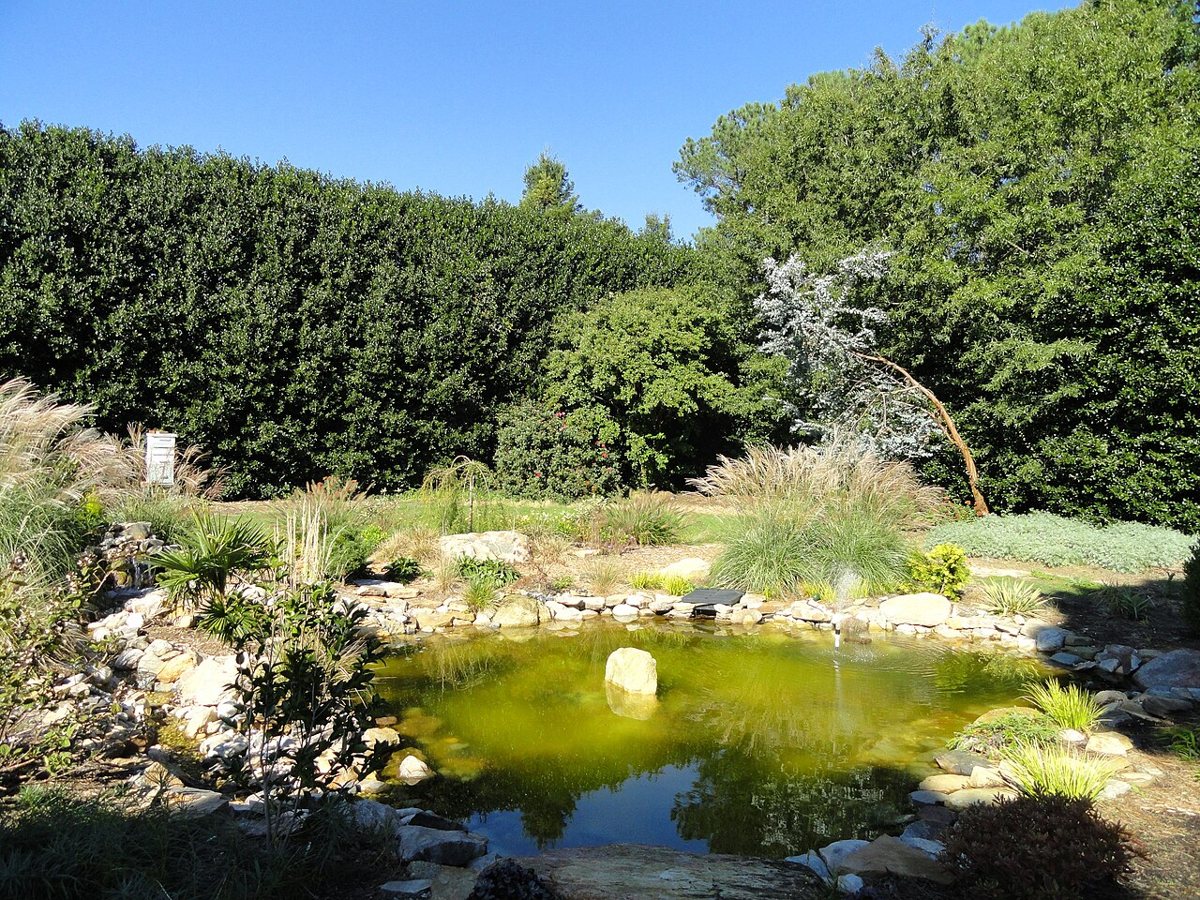
Strictly speaking, the arboretum is a garden rather than a museum, but it behaves like one. NC State runs it as a living collection of plants from around the world, arranged in themed gardens and labeled for study, and it draws horticulture students and home gardeners as well as photographers, in roughly equal numbers. The collection changes with the seasons, so a spring visit and an autumn visit offer entirely different experiences.
It works well when paired with the Gregg Museum, since both sit on the NC State side of town. Admission has usually been free to the public, and the gardens are open daily for strolling. Locals tend to treat it as a place to decompress rather than a destination to check off a list, and that low-pressure feel is why it belongs on a museum guide. It suits plant lovers and couples looking for a quiet date, as well as anyone who has already spent the morning inside.

Planning Your Museum Days
Parking and Getting Around Downtown
Downtown Raleigh has a mix of metered street parking and public decks, and the state museums sit close enough to one another that parking once is usually enough. Many visitors leave the car in a deck near the Capitol and walk to the Museum of Natural Sciences and the Museum of History, then on to the COR Museum. Weekdays during the legislative session can be busier near the Capitol, so arriving early helps. Rates and hours for decks and meters change, so check the city's current information rather than relying on a guess.
NCMA sits outside the downtown core, as do the Gregg Museum and the arboretum, and all three are easiest to reach by car, though bus routes and rideshare services connect them as well. NCMA has its own on-site parking, which makes it the easiest stop of all for drivers.
Combining Several Museums in One Day
The easiest full day starts at the Museum of Natural Sciences, since families and early risers benefit from the morning crowds being manageable. From there, walk to the Museum of History for a quieter hour, then cross to the Capitol grounds for a picnic lunch. After lunch, stroll down Fayetteville Street to the COR Museum, and finish with a walk to Moore Square or Marbles if children are in tow. Everything on that route is walkable, and most of it is free.
A second day can cover the art side of the city. Begin at CAM Raleigh in the Warehouse District, then drive to NCMA in the afternoon for the permanent collection and a long walk through the park. A third option focuses on the NC State campus: the Gregg Museum in the morning and the arboretum after lunch, with a bite on Hillsborough Street in between. Anyone building a longer itinerary can find more ideas in our guide to the more to do in town.
Matching the Museum to the Visitor
- Families with young children: Marbles Kids Museum and the Museum of Natural Sciences
- Art lovers: NCMA first, with CAM Raleigh for contemporary work
- History readers: the Museum of History and COR Museum, plus Pope House Museum
- Design and craft fans: the Gregg Museum
- Quiet afternoons: the Capitol grounds and the Executive Mansion block, plus the arboretum
Beyond Raleigh: Durham and Chapel Hill
The Triangle does not stop at the city limits, and a few institutions just outside Raleigh deserve a mention for anyone willing to drive. These are not Raleigh museums, and they are worth treating as a separate outing rather than a quick add-on.
In Durham, the Nasher Museum of Art at Duke University holds a strong collection spanning ancient works and European art alongside African art and contemporary pieces, and it mounts exhibitions that regularly draw visitors from across the region. Also in Durham, the North Carolina Museum of Life and Science is a favorite with families, combining indoor science exhibits with a large outdoor campus that includes animal habitats and a small train. In Chapel Hill, the Ackland Art Museum at UNC adds another serious university collection to the mix. All three are roughly a half-hour drive or less from downtown Raleigh in normal traffic, and each rewards a half-day trip.
Treating the Triangle as one cultural region makes sense. Residents move between Raleigh and Durham, and on to Chapel Hill, without a second thought, and the museums reflect that overlap, with each campus and city offering a different angle on art and science. A weekend that splits the days between a Raleigh anchor and a Durham one gives a fuller picture than either city alone.
The Real Takeaway
The best museums in Raleigh work because they are easy to reach and easy to combine. A visitor does not need a ticketed itinerary or a big budget to spend a full day among world-class dinosaur fossils and regional history alongside a deep art collection, since much of it is free and much of it sits within a few downtown blocks. The smaller stops, from the Pope House to the COR Museum, add depth that the larger ones cannot, and the sculpture park at NCMA gives the whole list a place to breathe.
Start with the state museums if the day is short and head to NCMA if the afternoon is long, then keep Durham and Chapel Hill in reserve for the next weekend. Check each website for current hours and exhibitions before heading out, and wear comfortable shoes with room in the schedule for the unplanned detour. The city has changed quickly, yet the museums remain the places where the past and the present sit in the same room.