Best Day Trips From Raleigh You Shouldn't Miss
Twelve real reasons to leave the Beltline behind, from riverside towns you can be back from by dinner to a coastline and a mountain range that make the whole drive worth it once in a while.
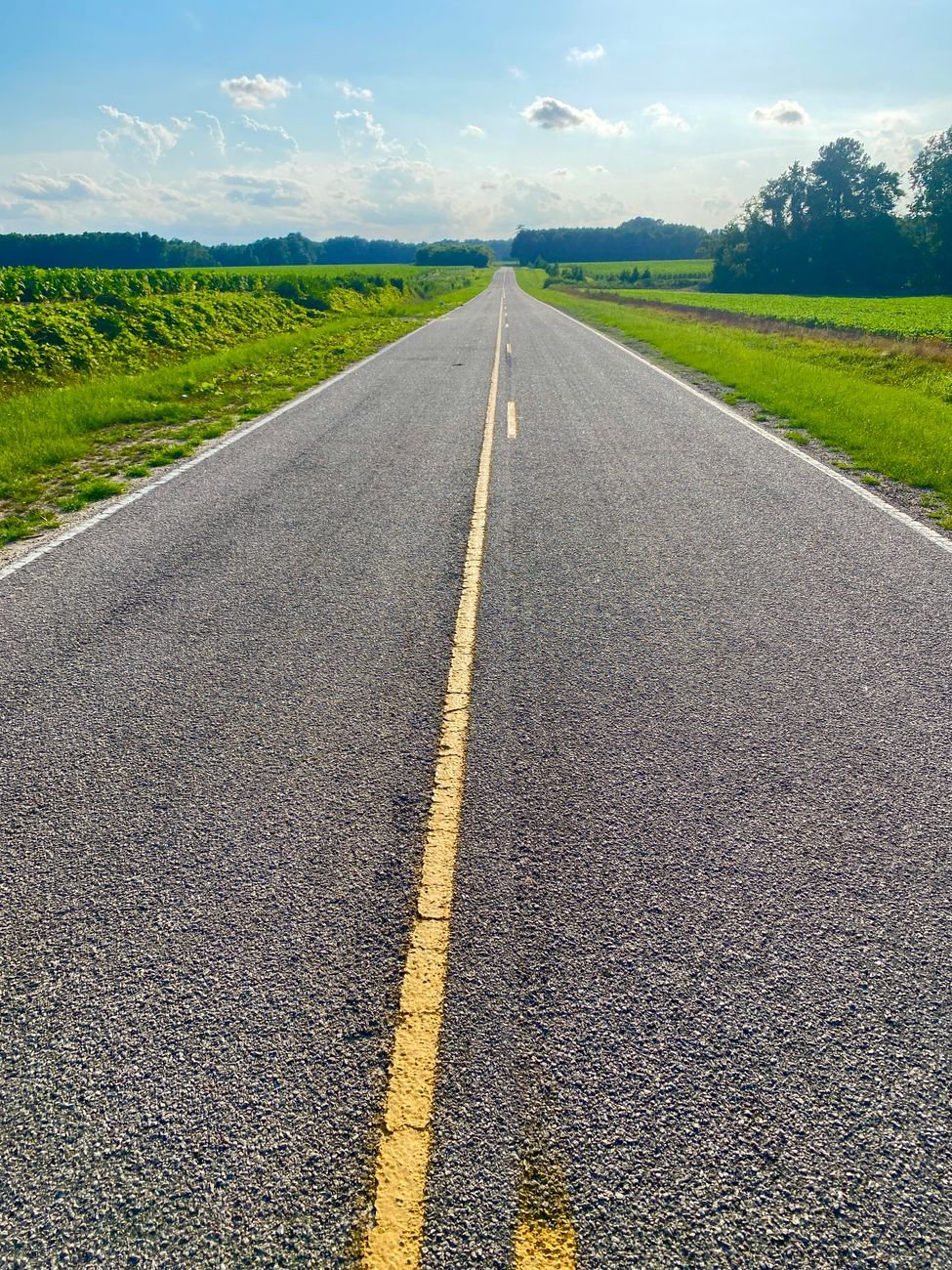
On a Tuesday morning in late September, I filled a thermos, grabbed a road atlas I never actually use, and left my apartment near Five Points before the RDU-bound rideshare drivers had even started filling up the Beltline. That is the real appeal of living here: you can be gone by nine and back in time for a beer at your regular spot without explaining where you went. Ask ten people at a downtown dinner party for the best day trips from Raleigh and you will get ten different maps, because the answer depends on what you are leaving behind that day. Some days call for another city entirely, Durham's warehouses or Chapel Hill's brick sidewalks. Other days call for a river, a lake, a stretch of dune grass, or a fairway. The Triangle sits close enough to both the mountains and the coast that either is reachable in a single long day, if not always a relaxed one. What follows is not a highlight reel. It is the actual working list, organized roughly by how far you are willing to drive and how much of a Saturday you are willing to give up for it, from the towns practically next door to the ones that eat most of a tank of gas.
The Best Day Trips From Raleigh Close to Home
Durham and Chapel Hill sit close enough to Raleigh that some longtime residents barely count them as day trips, more like different neighborhoods of the same sprawling idea. That undersells both of them. Each has its own weather, in the metaphorical sense, distinct from Raleigh's state-government hum and its Research Triangle Park polish. Durham runs on old tobacco warehouses turned into breweries and biotech offices, a downtown that renovated itself without fully sanding off its rough edges. Spend a few hours walking the American Tobacco district, then wander into one of the restaurants that made Durham a food-writer favorite years before anyone outside the state paid attention. Drive time from central Raleigh runs about 30 minutes on a clear day, closer to 45 during rush hour on I-40. The smart move is to park once, near Brightleaf Square or downtown proper, and walk everything rather than fighting for a second spot later.
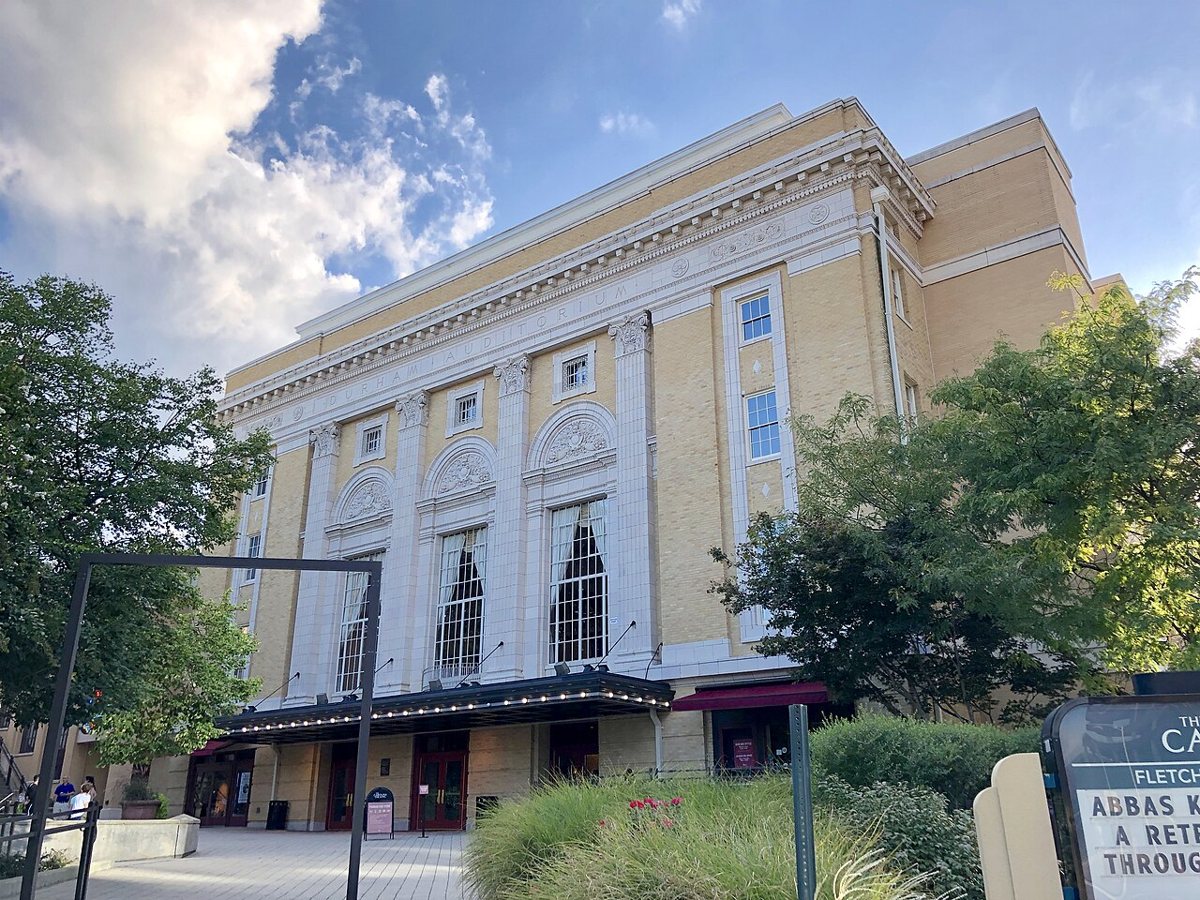

Chapel Hill asks for a different kind of afternoon. This is a university town built around a public university old enough to have graduated ambassadors and Supreme Court justices, and Franklin Street still carries the particular energy of a place where a bookstore, a barbershop, and a basketball shrine coexist on the same block. Walk the quad, duck into the Ackland Art Museum, then find your way to Carrboro next door, which has spent two decades quietly becoming the more interesting half of the pair, with its farmers market and its independent venues. The drive from Raleigh is about 30 to 40 minutes depending on where you start and whether you catch 15-501 at a bad hour. Go on a weekday if you can manage it. Weekend football and basketball Saturdays turn the whole town into a parking negotiation nobody wins.
Hillsborough rewards people who like their history unpolished. This is the town that was nearly the state capital before Raleigh won the argument, and its downtown still looks the part, a walkable grid of eighteenth and nineteenth century buildings, a courthouse on a hill, and the Eno River running along the edge of it all. Writers have quietly colonized Hillsborough for decades, drawn by something about the light or the pace or the property taxes, and the town has a disproportionate number of independent bookstores and small presses for its size. Plan on roughly 30 to 35 minutes from Raleigh, mostly on I-40 and then a short stretch of surface roads. The smart move is to time your visit around a stop at one of the riverside parks rather than treating the historic district as the whole trip. The two pair well and neither takes long on its own.
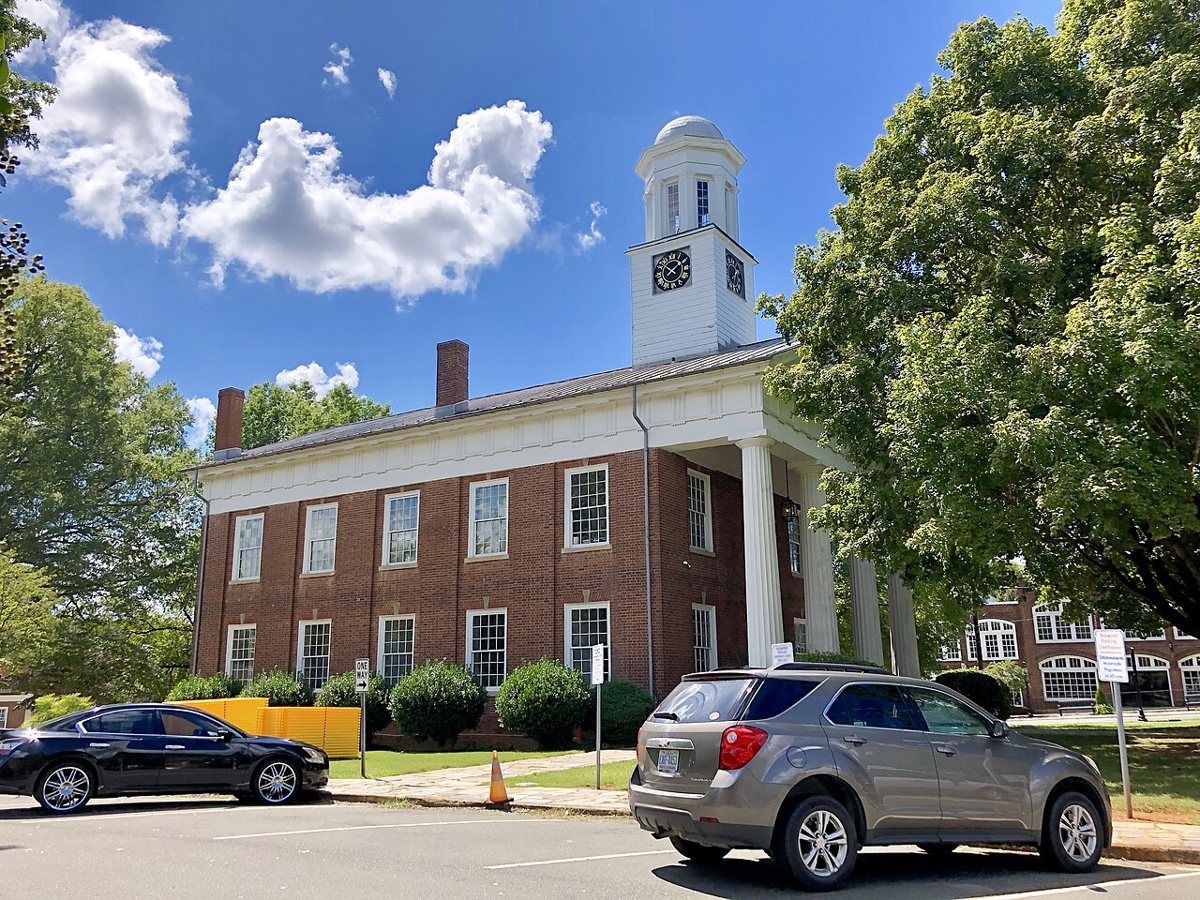

Eno River State Park sits just outside Hillsborough and gives the whole area its geographic logic. The river cuts through granite outcrops and old millrace channels, and the trail network along it ranges from flat riverside strolls to steeper climbs up to rocky overlooks. It is where Triangle residents go to remember that the Piedmont has actual topography, not just office parks and roundabouts. Bring water shoes if you want to wade in the shallows during warm months, and expect the parking areas to fill early on nice weekends. From Raleigh it runs about 40 minutes, similar timing to Hillsborough since the two share the same stretch of road. Weekday mornings are the move if solitude on the trail matters to you more than convenience.
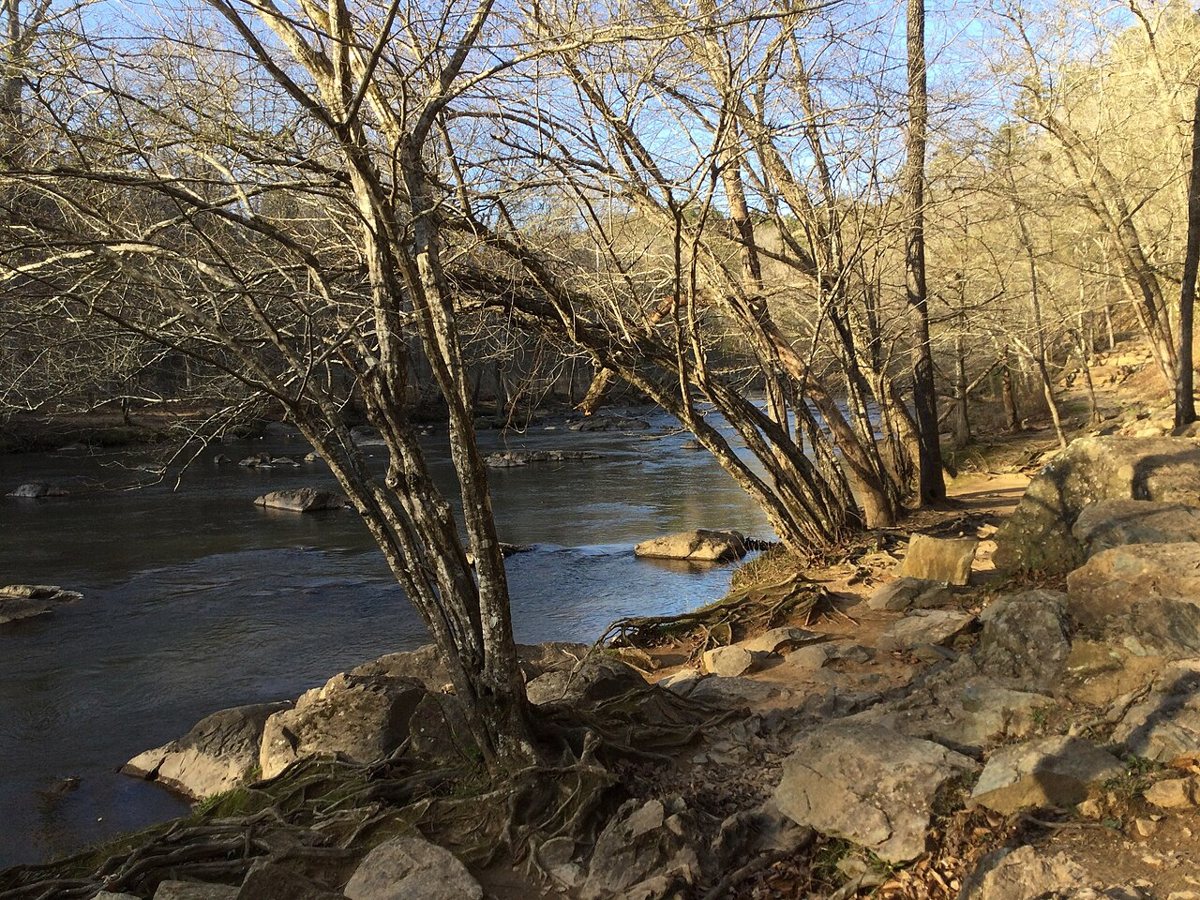

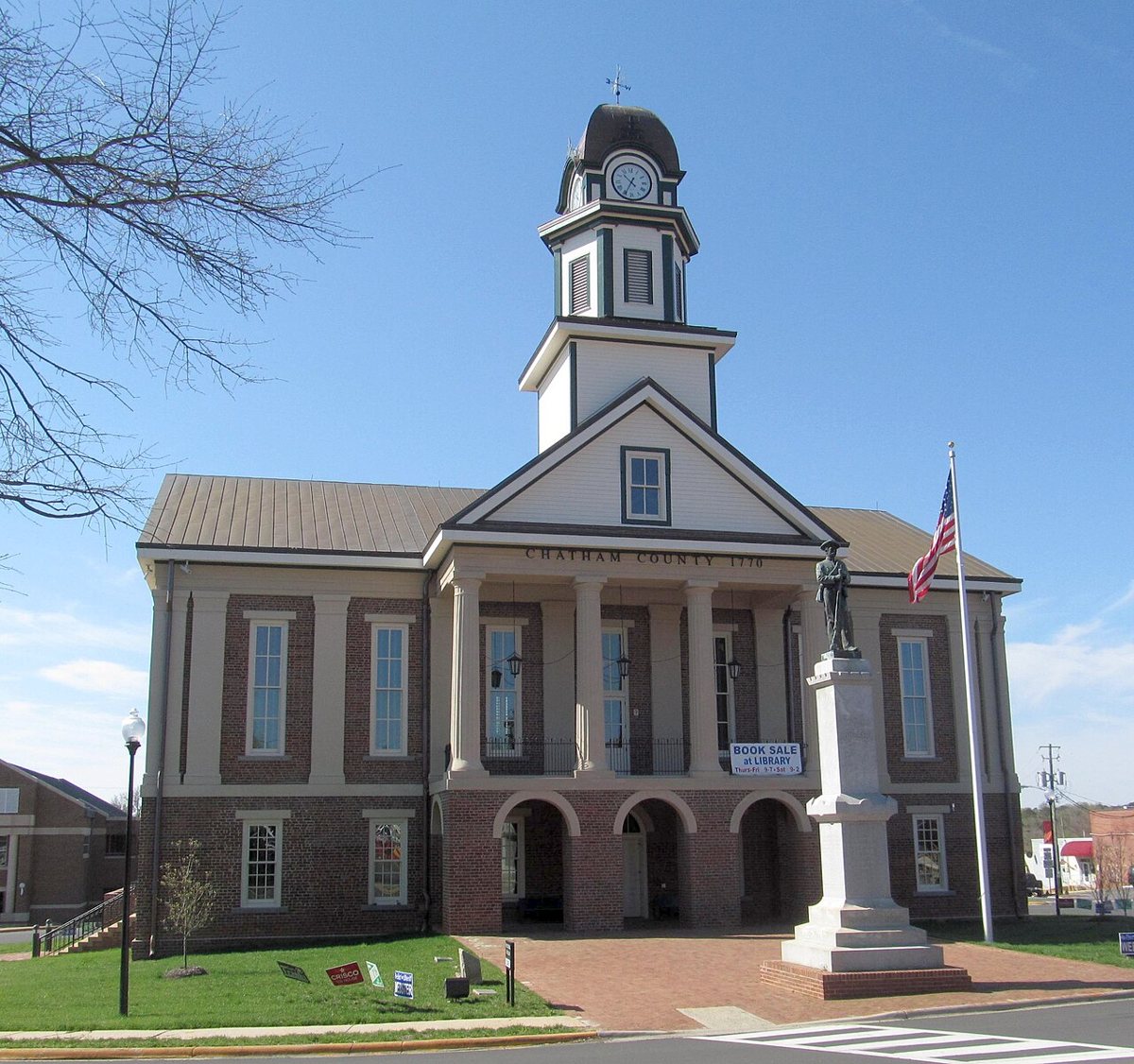
Pittsboro, southwest of Chapel Hill, has become the town Triangle transplants discover a few years in and then can't stop recommending to everyone else. The courthouse circle at its center, rebuilt after a fire some years back, anchors a small but genuinely good cluster of restaurants and shops, and the surrounding countryside has quietly filled in with wineries and farm breweries over the past decade. It is also the gateway to a growing patch of land trust preserves that give this corner of Chatham County a slower, greener feel than almost anywhere else within an hour of the capital. The drive takes about 45 minutes from Raleigh, longer if you get stuck behind farm equipment on the two-lane stretches, which happens more often than you would think and is honestly part of the charm out there. Aim for a Saturday when the farmers market is running if the calendar allows it.

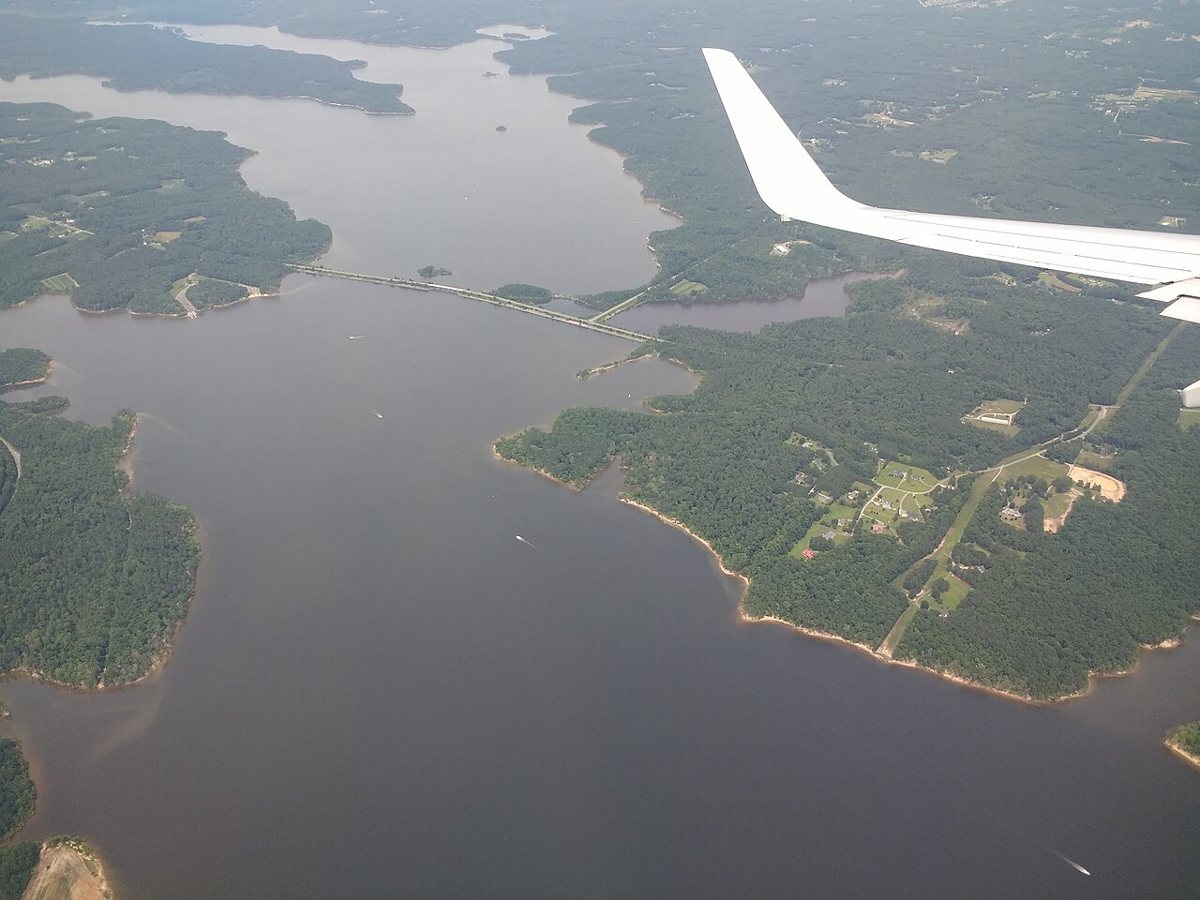
Jordan Lake spreads out between Chapel Hill, Pittsboro, and Apex, and it functions as the Triangle's default answer to needing to do something outside without planning too hard. The lake is a reservoir, not a natural lake, but nobody out on the water in a kayak seems to mind that detail. Bald eagles winter here in real numbers, enough that birders build entire outings around it, and the swimming beaches and boat ramps fill fast once the weather turns warm in spring. Drive time from Raleigh is around 30 to 45 minutes depending which access point you pick, and that choice matters more than people expect, since the lake's access points are spread across three counties and do not connect to each other by road in any direct way. Check which side you want before you leave rather than after you arrive at the wrong one.

William B. Umstead State Park barely counts as a drive at all, wedged as it is between Raleigh, Cary, and RDU, but it deserves a mention precisely because so few visitors realize thousands of acres of old pine forest and three small lakes sit inside the city's own boundaries. Locals use it for a lunchtime trail run more than a proper day trip, but a slower morning here, paddling one of the lakes or walking the longer loop trails toward the Reedy Creek side, works as a genuine half-day escape when a full trip out of town is not in the cards. It takes fifteen to twenty minutes from most points in Raleigh, no real planning required.
Golf Country, Wine Country, and the Piedmont Triad
Pinehurst and Southern Pines sit in the Sandhills, a stretch of sandy soil and longleaf pine that feels geologically different from the red clay around Raleigh, and it is, a relic of when this part of the state sat closer to an ancient shoreline. Pinehurst built its identity on golf a century ago and never let go of it, with a village center that still looks like a New England resort town got transplanted into pine forest by accident. You do not have to play a round to enjoy a wander through the village, a stop at the Tufts Archives, or a meal at one of the low-key restaurants that cater to golfers and locals in roughly equal measure. Southern Pines next door has a more workaday charm and a genuinely good downtown for browsing antique shops on a slow afternoon. Figure on about 75 minutes to two hours from Raleigh depending on traffic through Sanford. Spring and fall are the seasons locals actually recommend, since summer humidity and winter tournament crowds both bring their own drawbacks.
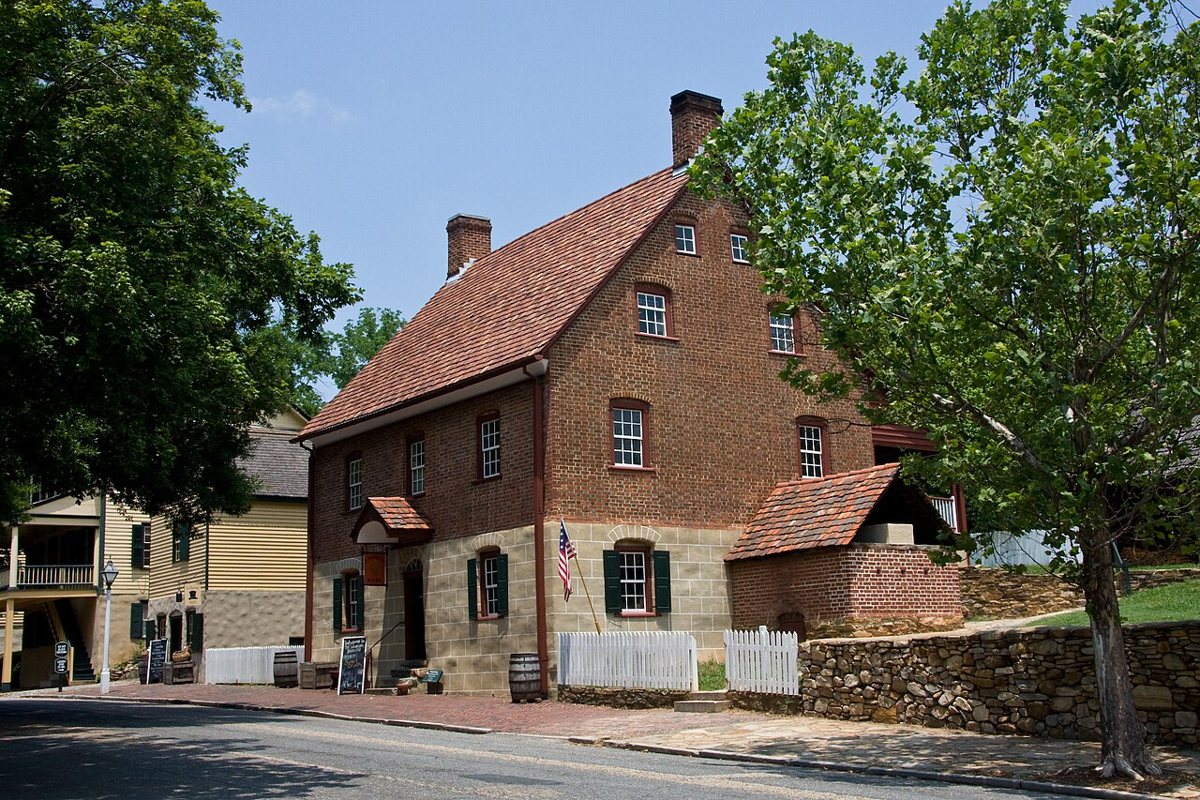
Winston-Salem earns its day trip status almost entirely on the strength of Old Salem, the restored Moravian settlement that predates the Revolutionary War and still functions as a living history site with costumed interpreters, working bakeries, and gardens planted the way the original settlers would have planted them centuries ago. The rest of downtown Winston-Salem has its own draw, an arts district built into old tobacco and textile buildings that gives the city a grittier, more industrial feel than either Raleigh or Durham manages. Reynolda House, the old Reynolds family estate turned museum, is worth the extra half hour if the day allows it. The drive from Raleigh runs close to two hours on I-40, longer if you catch Greensboro traffic at the wrong time, which makes this more of a full-day commitment than a quick jaunt out and back. Go on a weekday if the Old Salem crowds matter to you, since school field trips fill the site on spring weekday mornings in ways that can actually work in your favor for parking, since the tour buses cluster together and clear out by early afternoon.

East to the Water
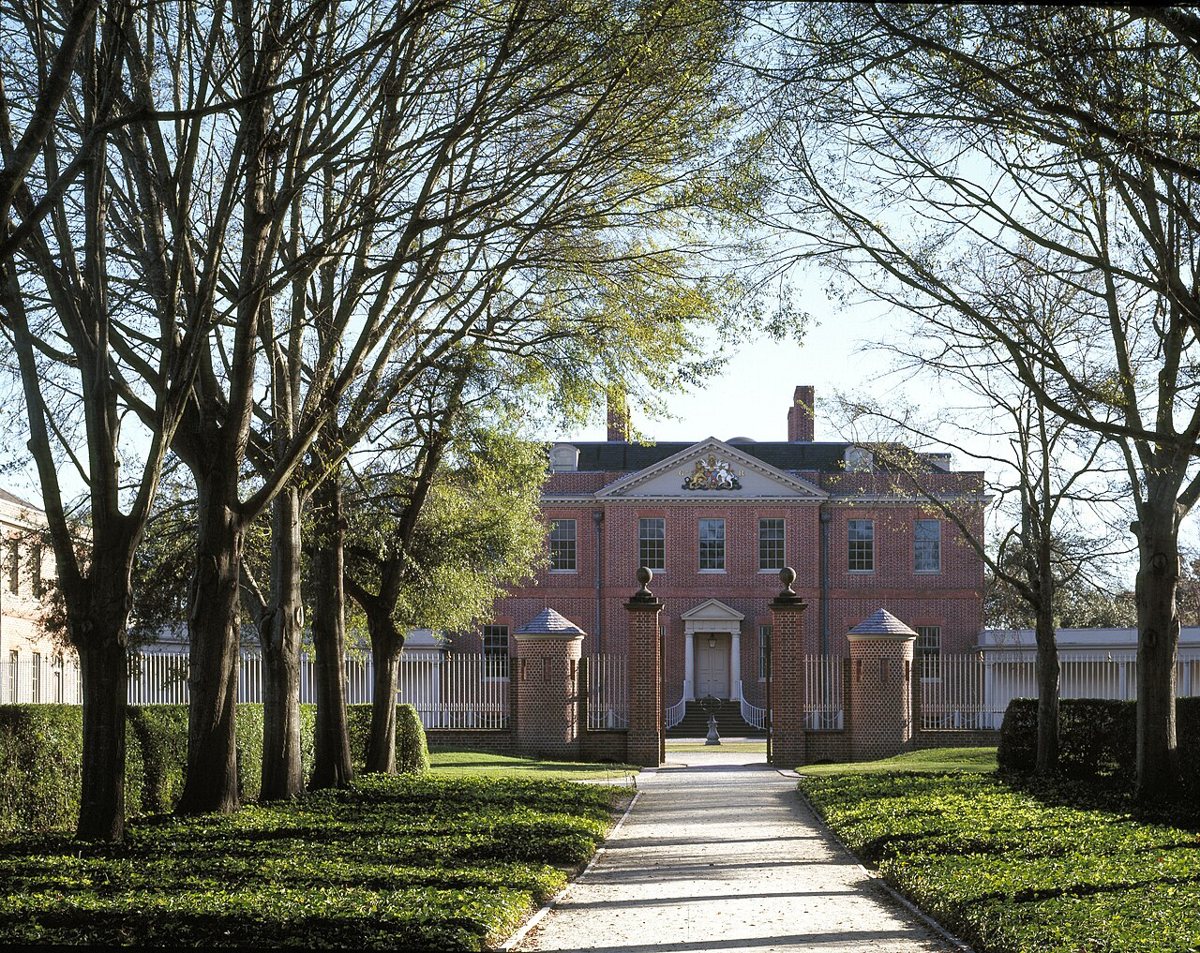
New Bern sits where the Trent and Neuse rivers meet, and it carries the distinction of having been North Carolina's colonial capital, a fact the town leans into hard at Tryon Palace, the reconstructed royal governor's residence and gardens that anchor the historic district. The town itself predates the palace by decades, founded by Swiss and German settlers, and its downtown streets are lined with well-kept homes from multiple centuries stacked against each other in a way that rewards slow walking rather than a checklist visit. New Bern also happens to be the birthplace of Pepsi, a fact locals will mention whether you ask or not. The drive from Raleigh takes roughly two hours on Highway 70, a road that has been getting steadily upgraded but still narrows to two lanes in stretches out past Goldsboro. Pair a stop here with a plate of eastern NC barbecue somewhere along Highway 70 if the appetite allows, since this corridor runs straight through the heart of vinegar-sauce country.

Historic Bath, further east and considerably smaller, is the kind of place that rewards people who already know they want quiet over spectacle. It holds the distinction of being North Carolina's oldest incorporated town, a waterfront settlement with ties to Blackbeard the pirate that never grew into a city and, frankly, seems fine with that outcome. There is no crowd to fight here, just a handful of historic buildings, a visitor center, and views out over the Pamlico River that feel unchanged from a much earlier version of the state. It is a real commitment, close to two and a half hours from Raleigh each way, which makes it a trip for people who want the drive itself to be part of the day rather than an obstacle standing in front of it. Go with low expectations of crowds and high expectations of stillness along the water.
Wilmington and Wrightsville Beach give Raleigh residents their most reliable ocean fix without committing to the Outer Banks. Wilmington's downtown riverwalk along the Cape Fear River has a genuine film-industry pedigree, having hosted productions for decades, and its historic district holds one of the largest collections of well-preserved antebellum architecture in the South. Wrightsville Beach sits just fifteen minutes east of downtown, a barrier island with a laid-back surf town feel that avoids the high-rise density of some other North Carolina beaches further south. Combine the two into a single long day, historic streets in the morning, sand in the afternoon, and the range of what this stretch of coast offers is more or less covered. The drive from Raleigh runs about two and a half hours down I-40, which turns into a genuine bottleneck on summer Fridays and Sundays as everyone in the Triangle seems to have the same idea at once. Leave before seven in the morning during beach season or accept that part of the day trip will happen sitting in traffic near Wallace.
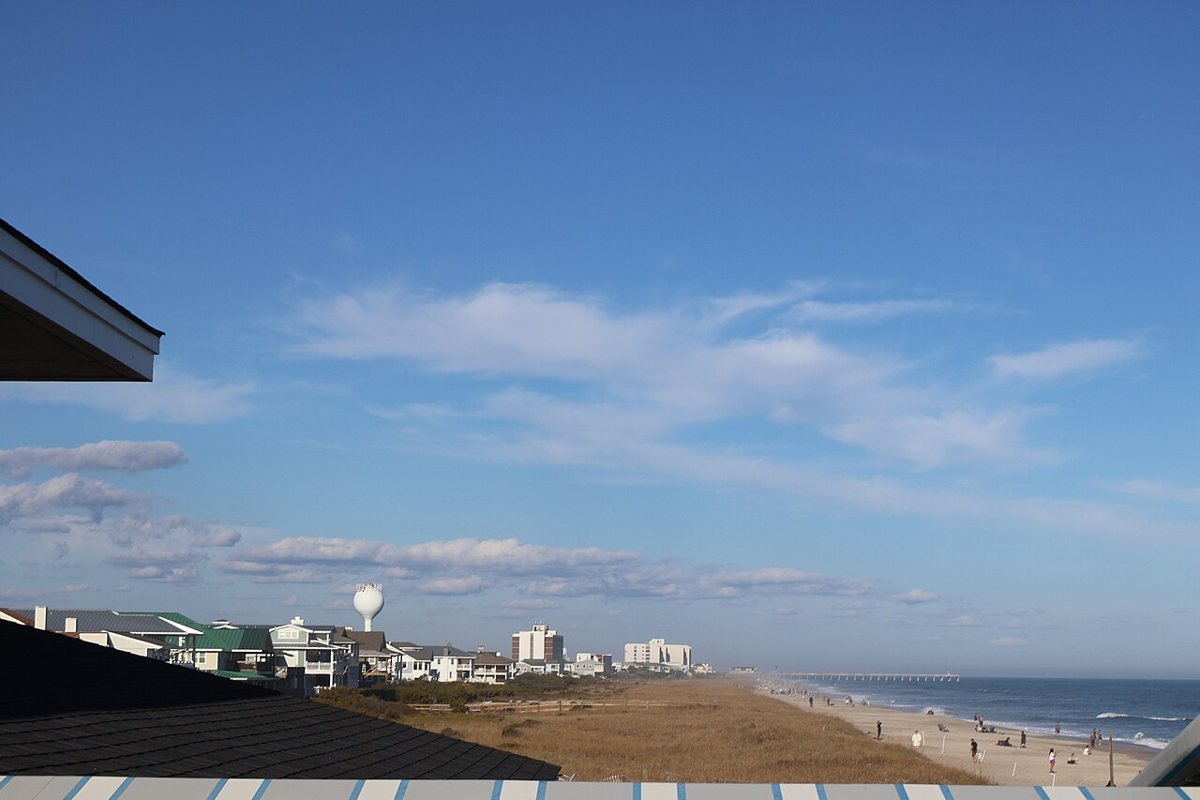

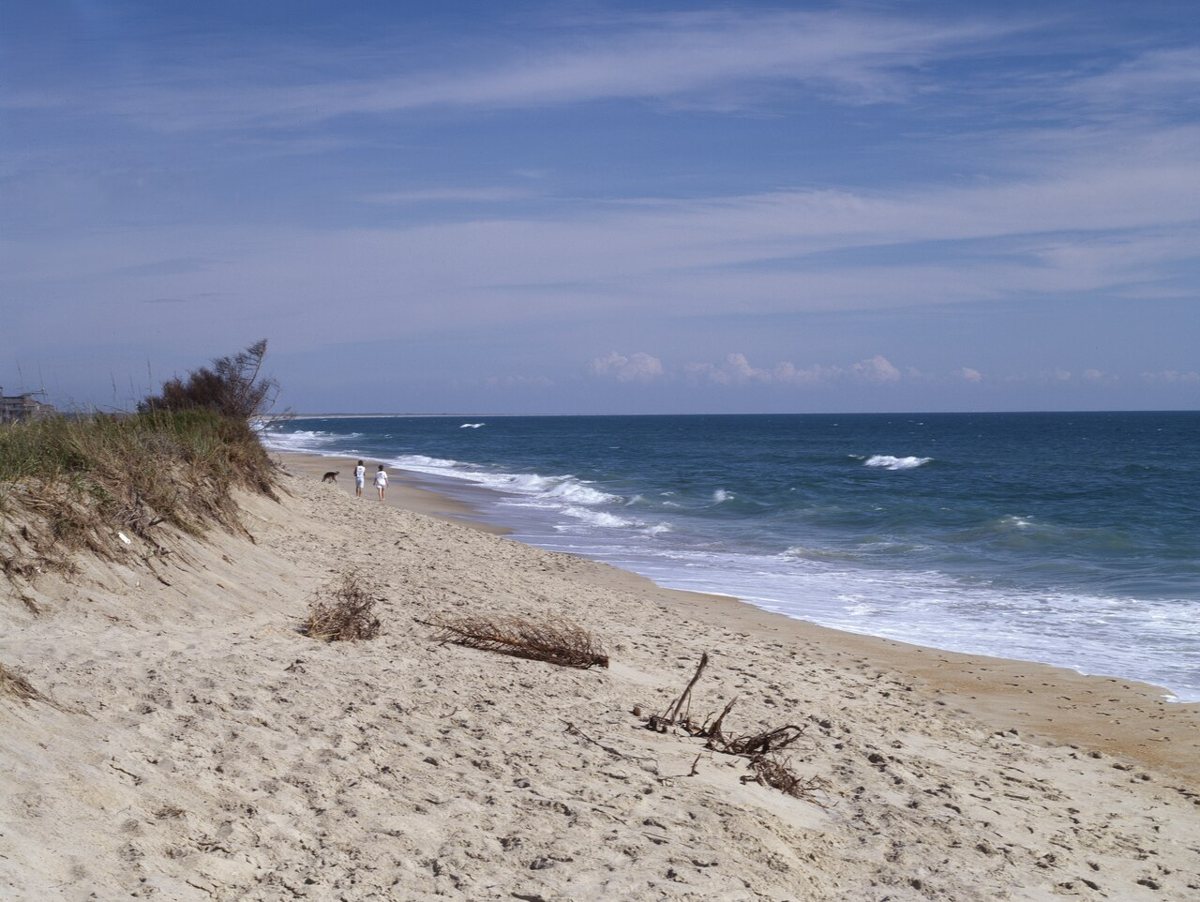
The Outer Banks are, by any honest measure, a stretch for a single day trip, and worth naming as exactly that. The barrier islands run for more than a hundred miles, and even the closest points, around Nags Head and Kill Devil Hills, sit roughly three and a half to four hours from Raleigh depending on which route through the coastal plain gets picked. People do make the round trip in a day, usually to see the Wright Brothers National Memorial or to stand at the base of Jockey's Ridge, the enormous sand dune that draws hang gliders and sunset watchers in equal number, but most locals treat this as a trip that deserves at least one overnight stay. If a single day is all the calendar allows, pick one destination rather than trying to string together a lighthouse, a memorial, and a beach walk, and budget for the two-lane bottlenecks around the bridges that back up hard in summer months.
The Long Haul West
Asheville deserves the same honesty as the Outer Banks. It sits roughly four hours from Raleigh on I-40, further if the mountain stretches near Old Fort or Black Mountain are running slow, which they often are given how much freight and tourist traffic that road carries across the entire state. Making it a true single day trip means accepting six to eight hours of total driving for however many hours are left to spend in the city itself, a trade that only makes sense with a very specific reason to go and return the same day, like a concert or a one-time event. What the trouble buys is a mountain city with its own gravity entirely separate from the Triangle's, a downtown built on Art Deco architecture and studio glass and a food and beer scene that draws comparisons nationally. The Biltmore Estate sits just outside downtown and can eat an entire day on its own if it is allowed to. Most Raleigh residents who make this drive turn it into a weekend rather than a day trip, and that is probably the right call for anyone reading this who has not made the drive before.
Getting There Without Losing the Day
None of this works without a plan for the roads themselves, since I-40 functions as both the Triangle's lifeline and its most reliable headache. A few things worth knowing before committing a Saturday to any of it.
- Leave early. Traffic heading west toward Durham and Chapel Hill, and traffic heading east toward the coast, both build fast after eight in the morning and stay heavy through midday on weekends, especially in warm months.
- Check for construction before leaving rather than assuming last time's route is still clear. I-40 between Raleigh and Wilmington has carried road work on and off for years, and a closed lane near Benson or Wallace can add forty minutes without warning.
- Fill the tank in the Triangle. Gas stations thin out fast once you leave the interstate corridors, particularly heading toward the Sandhills or the coastal plain, and running low twenty minutes from Historic Bath is not where anyone wants to be.
- Favor fall and spring over summer for nearly every destination on this list except the beaches, which peak in July and August precisely because that is when everyone else has the same idea.
- Add buffer time for the mountains during leaf season. Fall foliage pulls extra traffic toward Asheville and the western stretches of I-40 between late September and early November.
- Watch the return trip as closely as the trip out. Sunday evening traffic heading back into the Triangle from the coast or the mountains can rival a weekday commute at its worst.
Renting a car matters less here than in a lot of metro areas, since most Raleigh households already have one, but if you are visiting and need one, book it for a full day rather than a half day. Nearly every destination on this list takes at least three hours round trip before accounting for time spent once you arrive, and the state's back roads reward an unhurried pace more than a rented compact car with a tight return window.
I have made most of these drives more than once, some of them a dozen times, and the ones that stick are rarely the ones with the longest itinerary. It is the two hours on a porch in Hillsborough, or the unplanned stop at a roadside stand outside Pittsboro, or the last twenty minutes of daylight on the sand at Wrightsville Beach before the drive back begins. Raleigh gives you a strange kind of geographic luck, close enough to mountains and ocean both that neither ever feels entirely out of reach, even on a random Tuesday when you decide, more or less on a whim, to just go. Pair any of these trips with a night back home catching up on Raleigh's brewery scene, and the whole habit starts to feel less like an errand and more like the actual reason to live here in the first place.