Things to Do in Raleigh: A Local's Guide
From the greenway loops of Dorothea Dix Park to the fluorescent hum of the State Farmers Market on a Saturday morning, a local journalist maps out the things to do in Raleigh that actually earn the trip.
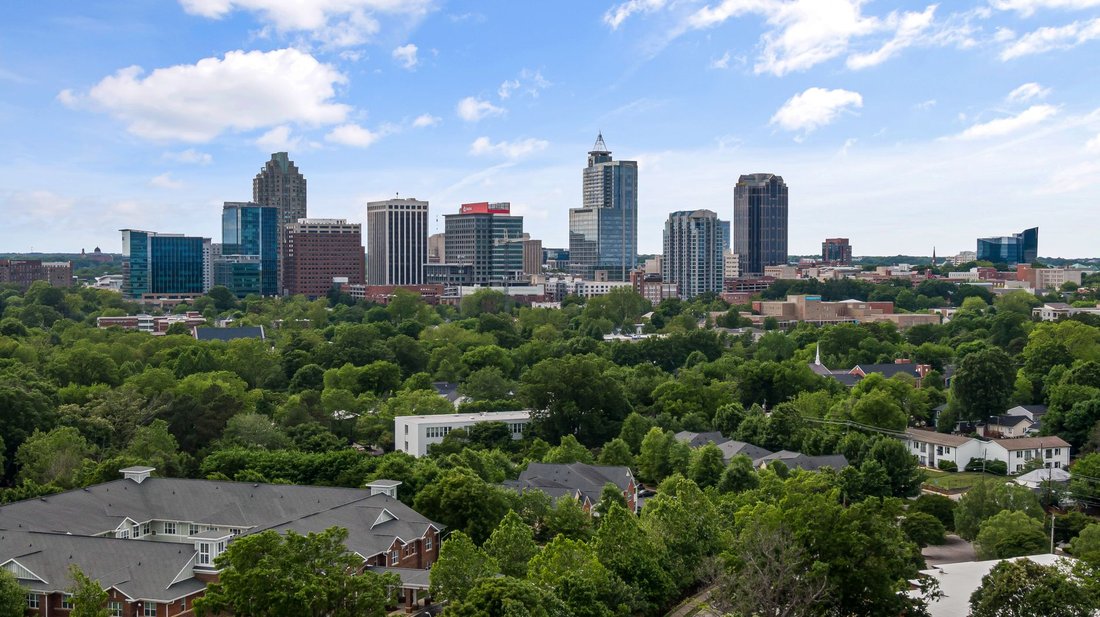
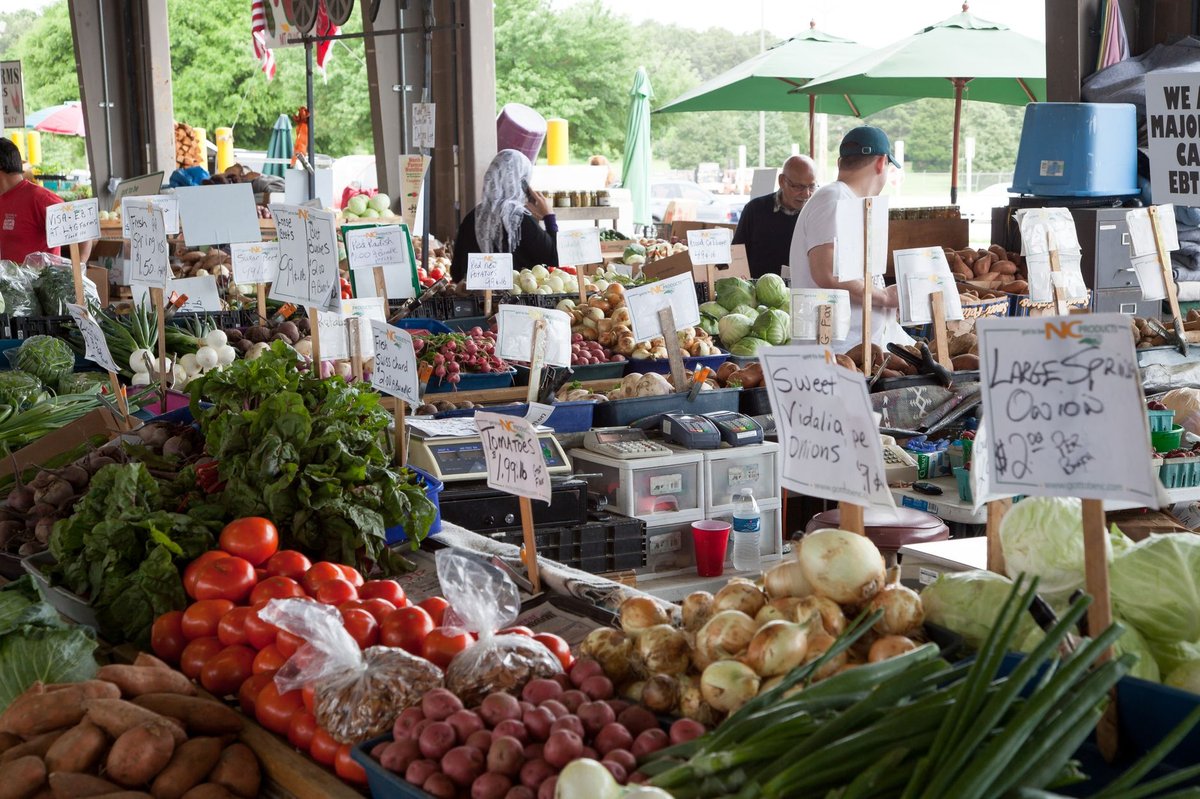
By 7:30 on a Saturday morning, the parking lot at the NC State Farmers Market is already half full. A man in muddy boots loads flats of collards into a pickup bed. Two women argue cheerfully over which stand has the better muscadine grapes, and the smell of biscuits from the Market Restaurant drifts out over the lot before the sun clears the tree line. This is not a staged postcard moment, and it is as good a place as any to start a real list of things to do in Raleigh, a city that has spent thirty years growing into itself and mostly succeeded. It happens most Saturdays, year-round, rain or shine, long before the rest of downtown wakes up. Raleigh isn't trying to be Austin, whatever the magazine listicles say, and it isn't a satellite of Durham or Chapel Hill either, even if the three cities share a research corridor, an airport, and a lot of family dinners. Longtime residents get prickly about the comparison for a reason: Raleigh built its identity around state government, a cluster of major universities, and the wave of Research Triangle Park tech money that followed, and the result looks nothing like a Sun Belt boomtown copying somebody else's playbook. What Raleigh has built on its own terms is a downtown park system, a museum campus that rivals cities twice its size, and neighborhoods that still feel like actual neighborhoods rather than branding exercises. Some of it is old, older than most visitors assume for a city known for tech growth. Some of it opened in the last decade and is still finding its footing. Here's the real list, organized the way you'd plan an actual weekend: parks first, then museums, then markets and squares, then neighborhoods, then what to do with the kids.
Things to Do in Raleigh: Parks and the Outdoors
Raleigh calls itself a city in a park, and the claim holds up better here than in most places that make it. The greenway system alone stretches over a hundred miles, connecting neighborhoods that would otherwise never touch, and the flagship parks are destinations in their own right rather than afterthoughts between parking lots.
Dorothea Dix Park
Dix Park sits on land that spent more than a century as a state psychiatric hospital campus, and the city has been slowly, deliberately turning those 300-plus acres into its signature public space. The view from the hill near the old hospital buildings looks straight down Dix's front lawn toward the downtown skyline, and it's become the place locals bring out-of-town guests for the first real look at the city. There are open meadows for kite flying and dog walking, a small lake, community gardens, and a growing calendar of festivals and outdoor movie nights on the lawn. Trails connect to the broader greenway system, so a walk here can turn into miles if you want it to. The park's master plan is still being built out phase by phase, with new gathering spaces and a memorial park added in recent years, so a visit two years from now will likely show a different park than the one described here. Locals tend to treat it less like a single attraction and more like the backyard the whole city shares, which is a fair way to think about it.

William B. Umstead State Park
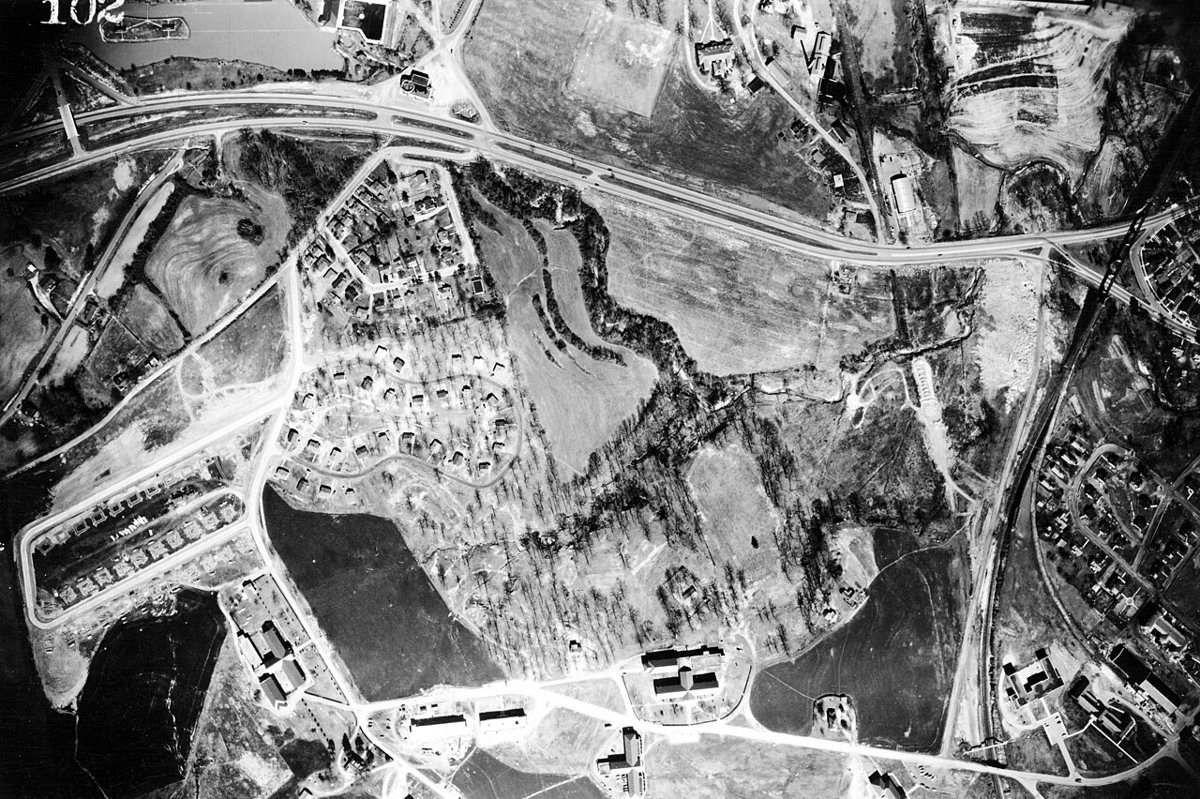
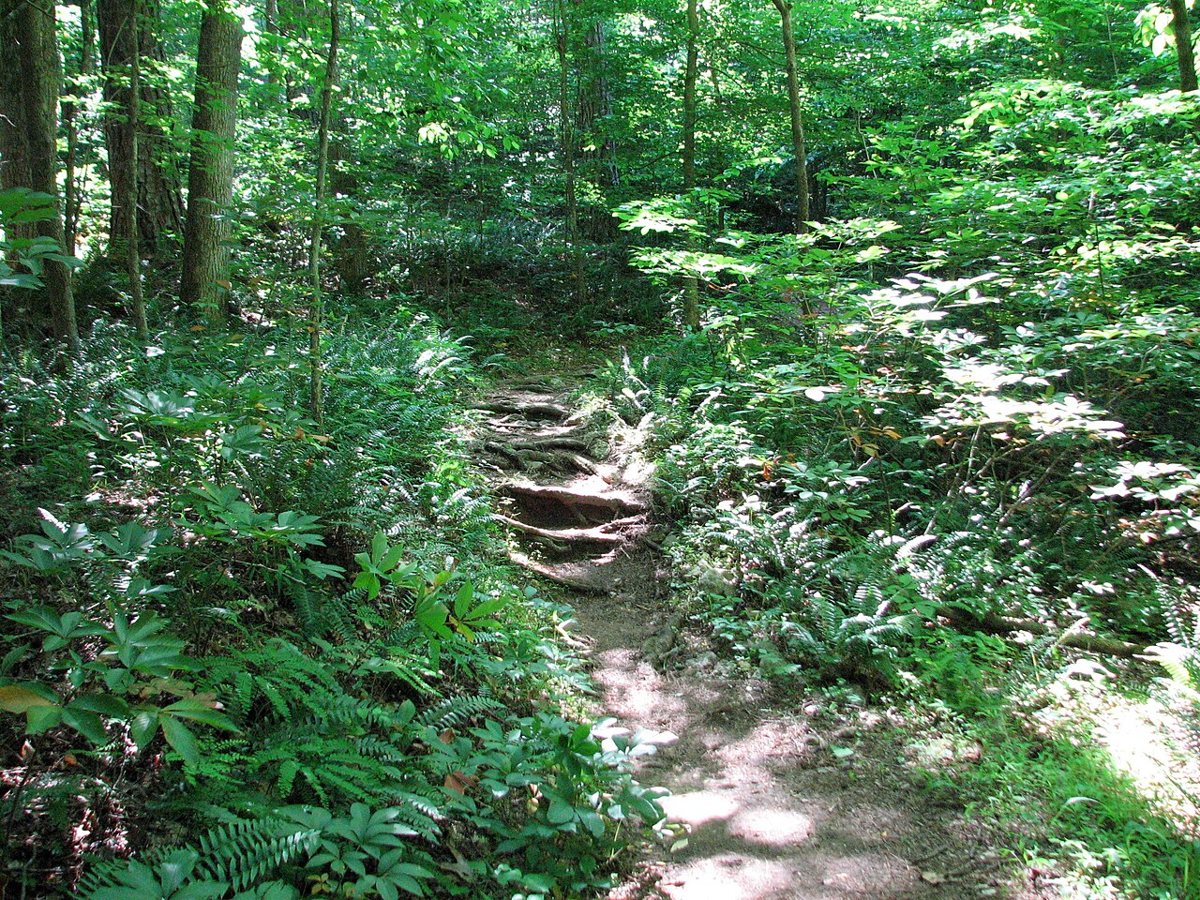
Umstead is the rare state park that sits almost entirely inside a metro area's borders, wedged between Raleigh, Cary, and Research Triangle Park, and it doesn't feel like it. Once you're a half mile in on the Sycamore Trail or out on the water at Big Lake, the highway noise falls away and it's just loblolly pine, old CCC-era stone bridges, and a lot of quiet. The park has separate access points off Glenwood Avenue and Harrison Avenue, dozens of miles of hiking and mountain biking trail, and two lakes for fishing or renting a canoe in season. It's the place Raleigh runners and cyclists train on weekends, and it's still large enough that a Tuesday afternoon visit can feel nearly solitary. The bridle trails see less foot traffic than the main hiking routes and are worth seeking out for that reason alone. Because the park abuts Raleigh-Durham International Airport property on one edge, there's an odd, oddly pleasant contrast on certain trails where a jet passes low overhead and then the woods go quiet again a minute later.

Pullen Park
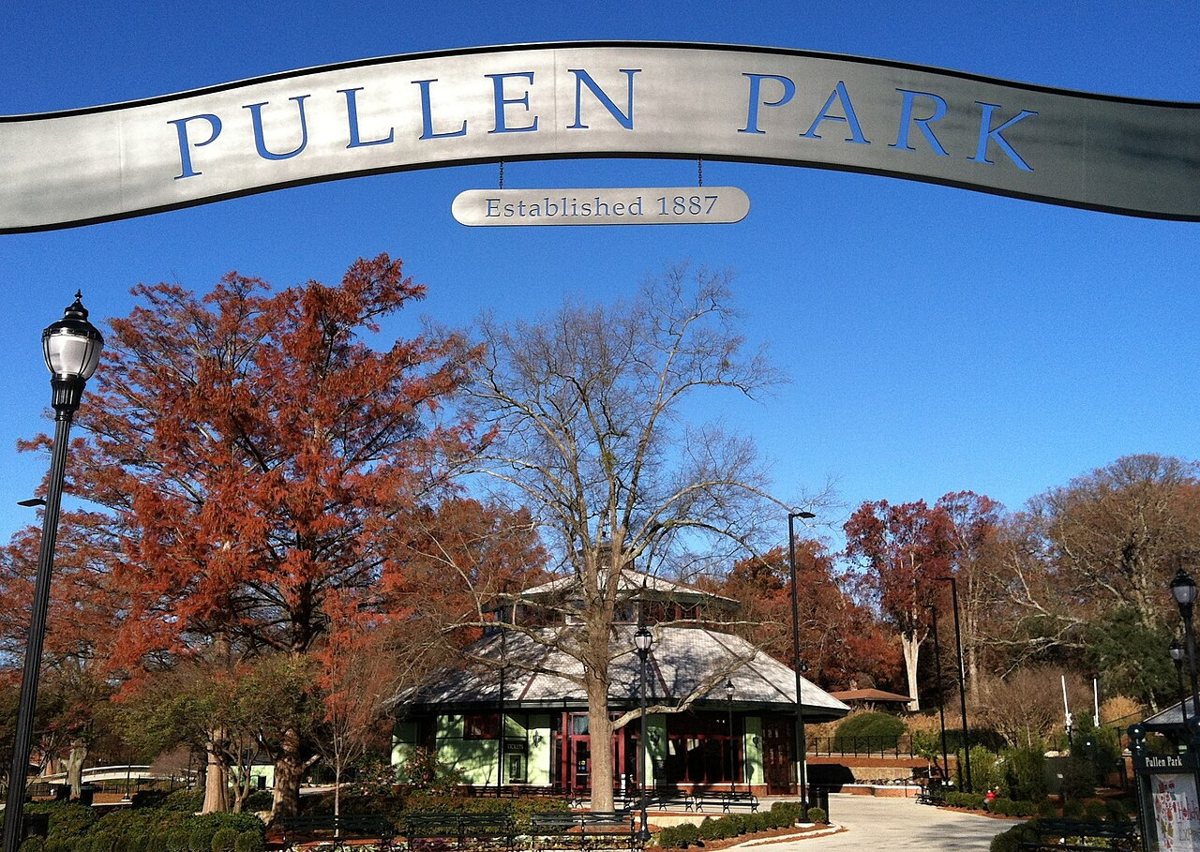
Pullen Park predates most of what's around it. It opened in the 1880s, making it one of the oldest public amusement parks in the country still operating, and generations of Raleigh kids have ridden the same hand-carved 1911 Dentzel carousel their grandparents rode. Beyond the carousel there's a small train that loops the park, paddle boats on Lake Howell, a splash pad, playgrounds, and an amphitheater that hosts summer concerts. It sits right next to NC State's campus, so the crowd is a mix of toddlers on birthday outings and college students cutting through on a study break. Nothing about Pullen feels manufactured for tourists, which is exactly its appeal.

Lake Johnson Park
Lake Johnson is the park locals actually use rather than the one they photograph. The 150-acre reservoir on Raleigh's southwest side has a paved loop trail popular with runners and stroller-pushing parents, a boathouse that rents canoes and kayaks in warmer months, and enough tree cover that a July afternoon lap still feels bearable. It rarely makes anyone's top-ten tourist list, which is precisely why it's worth including here: this is what a Tuesday evening in Raleigh actually looks like, dozens of people getting in a lap around the water after work. Herons and turtles are common sightings along the shoreline, and the wooded sections on the north side stay cool enough in August to make the loop bearable even at midday. It connects into the larger greenway network too, so a short lap can turn into a longer ride toward NC State's campus without ever touching a street.
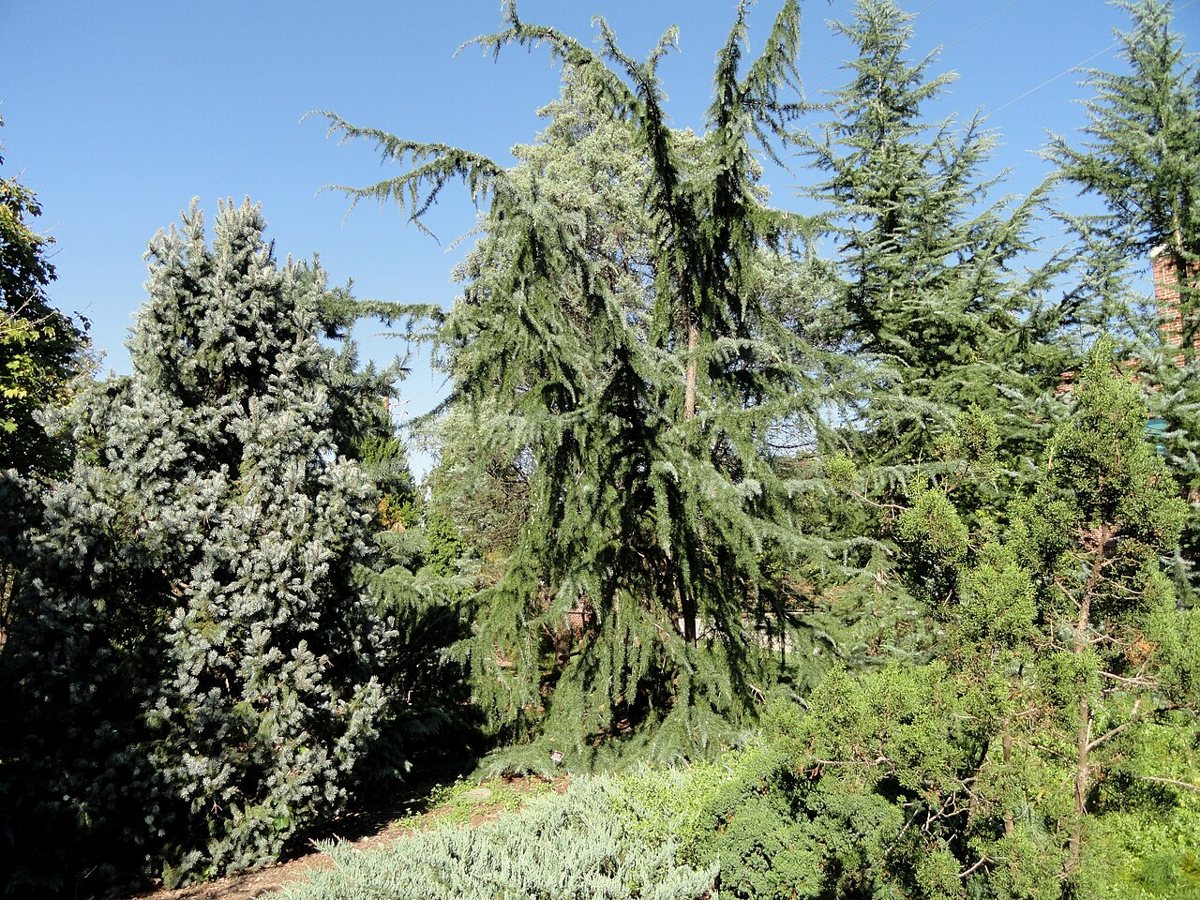
JC Raulston Arboretum
Attached to NC State University, the JC Raulston Arboretum packs an enormous range of plant collections into a compact campus, and admission has always been free. It was built as a testing ground for what grows well in the Piedmont, so the design borders and demonstration gardens double as a working record of decades of horticultural research. Spring and fall are the showpiece seasons, but the arboretum's winter garden and the White Garden hold their own even in the leaner months. It's a slower stop than the big parks, better suited to wandering with a coffee than logging miles.

Museums and Culture
Raleigh's museum campus downtown is the part of the city that surprises visitors most. Several of the major museums are state-run and free to enter, clustered close enough together that a single day can cover most of them on foot.
North Carolina Museum of Art and Museum Park
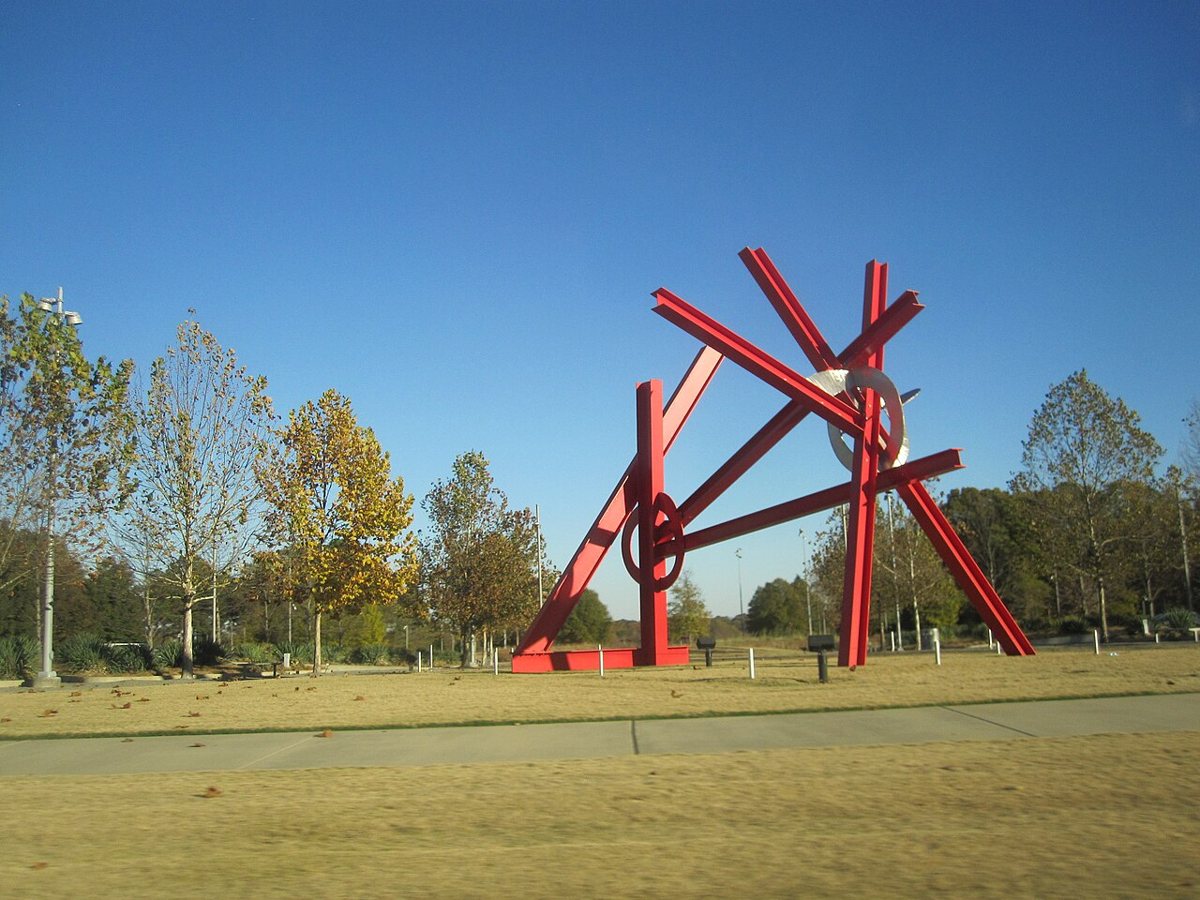
The NCMA holds one of the strongest public art collections in the Southeast, spanning ancient Egyptian pieces through contemporary work, and general admission to the permanent collection has long been free. What sets it apart from a typical art museum is the 164-acre Museum Park surrounding the building, where large-scale outdoor sculpture is scattered across meadows and trails instead of locked behind glass. Summer brings an outdoor concert and film series on the West Bldg lawn that's become a genuine Raleigh institution, the kind of evening where people spread blankets, bring a picnic, and watch a movie under the open sky with the sculptures as a backdrop. The trail network inside Museum Park loops past pieces by artists working at very different scales, from a massive earthwork you can walk into to smaller pieces tucked along a wooded path, and none of it requires paying for the special exhibitions inside to enjoy. Runners use the park's loop trail as seriously as any dedicated greenway, and it's common to see someone finishing a workout a hundred feet from a school group on a field trip.

North Carolina Museum of Natural Sciences
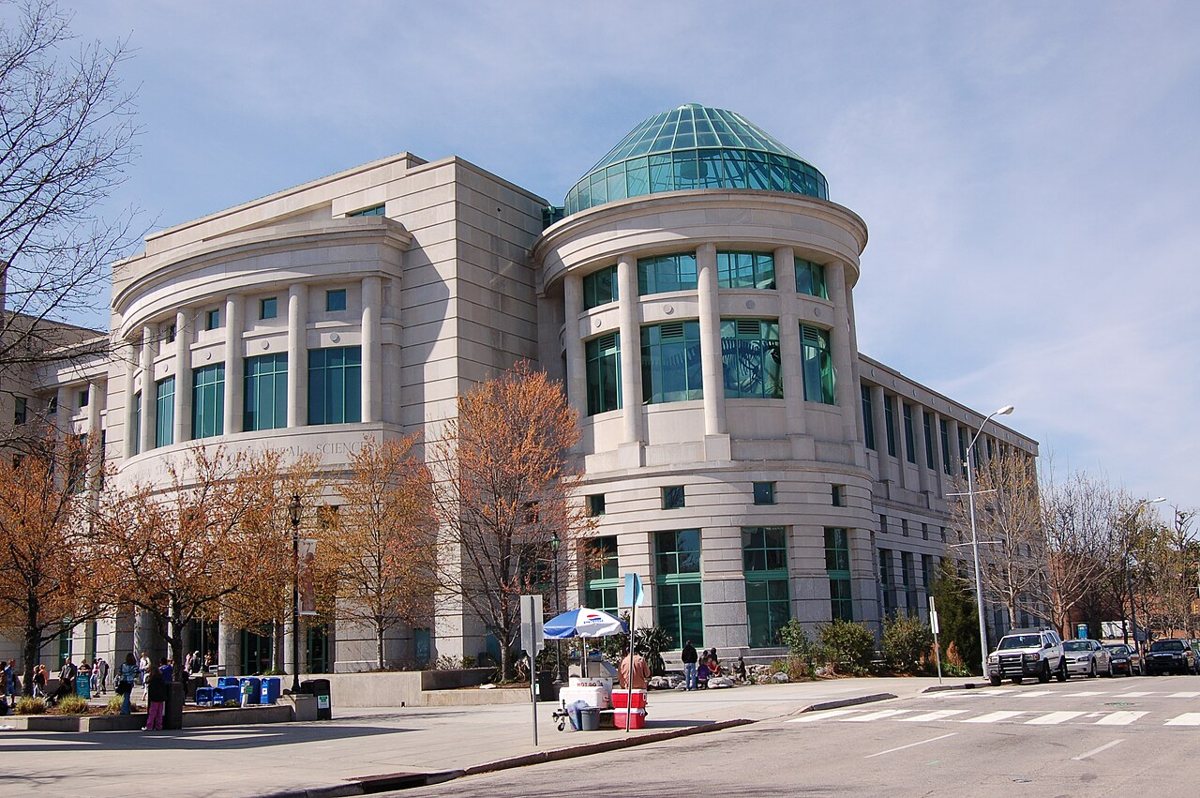
This is the museum that Raleigh families cycle through repeatedly, because it's free, it's enormous, and it changes enough to reward a second or third visit. The dinosaur skeletons in the Nature Research Center's atrium draw the most photos, but the live animal exhibits, the Naturalist Center, and the Prehistoric North Carolina hall covering the state's own fossil record give it real depth beyond the spectacle. It sits directly across from the Museum of History on Bicentennial Plaza, so the two are an easy pairing.

North Carolina Museum of History
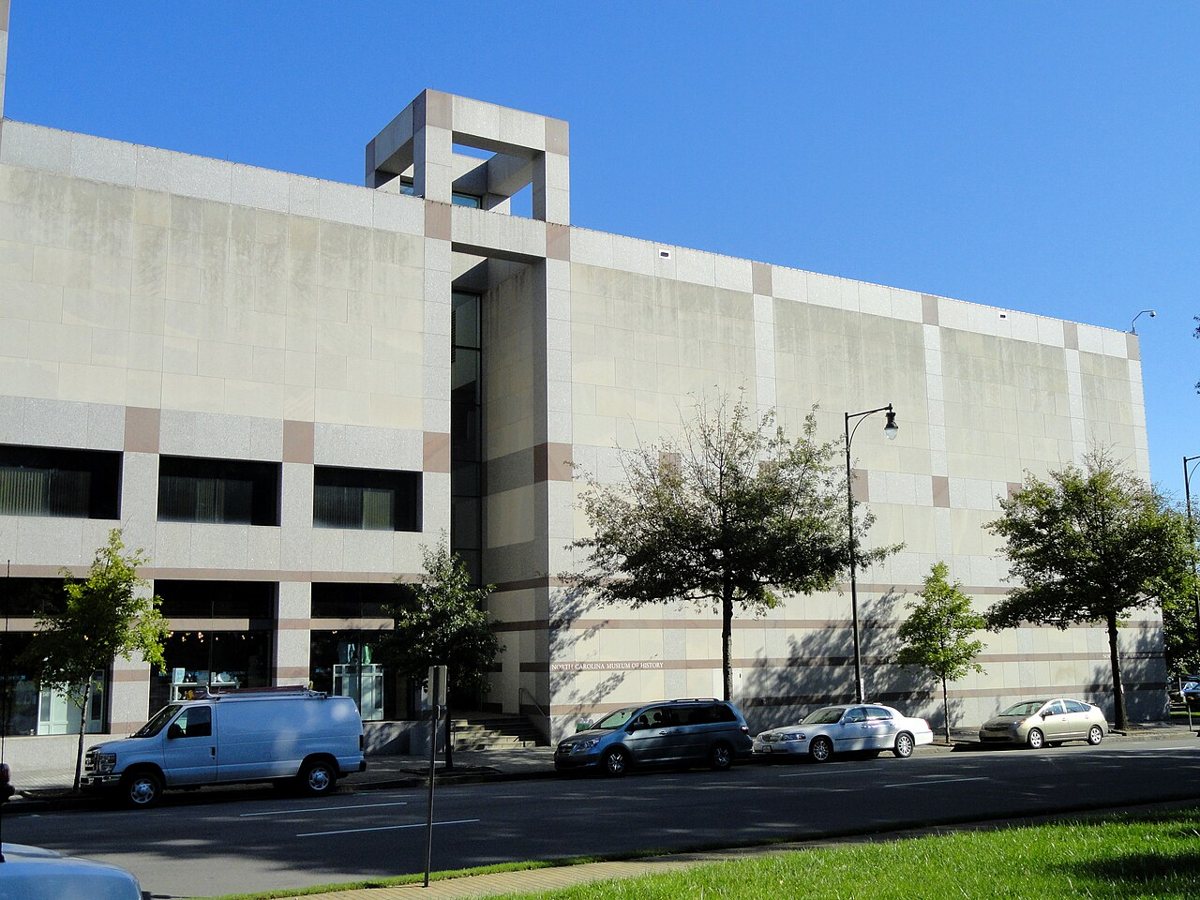
The Museum of History takes the long view of the state, from Indigenous history through the Civil War, the tobacco and textile economies, civil rights, and the sports and music that shaped North Carolina's identity. Permanent exhibits on North Carolina sports legends and folk life sit alongside rotating exhibitions, and like its neighbor across the plaza, admission to the permanent collections is free. It's a useful counterweight to the science museum's crowds, usually quieter, and it gives context for a lot of what visitors notice elsewhere in the city, from street names to the Capitol grounds a few blocks away.

CAM Raleigh and the Warehouse District
West of downtown, the Warehouse District grew out of old tobacco and manufacturing buildings into Raleigh's contemporary art and music corridor. The Contemporary Art Museum, known locally as CAM Raleigh, anchors the district with rotating exhibitions of contemporary work in a converted warehouse space, and the surrounding blocks hold galleries, music venues, and some of the city's better breweries. It's a district that rewards walking rather than driving from stop to stop, and it connects easily to Glenwood South's restaurant row a few blocks north for dinner afterward.
Markets, Squares, and Downtown Landmarks
The heart of Raleigh isn't a single street the way it is in some cities. It's a set of public spaces, a market, and a Capitol lawn that together do the work of a town square.
NC State Farmers Market
The state-run Farmers Market on Lake Wheeler Road has operated for decades as a wholesale and retail hub for North Carolina growers, and it draws home cooks, chefs, and curious visitors in roughly equal numbers. Sheds are organized by product, so one building is produce, another handles the seafood coming in from the coast, and a separate garden center sells plants and hanging baskets by the truckload in spring. Weekends are busiest, but the market runs every day of the week, and the on-site restaurant has fed Raleigh breakfast crowds for generations.
Moore Square
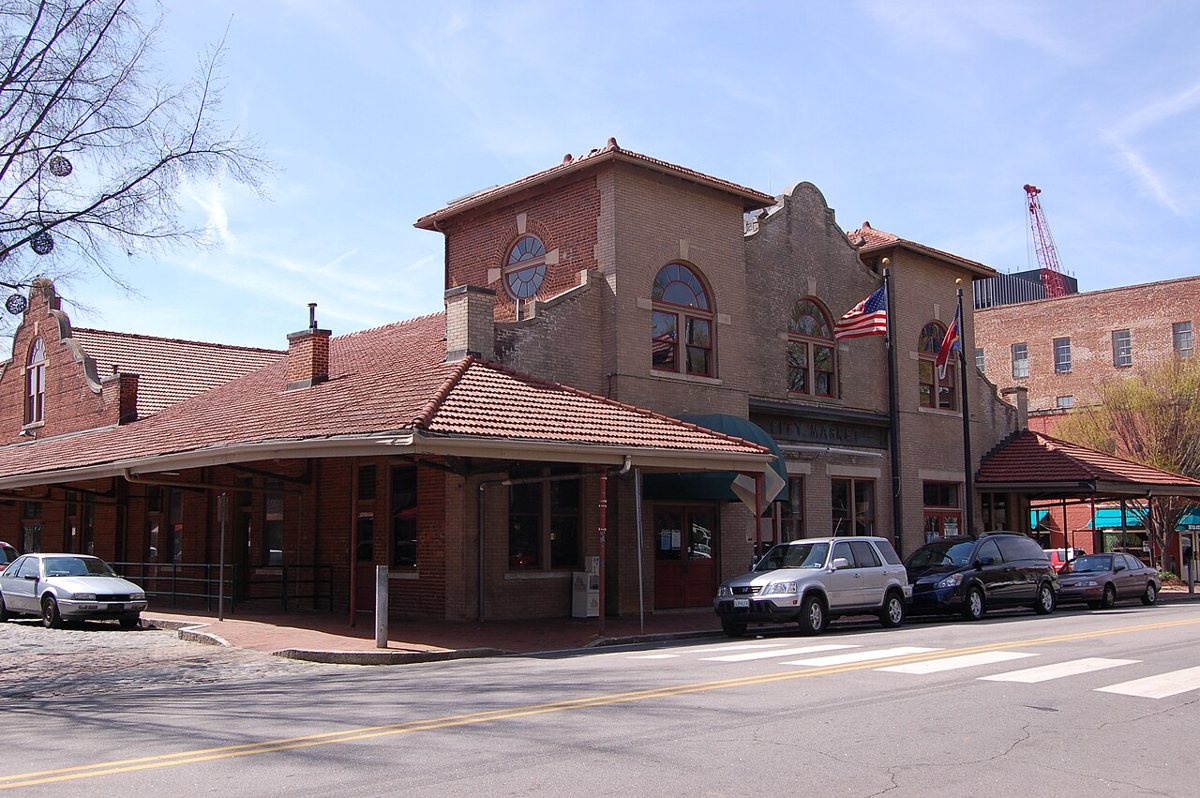
Moore Square is one of the five original public squares laid out in Raleigh's 1792 city plan, and after a multi-year renovation it reopened as the green anchor of downtown's eastern edge, right where downtown meets the Warehouse District and the edge of Oakwood. The redesigned square added a performance pavilion, splash fountain, and better shade cover, and it now hosts a steady rotation of markets, concerts, and food truck rallies. It sits a short walk from Moore Square's namesake theatre district and from City Market, making it a natural midpoint for a downtown walking day.

State Capitol Grounds
The 1840 State Capitol building still houses the governor's ceremonial office and sits on a shaded, landscaped block that functions as downtown Raleigh's most walkable green space outside the park system proper. The Greek Revival building itself is open to the public, and the surrounding grounds are dotted with historical monuments tracking two centuries of state history. It's compact enough to see in twenty minutes but worth slowing down for, especially on the same trip as the two museums a few blocks away on Bicentennial Plaza.
Neighborhoods Worth Wandering
Historic Oakwood
Oakwood is Raleigh's best-preserved Victorian neighborhood, a few dozen blocks of gingerbread trim, wraparound porches, and towering oaks just northeast of downtown and Moore Square. The Historic Oakwood Cemetery at its edge predates the neighborhood itself and holds the graves of governors, Confederate soldiers, and everyday Raleigh residents going back to the 1860s, laid out with enough winding paths and old growth trees that a walk through it doubles as a quiet city park. The neighborhood association runs a candlelight tour each December that's become one of the city's steadier holiday traditions.
Five Points, Glenwood South, North Hills, and Cameron Village
The rest of Raleigh's identity gets built neighborhood by neighborhood. Five Points is the walkable bungalow district north of downtown with its own small-business strip and a marquee at the Rialto that's been drawing moviegoers for decades. Glenwood South is the nightlife and restaurant corridor where converted warehouses and rowhouses now hold Raleigh's densest concentration of bars and restaurants within walking distance of each other. North Hills has grown from a mid-century shopping center into a mixed-use district with its own hotel, offices, and open-air shopping, popular with a slightly older crowd than Glenwood South draws. Cameron Village, one of the Southeast's earliest shopping centers when it opened after World War II, still functions as a low-key retail hub near NC State, worn in rather than worn out. None of these four neighborhoods look alike, and that's the point. A visitor who only sees downtown and Glenwood South leaves with a skewed picture of a city that also includes quiet mid-century streets in North Hills and a shopping strip that's been serving the same corner since before the interstate came through. Renting a bike or just driving a loop through all four in one afternoon says more about how Raleigh actually lives than any single stop on this list.
For Families
Marbles Kids Museum
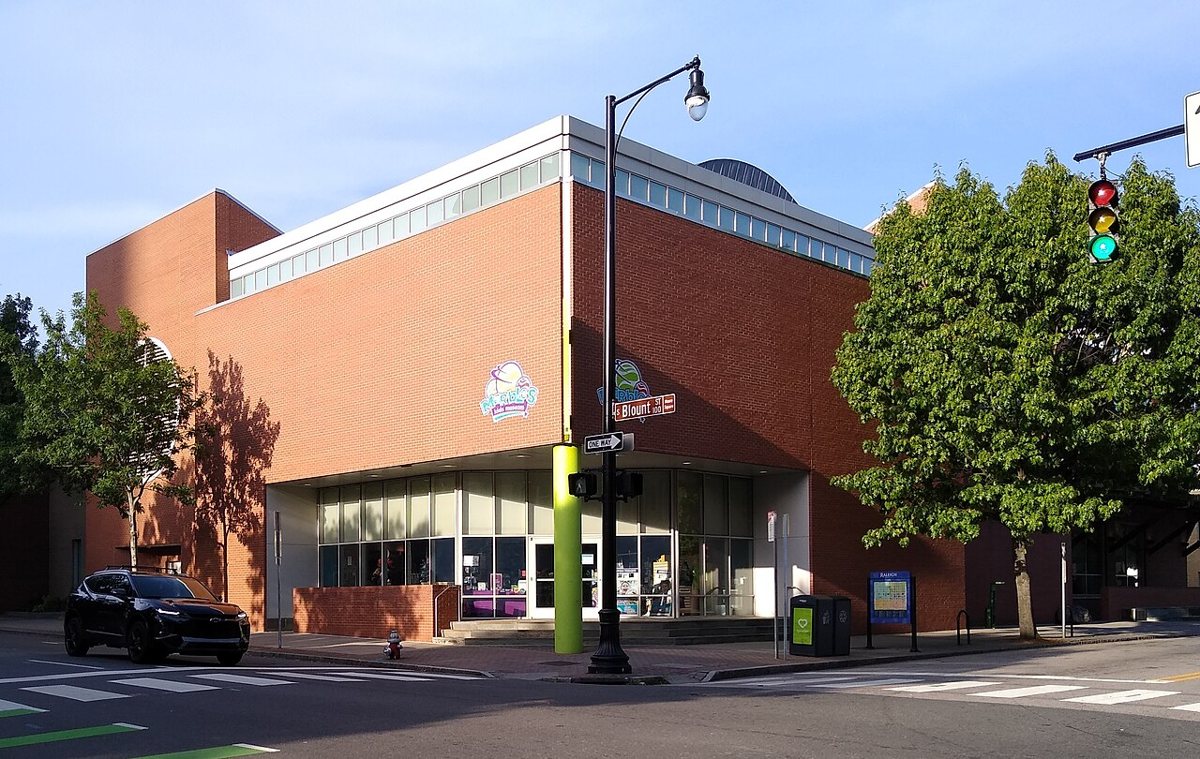
Marbles sits downtown near Moore Square and the museum campus, and it's built entirely around hands-on play rather than glass cases. Kids climb through a multi-story ship exhibit, run a pretend grocery store, and build with oversized construction blocks, while an attached IMAX theater screens family films on a giant curved screen. It's aimed at younger children more than teenagers, and it gets crowded on rainy weekends, but it remains the default answer for Raleigh parents asking what to do with kids under ten on a gray afternoon.

Practical Notes for Visiting Raleigh
- Many of Raleigh's best attractions, including the state museums on Bicentennial Plaza, the NC Museum of Art's permanent collection, and the JC Raulston Arboretum, don't charge general admission, which makes a museum-heavy day surprisingly affordable.
- Downtown, Museum Park, and Oakwood are all walkable on their own, but the distances between clusters, say downtown to Umstead or the Farmers Market, call for a car or rideshare.
- The greenway system connects most of the major parks, so cyclists can string together a route from Dix Park toward Lake Johnson or NC State without much street riding.
- Parking downtown is easiest on weekends; weekday visits to the Capitol, museums, or Moore Square area mean planning around state employee traffic.
- If a day trip pulls you further afield, Durham's downtown and food scene is a short drive west and worth the detour rather than something to skip on principle.
- Spring and fall are the most comfortable seasons for outdoor stops like Museum Park, the arboretum, and Umstead; summer humidity is real and worth planning around with early starts or shaded routes.
- RDU International Airport sits close enough to downtown that a short flight delay doesn't have to mean losing a half day, and it puts Umstead's northern trailheads within a few minutes of arrival.
The Local's Verdict
Raleigh doesn't have a single postcard landmark the way Charleston has its steeples or Asheville has its mountains framing every photo. What it has instead is a scattered set of genuinely strong public assets, free museums, a park system built with real intention, a market that still functions as a working market and not a tourist prop, that add up to more than most visitors expect on arrival. The mistake people make is trying to see Raleigh in an afternoon between Durham and Chapel Hill stops. Give it its own day, start at the Farmers Market before the crowds thicken, walk the museum campus, end at Dix Park for the skyline view at golden hour, and the city makes its case on its own terms. It grew fast, it's still figuring out exactly what kind of Southern city it wants to be, and neither of those things make it generic. Ask five longtime residents what Raleigh is and you'll get five different answers rooted in five different neighborhoods, and that disagreement is a healthier sign than a city with one tidy brand and nothing underneath it. The state government keeps the city's institutions funded and its museums free. The universities keep it young. The old neighborhoods keep it honest about where it came from. None of that fits neatly on a postcard, and it doesn't need to. They make it worth the extra day.