Best Brunch in Glenwood South Locals Recommend
How to read Glenwood South's brunch scene like a local: Southern versus new-American kitchens, real bottomless-drink etiquette, patio strategy and the waits worth planning around.
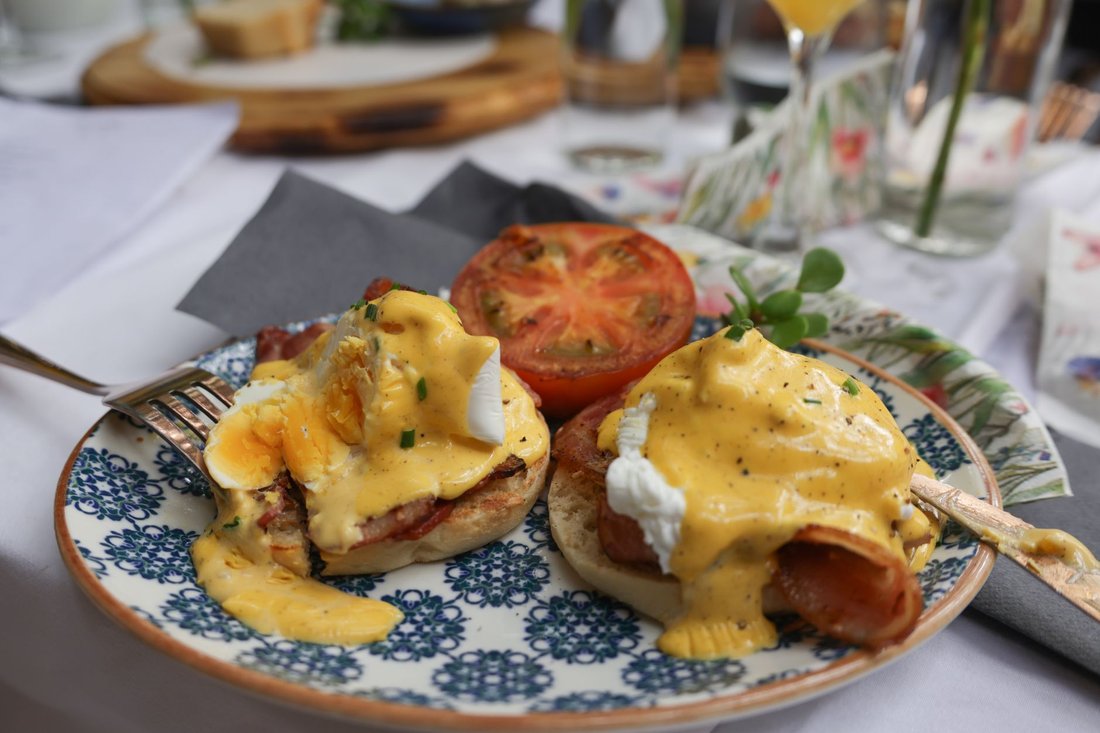
By 9:40 on a Saturday morning, Glenwood Avenue is already rearranging itself. The valet stands that worked the Friday night crowd are gone, swapped out for sandwich boards and stacked patio chairs coming down one by one. Runners cut through the crosswalk near the old warehouse buildings. A line is forming outside a door that was still pumping bass eleven hours earlier, and the people in it look like they slept somewhere between four and nine hours, dressed in sunglasses and yesterday's confidence. This is the search for the best brunch in Glenwood South in miniature: a nightlife corridor waking up slowly, then all at once, and turning its bar muscle toward eggs, biscuits and the first drink of the day.
Raleigh doesn't lack for brunch. Five Points does it in a bungalow-lined hush, and North Hills does it with a shopping bag in one hand. Downtown brings its own flavor too, with a state government hangover baked into the crowd. Glenwood South does something different. It is the one part of the Triangle where brunch and last night are separated by only a few hours of sleep, and the restaurants here have built a whole way of doing the meal around that fact. What follows isn't a list of specific restaurants. It's the accumulated, locally sourced knowledge of how to actually do brunch well in this corridor: what styles to expect, how the crowds move, what a good bloody mary program looks like, and how to decide whether you even want Glenwood South this weekend or whether Five Points or North Hills would serve you better.

What Glenwood South brunch does best
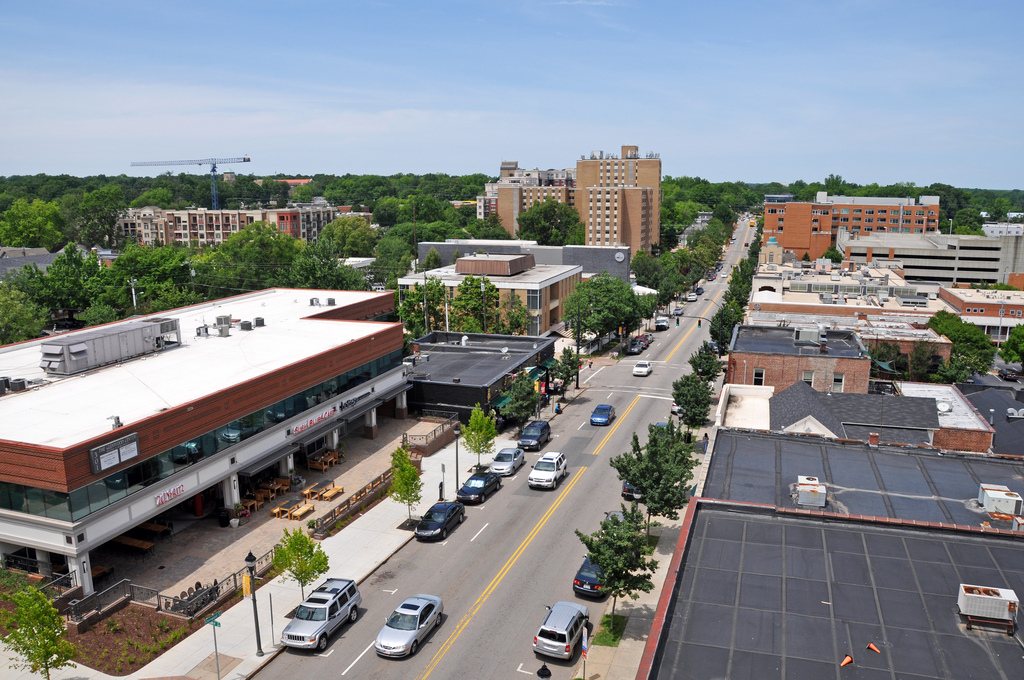
Ask a longtime Raleigh resident what separates the best brunch in Glenwood South from brunch anywhere else in the city, and the answer usually comes down to energy. This is a neighborhood built for restaurants that can flip from dinner-and-drinks to daytime-and-drinks without missing a beat, because most of the buildings along Glenwood Avenue and its side streets were designed for exactly that kind of turnover. The dining rooms tend to be open and loud rather than tucked away and quiet. The bars are full-service, not a card table with a coffee urn. And the patios, many of them facing the sidewalk traffic of the corridor itself, are built for people-watching as much as eating.
What that means in practice is a brunch scene organized around a serious drink program and food built to be shared or eaten quickly between rounds. On top of that, the crowd treats the meal as a social event first and a quiet morning second. If you're looking for a hushed, solitary breakfast with a newspaper, this isn't really the neighborhood for it. That's more of a Five Points morning. For brunch as an extension of the going-out lifestyle Glenwood South is known for after dark, this corridor does it better than almost anywhere else in the Triangle.
The corridor also benefits from density in a way that changes how restaurants compete. Because so many kitchens sit within a five-minute walk of each other, the bar for a good brunch plate gets raised constantly. A shrimp and grits that would be the standout dish in a suburban strip mall has real competition two doors down here, and that competition tends to push quality up rather than prices down. Locals who eat brunch in this neighborhood regularly develop strong, specific opinions about which kitchens take the biscuit seriously and which ones are coasting on the drink menu alone, and that kind of scrutiny is part of what keeps the overall standard high.
Southern brunch versus new-American brunch
Two traditions run through Glenwood South's tables, and knowing which one you're walking into changes what you should order and how long you should expect to sit.
The Southern register
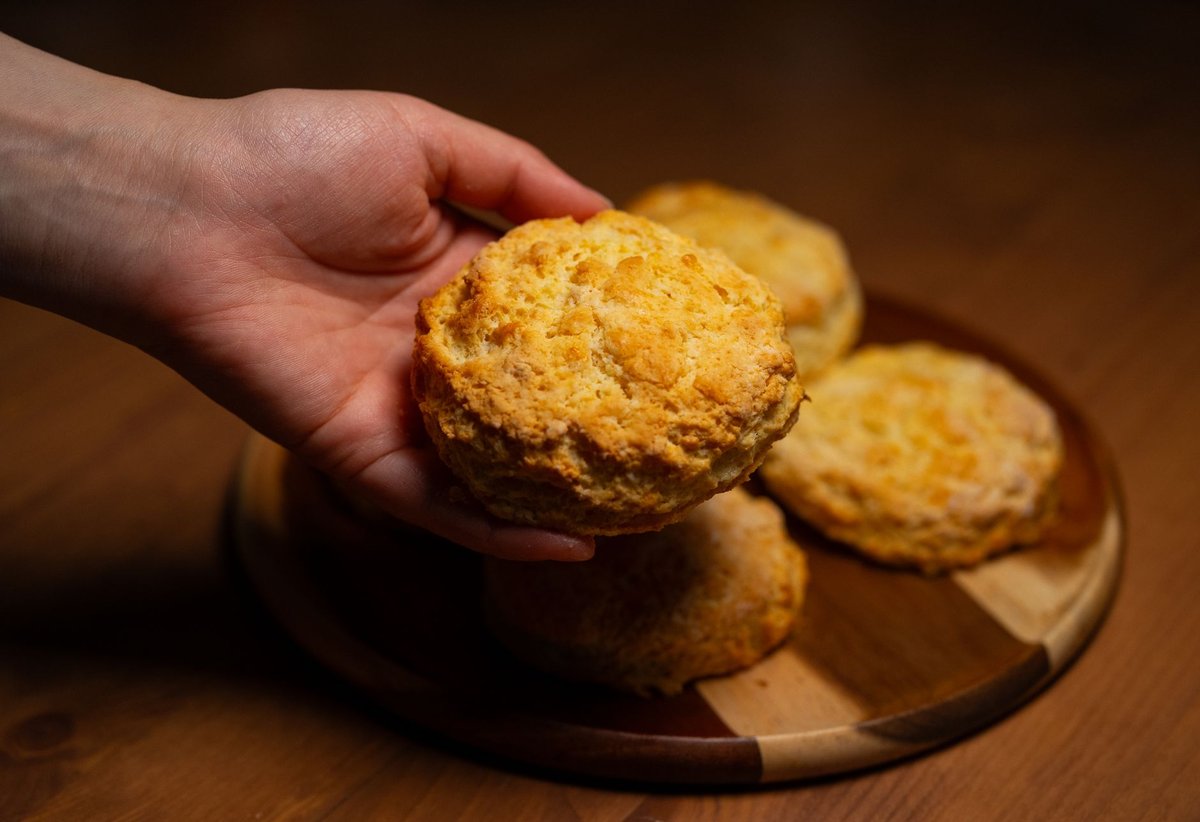
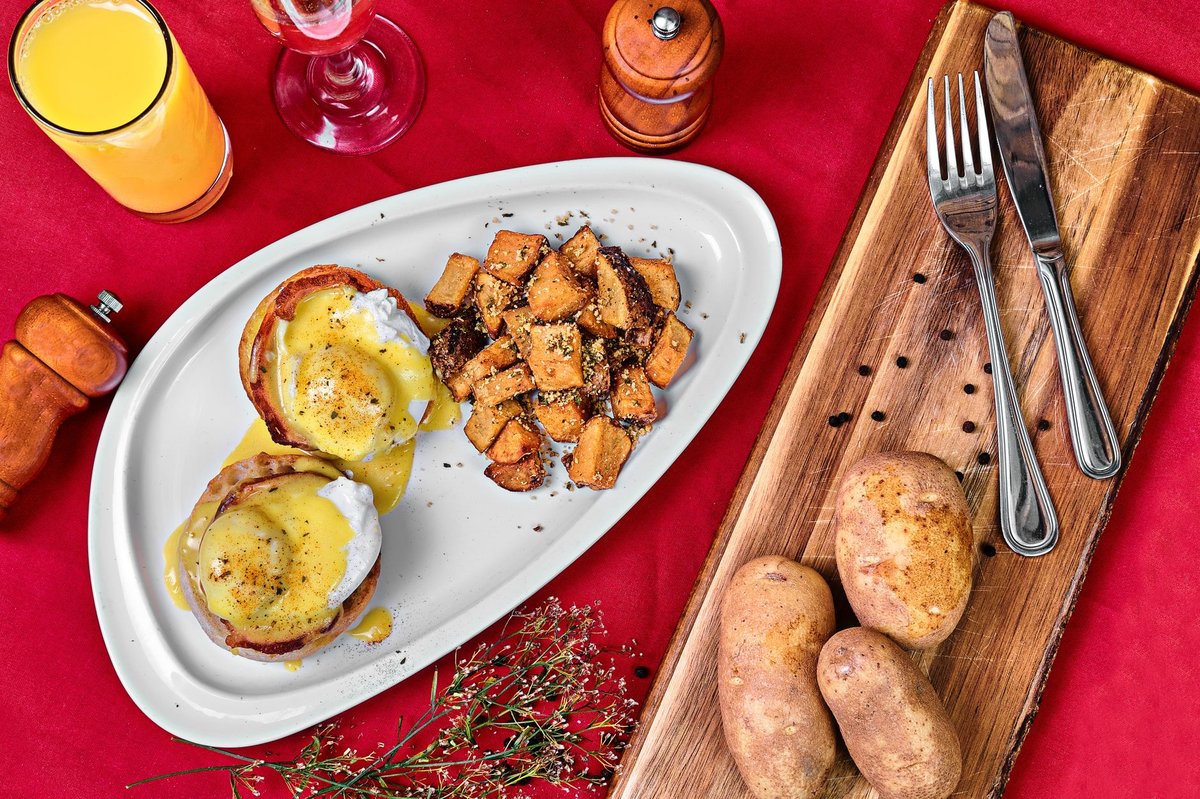
The first is rooted in the region itself: biscuits made from scratch, shrimp and grits built on a stone-ground base, sausage gravy, pimento cheese worked into unexpected corners of a menu, and fried chicken showing up on a biscuit or next to a waffle. Call it the food language of Eastern North Carolina filtered through a restaurant kitchen rather than a barbecue pit; the plates tend to run heavier and saucier, with a filling weight that its coastal or brunch-chain equivalents rarely match. A kitchen doing Southern brunch well treats the biscuit as a genuine test of skill, not a bread-basket afterthought, and the shrimp and grits should taste like a kitchen with a real stock pot, not a shortcut sauce.
The new-American register
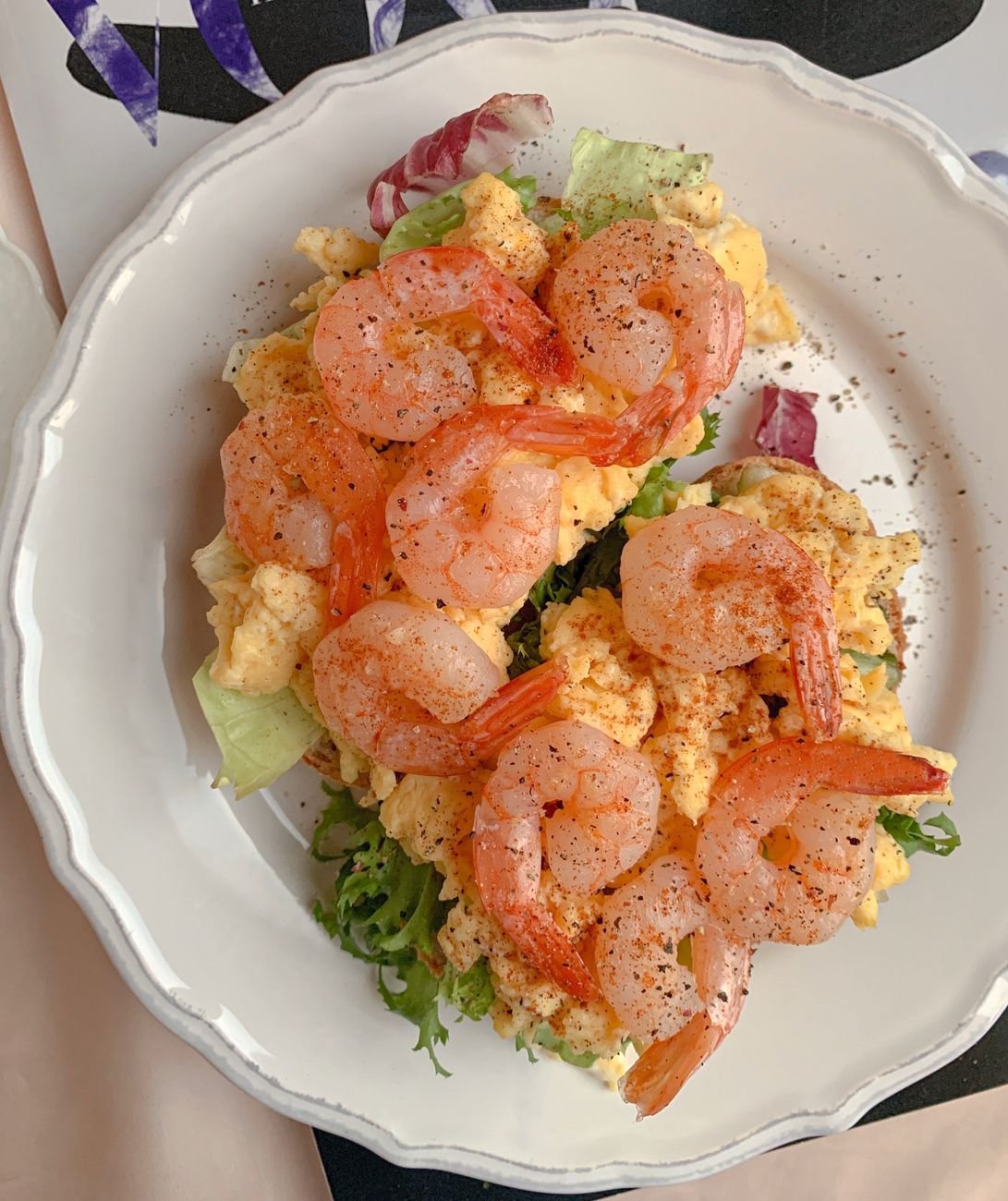
The second tradition runs closer to what you'd find in any ambitious American city: composed egg dishes, avocado toast built with actual technique, house-made pastries, and plates designed to photograph well before you dig in. Seasonal produce shapes this style, alongside a wider spread of espresso drinks; the menu itself changes more often than the Southern spots around it. Neither approach is more "authentic" to Raleigh. Both have deep roots in Glenwood South's identity as a corridor that grew up fast on Research Triangle money and a young professional population that wants both the comfort of shrimp and grits and the polish of a new-American plate, sometimes at the same table.
Reading the coffee and pastry program
One overlooked signal of a kitchen's seriousness is what it does with the parts of brunch that aren't eggs or alcohol. A restaurant that sources its coffee with any intention, rather than pouring from an anonymous urn, and bakes its own biscuits or pastries in house rather than trucking them in, is usually the same kitchen paying attention to the rest of the menu. Ask whether the biscuits are made that morning. A server who answers immediately and specifically is a good sign; a vague answer usually means the kitchen doesn't consider it worth bragging about, which tells you something too.
The smartest move for a first visit is to look at the menu before you sit down, which most of these restaurants post at the door or online, and decide which register you're in the mood for. A kitchen trying to do both traditions at once, and doing neither particularly well, is the one red flag worth watching for.
Bottomless mimosa and bloody mary culture
No conversation about the best brunch in Glenwood South avoids the drink menu for long, because the drink menu is often the reason people chose this corridor over another one. Bottomless mimosa and bloody mary programs are common here in a way they simply aren't in Five Points or North Hills, a direct inheritance from Glenwood South's identity as Raleigh's most concentrated bar-and-restaurant strip.
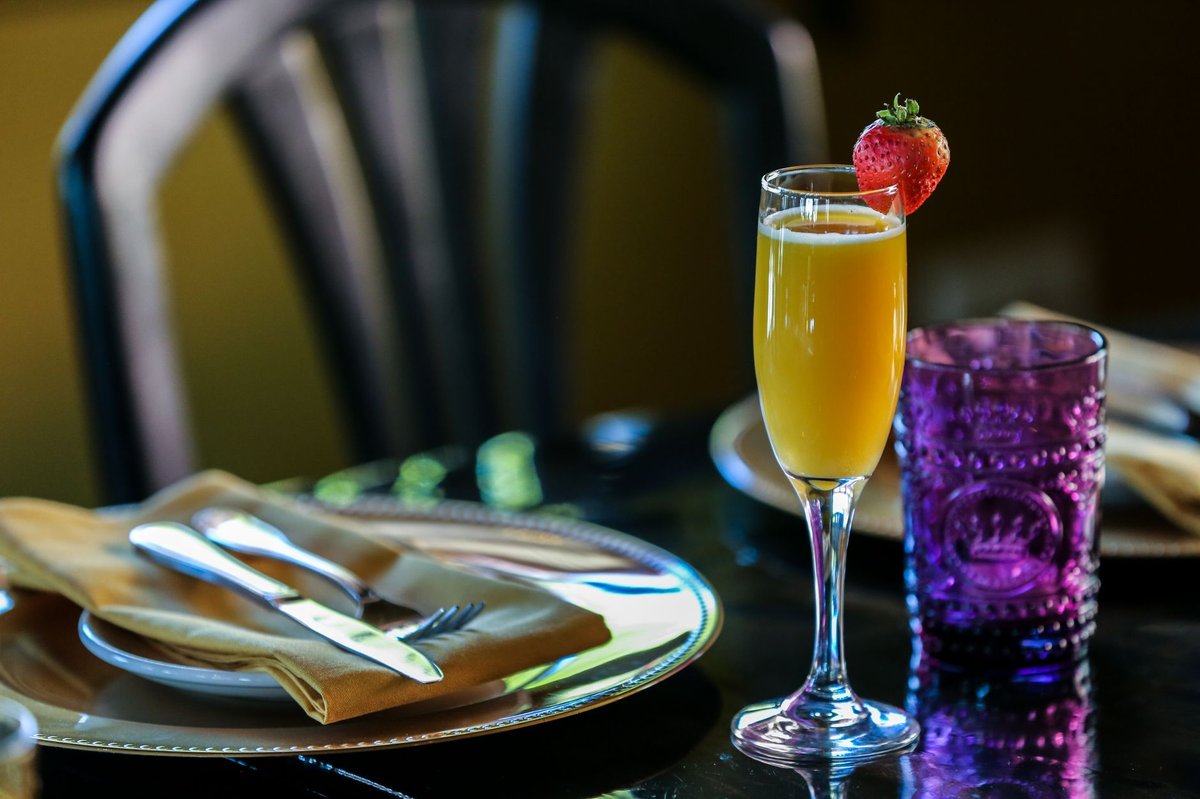
A well-run bottomless program has a few tells. The mimosa should come with real juice options beyond orange, such as grapefruit, cranberry or a seasonal add-in, signals a bar that's paying attention rather than just pouring sparkling wine into a glass and calling it done. A bloody mary program worth ordering has its own house mix, not a bottled base, and garnishes that go past a single celery stalk: pickled vegetables, a strip of bacon, a small skewer of olives. Your server can tell you what's in the house mix if it isn't listed. The good kitchens are proud of it and will tell you.
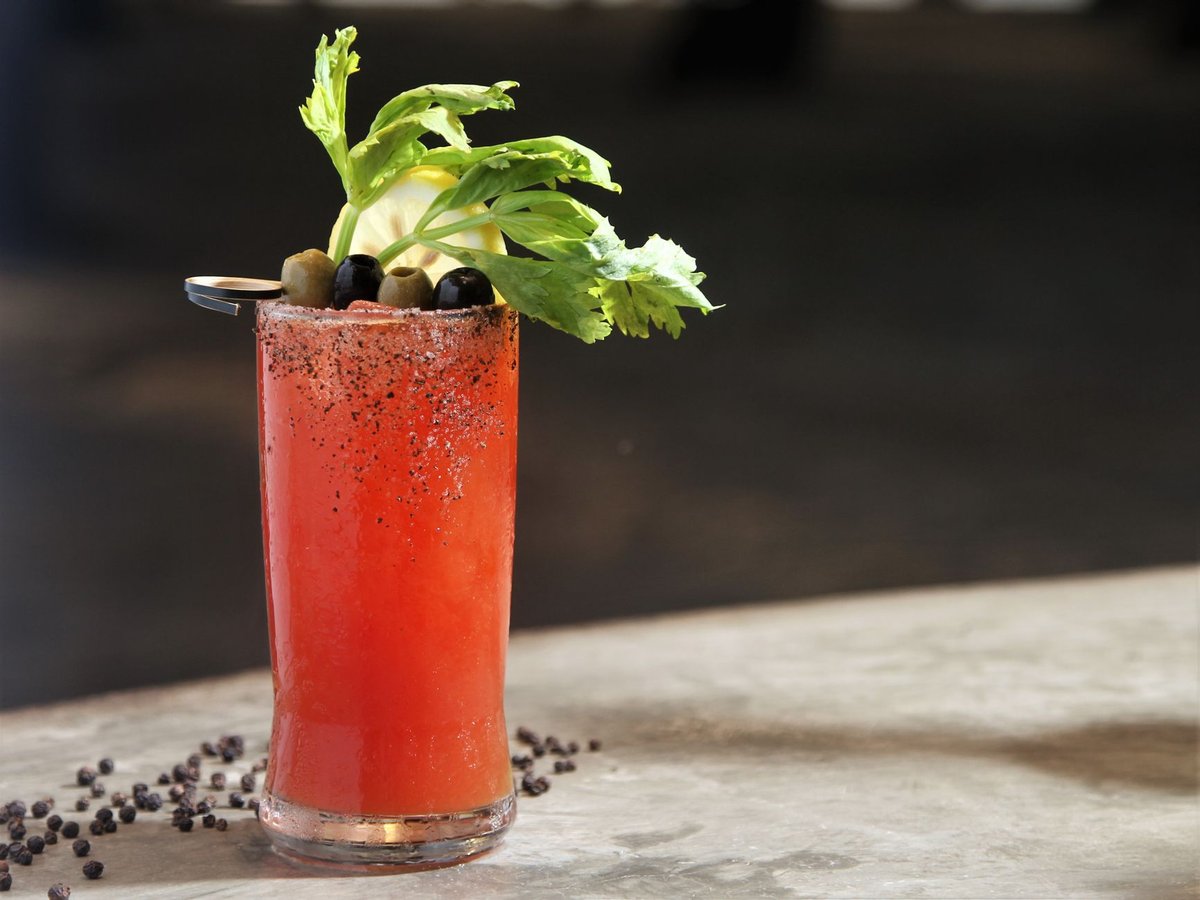
Time limits matter too. Most bottomless deals run on a strict window, commonly ninety minutes to two hours, and the good ones will tell you the clock starts when the first round hits the table, not when you sit down. Ask before you order if the restaurant is busy, because a slow kitchen eating into your window is the single most common bottomless-brunch complaint in this neighborhood.
It's also worth understanding what bottomless does and doesn't include. The typical program covers a defined list of drinks, mimosas, bloody marys and sometimes a house sangria or spritz, rather than the full bar, and premium liquor or wine upgrades usually cost extra even under a bottomless deal. Pace yourself against the food, too. A bottomless window moves fast once a table settles into a rhythm, and the restaurants that do this well will keep checking in on food alongside drinks rather than letting a table drink through an empty two hours.
Patio and walkability
Glenwood South was built at a scale that rewards walking, and brunch here is best treated as a walking meal rather than a driving one. Most of the corridor's residential buildings sit within a few blocks of its restaurant row, which means a large share of the Saturday and Sunday brunch crowd arrives on foot, already dressed for a patio rather than a car.
Density here has two effects worth planning around. First, patio seating is genuinely prized here, more than in most of Raleigh, because the corridor's sidewalk energy is part of the draw. You're not just eating outside, you're watching the neighborhood wake up around you. Second, parking gets tight fast once the morning crowd builds, so anyone not already living within walking distance should plan to park once and walk between spots rather than drive block to block. Rideshare drop-off near the main strip is common enough that a lot of visitors skip parking altogether.
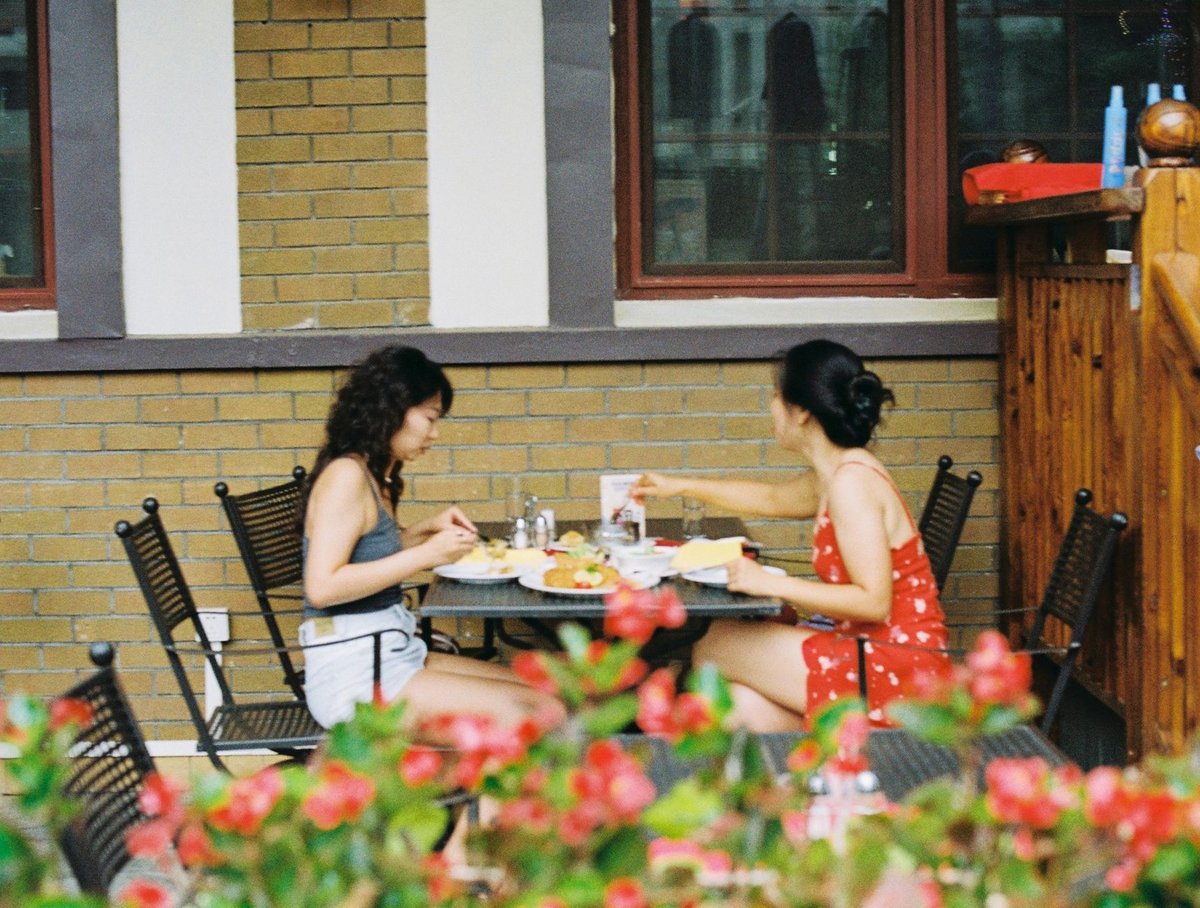
Anyone staying somewhere within walking distance should treat brunch as the first stop in a longer loop: a walk down Glenwood Avenue afterward, a stop into one of the shops that keep weekend hours, maybe a coffee closer to Peace Street to sober the morning up. The corridor rewards that kind of loose itinerary more than a single reserved seating. Even the shade matters on a patio-heavy Saturday. A table under an awning or umbrella by eleven o'clock in the middle of a Carolina summer is worth more than a marginally better view, and asking to be seated in shade rather than full sun is a completely normal request here.
Timing and the wait
Waits are the defining logistical fact of brunch in this neighborhood, and they follow a predictable rhythm once you know it. The earliest seating, generally the first hour after doors open, draws the lightest crowd: families, early risers, and people who genuinely want a quiet plate before the noise builds. From there, the wait climbs steadily until it peaks in the late-morning window, roughly eleven to one, when the overnight crowd has finally gotten out of bed and the day-drinking crowd has arrived to start early. After that peak, things ease off again into early afternoon as the bottomless crowd's window runs out and kitchens start prepping for the evening shift.
A few practical habits go a long way here. Reservations are rare at the corridor's higher-volume spots, or capped to a small share of tables, so a call-ahead or an app-based waitlist join fifteen to twenty minutes before you actually want to sit is worth the effort. Weather matters more here than in most Raleigh dining, since so much of the seating draw is patio space. A clear, mild Saturday will run a longer wait than a gray or hot one. And holiday weekends, particularly ones tied to college football Saturdays given the proximity to NC State's campus energy, push waits well past what a normal weekend produces.
Going in a party of two moves faster than a party of six almost everywhere in this corridor, and splitting a larger group across two smaller reservations, when a restaurant allows it, beats waiting for one big table to open. If a wait is running long and you're flexible, walking two or three doors down to check a second restaurant's list is a normal move here, not a slight against the first place. The density of the corridor makes that kind of comparison shopping easy in a way it simply isn't in a spread-out neighborhood like North Hills.
How the nightlife DNA shapes the morning
It's worth naming directly what makes Glenwood South's brunch scene distinct from the rest of the Triangle: this is a corridor built first as a nightlife district, and its brunch identity grew out of that infrastructure rather than replacing it. The bars here already had the liquor licenses, the bar staff trained on volume service, and the late-hours culture that makes a strong drink program feel native rather than bolted on. A restaurant that was slinging cocktails until 2 a.m. Friday is often the same building serving bottomless mimosas by 10 a.m. Saturday, sometimes with overlapping staff working a double.
That inheritance cuts both ways. It's part of why the drink programs here tend to be more ambitious and more central to the experience than in a neighborhood built around family dining. It's also why service can run inconsistent during the highest-traffic windows. A staff built for evening volume is managing a very different rhythm at 11 a.m. on a Saturday, with strollers and hangovers sharing the same room. Locals who know the corridor well tend to build in patience for that trade-off, because the upside, a genuinely good bar program attached to a genuinely good kitchen, is hard to find elsewhere in Raleigh in the same concentration.
The music and noise carry over too, in smaller doses. A brunch spot that runs a DJ or a playlist pulled straight from the previous night's rotation isn't unusual here, and the volume in a full dining room by midday can run closer to a bar than a breakfast diner. When a quiet conversation matters more than the scene, ask for a table further from the bar or aim for that first hour after opening, before the room fills in and the noise builds along with it.
Beyond Glenwood South
Part of choosing where to brunch in Raleigh is knowing what the other neighborhoods do differently, and Glenwood South doesn't exist in isolation from them.
Five Points brunch runs slower and quieter, set among older bungalows and small independent storefronts rather than a bar row. It's the better choice for a low-key morning with kids or grandparents, or if the point of the outing is the food itself rather than the scene around it. Downtown Raleigh's brunch scene sits closer to the Capitol grounds and Moore Square, drawing a mix of state workers off the clock, museum-goers headed to the NC Museum of Art or Dorothea Dix Park, and a slightly more mixed-age crowd than Glenwood South's younger weekend base. North Hills, further out and built around its retail core, leans toward a shopping-trip brunch: bigger portions, more families, easier parking, and a calmer overall pace since it isn't absorbing the previous night's bar crowd the way Glenwood South is.
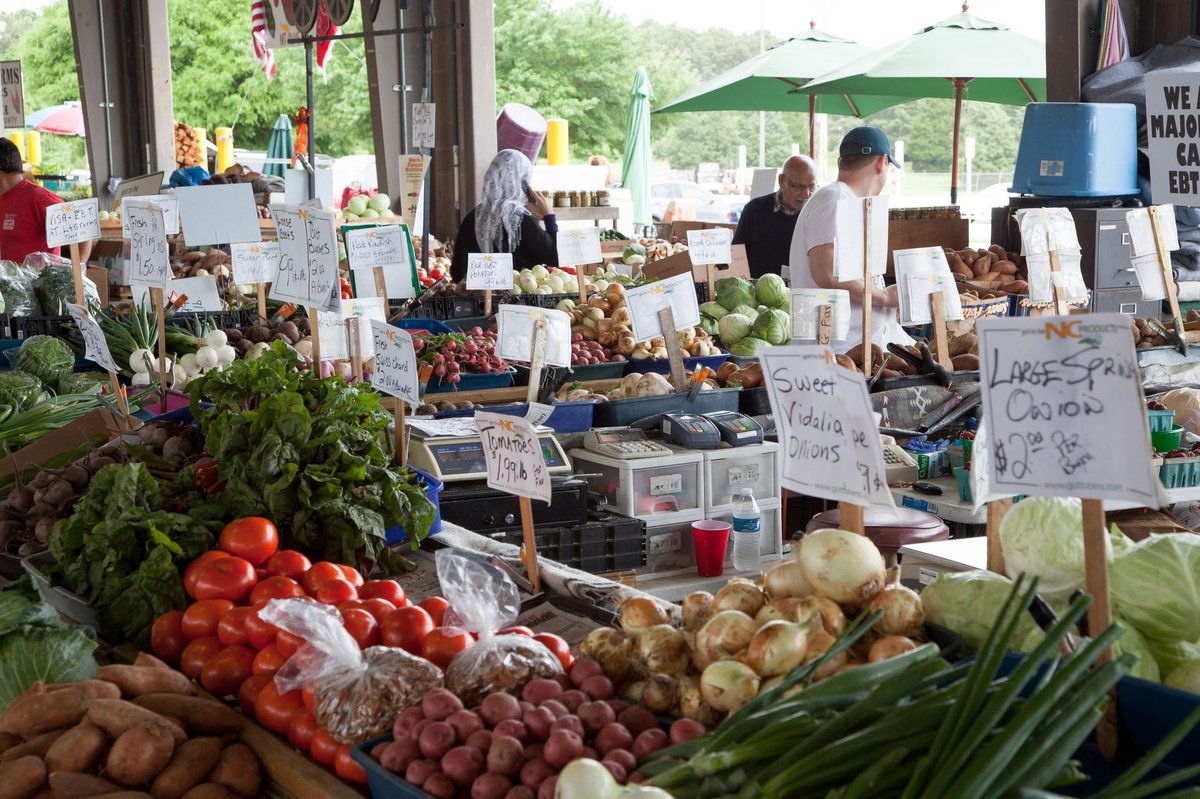
Oakwood, with its Victorian streets just east of downtown, and the Warehouse District's loft-and-gallery blocks each add their own texture to the wider brunch picture, though neither runs the same volume of dedicated brunch spots as Glenwood South, Five Points or North Hills. Mornings free for a different kind of stop before or after brunch are well spent at the NC State Farmers Market on the west side of the city, worth the short drive for produce, baked goods and a completely different pace than any restaurant row in town.
And any honest guide to brunch in the Triangle has to acknowledge that Raleigh isn't the whole story. Durham's brunch scene has its own identity, built around a different restaurant history and a different relationship to downtown revival, and Chapel Hill's is shaped by the university calendar in ways Raleigh's isn't. Treating Raleigh, Durham and Chapel Hill as three distinct scenes rather than interchangeable options is worth doing on a free weekend spent trying to understand brunch across the Triangle rather than just in one corridor. For a broader sense of what else fills a weekend in the city beyond the plate in front of you, a look at a weekend in Raleigh rounds out the picture.
An appetite for Glenwood South that carries past breakfast is well served by the corridor's evening identity, worth exploring on its own terms. Glenwood South's dinner scene runs on a different rhythm than its Saturday mornings, but it draws from the same kitchens and the same neighborhood energy.
Brunching solo, as a couple, or with a crowd
The size of your party changes what a good Glenwood South brunch looks like almost as much as which restaurant you pick. A solo diner or a couple can slide into bar seating at most spots along the corridor, skip the wait entirely, and get a front-row view of the room's energy without needing a table. Doing that is often the fastest and, honestly, most entertaining way to experience this neighborhood's brunch scene, since the bar is where the staff's personality tends to come through most clearly.
Larger groups face a different set of trade-offs. Big tables take longer to seat, longer to order from, and longer to turn, which means restaurants often push large parties toward slower windows or require the whole group to arrive together before being seated at all. Groups of six or more should call ahead rather than assuming a walk-in wait will work the same way it would for two people, and be upfront with the whole group about the bottomless drink window if one is in play, since a slow-arriving group can burn through a chunk of that window before everyone's even ordered.
A short checklist for finding the best brunch in Glenwood South
Decide on Southern or new-American before you look at a single menu, since the corridor genuinely offers both and mixing your expectations leads to disappointment either way. Check whether a spot takes reservations or waitlists only, and join early if it's the latter. Confirm the bottomless window before you order the first round, not after. Favor patio seating if the weather cooperates, since it's the fullest expression of what this neighborhood does differently from the rest of Raleigh. Plan to walk rather than drive if you're staying anywhere near the corridor, and build in a loose afternoon plan rather than a tight schedule, because a good Glenwood South brunch has a way of running long once the second round of drinks arrives.
None of that requires picking a single "best" restaurant, because the corridor's strength isn't one standout kitchen. It's a whole strip of restaurants that understood, earlier than most of Raleigh, that brunch could be an extension of a night out rather than a separate occasion entirely. The real answer to what makes the best brunch in Glenwood South worth seeking out is exactly this, and it's the kind of thing you only fully understand by walking the strip on a Saturday morning and watching the corridor wake up for itself.