Things to Do in Glenwood South: The Local Guide
A block-by-block, hour-by-hour walk through Raleigh’s downtown nightlife corridor, from the first patio table of the evening to the last band packing up its gear.
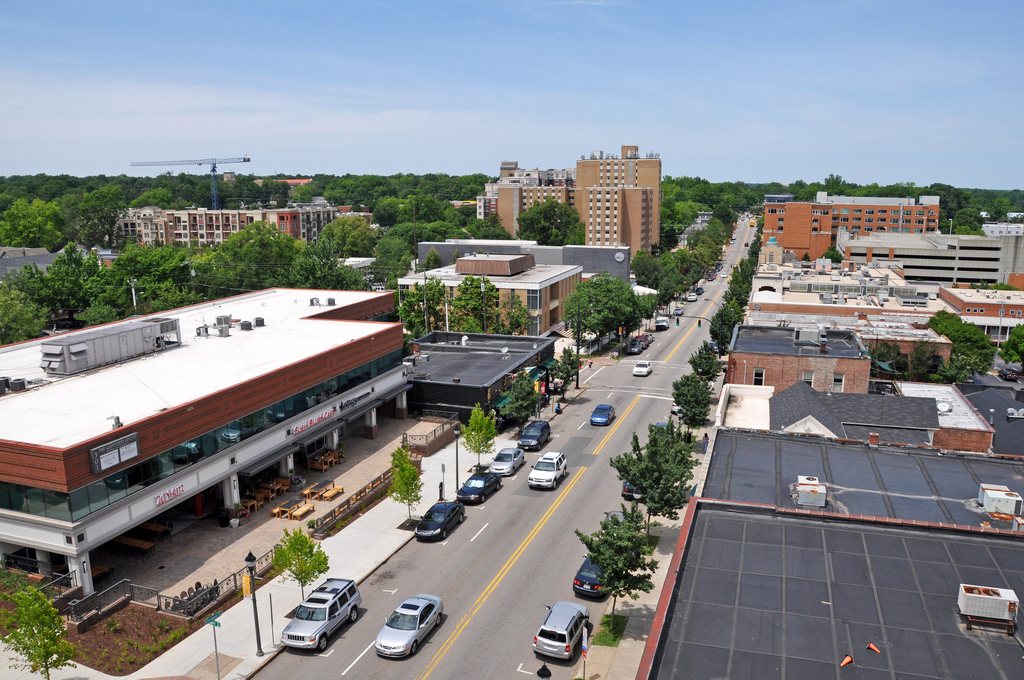

On a Wednesday evening in late spring, the patios along Glenwood Avenue start filling up before the light has even started to go gold. A hostess props open a gate with a rubber wedge. A bartender wheels a keg across the sidewalk, timing the gap between a couple walking their dog and a group of coworkers still in their badge lanyards, laughing too loud for happy hour. Ask five different Raleigh people for their list of things to do in Glenwood South and you will get five different nights, which is more or less the whole point of the corridor. It is not one bar or one restaurant. It is a stretch of downtown Raleigh, roughly a half mile of Glenwood Avenue and its side streets, dense enough to walk end to end and varied enough that nobody does the same night twice.
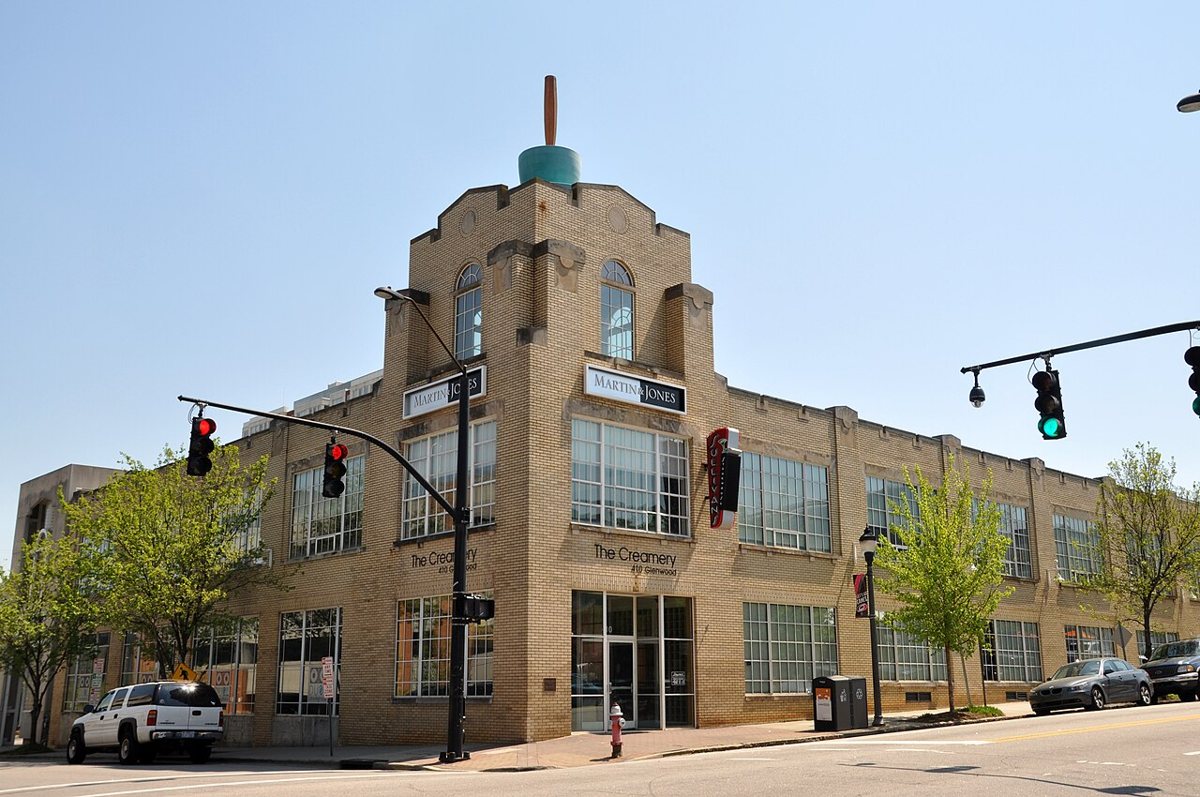

What makes the corridor work is geography as much as anything else. Glenwood South sits close enough to the State Capitol grounds and Moore Square that a dinner here can turn into a downtown walk without anyone needing to move a car, and close enough to the Warehouse District that a night that starts with cocktails can end at a gallery opening or a late show in a converted loft space. It rewards people who show up without a fixed plan and a good pair of walking shoes more than it rewards people chasing one specific address.
Late Afternoon on the Patios
The corridor's defining hours are the ones between five and eight, when the sidewalks are still warm from the day and every patio along Glenwood Avenue has at least a few open seats before the dinner rush claims them. This is patio country. Railings strung with café lights, sidewalk tables angled to catch whatever breeze the street offers, a bar's front windows folded all the way open so the inside and outside blur into one room. Regulars treat this stretch the way other cities treat a beer garden: you pick a patio based on who you are meeting and how loud you want the night to get, not based on loyalty to one particular spot.
Patio-Hopping Down Glenwood Avenue
The move that regulars make, and that visitors should copy, is to treat the first two hours as a crawl rather than a commitment. Have one drink somewhere up high, a rooftop or a balcony, so you get the long view down the avenue, then walk two blocks and land somewhere lower and louder for the second round. The corridor is compact enough that this costs almost no time and it lets you feel the difference between the mellow end near the older brick storefronts and the busier stretch closer to downtown, where the crowd skews younger and the music comes up in volume as the sun goes down. Insider tip: weeknights, especially Tuesday and Wednesday, are when Glenwood South shows its best side, with real seats available and bartenders who have time to talk. Weekends after ten belong to a louder, younger crowd, which is its own kind of fun but a different kind of outing.
The Brewery Question
People new to Raleigh sometimes assume the city's serious brewery scene lives on Glenwood Avenue itself, and it mostly does not. The heavy hitters that built Raleigh's beer reputation sit a short drive or rideshare from the corridor, which is worth knowing before you plan an evening around finding a taproom on foot. What Glenwood South offers instead is a handful of bars pouring a rotating list of North Carolina beer alongside cocktails, which is plenty for a night that is really about the walk and the company. For a proper brewery crawl, treat it as a separate outing, maybe an afternoon before you head back downtown for dinner. Anyone building out a full weekend should bookmark a good local brewery for that half of the trip.
A Proper Dinner Stroll Through Glenwood South
Dinner is where the corridor earns its reputation beyond nightlife. Within a few blocks you can find a serious steakhouse, a wine-forward small-plates spot, Southern cooking with a modern edit, sushi counters, Italian rooms with exposed brick, and quick, excellent tacos or noodles for the nights when you want good food without the full sit-down production. The range is the point. A couple can start with oysters somewhere polished, and a group of eight can still find a table at a louder, more casual room fifteen minutes later.
Pick Your Cuisine, Then Pick Again
The smartest way to eat Glenwood South is to walk before you decide. Menus are usually posted in the window or easy to pull up on your phone while you stroll, and because so many kitchens sit within a few doors of each other, comparing three options costs you five minutes, not thirty. Longtime regulars tend to save the corridor's higher-end rooms for a real occasion and lean on the casual counters for a Tuesday dinner, then flip that logic on a date night. If you want a broader survey of the city's dining beyond this one strip, a downtown dinner is worth researching separately, since Glenwood South is only one chapter of Raleigh's restaurant story.
Reservations, Walk-ins, and the Wait
Reservations make sense for the corridor's more polished restaurants, especially on weekends, but a large share of Glenwood South still runs on walk-ins. Expect a wait at the popular spots on Friday and Saturday nights and expect almost none of that on a weeknight. When a host tells you forty-five minutes, that is usually your cue to grab a drink at the bar next door rather than stand around, since you will hear your name called from two doors down without any trouble. Evenings tend to run later here than in most Raleigh neighborhoods, so a nine o'clock dinner reservation is completely normal rather than a stretch.
Where the Live Music Lives
Glenwood South has always had a music component, small rooms rather than arenas, the kind where a local cover band or a touring act plays close enough that you can see the set list taped to the stage floor. This is not the corridor's only music option either. A short walk gets you into the Warehouse District proper, where converted industrial buildings host bigger touring acts and DJ nights in rooms with real sound systems and higher ceilings.

Small Rooms, Big Sound
The appeal of the corridor's music venues is scale. You are close to the stage no matter where you stand, and the bar is a few steps away, so the whole thing feels like a neighborhood event even when the band is genuinely good. Cover charges, when they exist, tend to be modest, and a lot of the best nights cost nothing beyond a drink or two. Insider tip: check what is playing before you commit to a full evening there, since the lineup swings between cover bands, local original acts, and the occasional bigger name passing through, and the crowd each one draws is different.
Dancing After Dark
Once the dinner crowd thins out, a handful of rooms along the corridor shift into dance floors, and this is where Glenwood South earns its reputation as Raleigh's most concentrated nightlife stretch. It leans younger and louder after eleven, with DJs instead of bands and lines forming outside the busiest doors on weekends. When that is not your speed, the corridor's quieter cocktail rooms stay civilized well past midnight, so the late-night option is really a choice rather than an obligation.
The Morning After: Brunch and a Slower Pace
Glenwood South does not shut down when the bars close. A good number of its restaurants reopen for weekend brunch, and the same patios that were full of cocktail crowds the night before fill back up with people in sunglasses working through coffee and biscuits. It is a genuinely different neighborhood in daylight, slower and calmer, with more families and dogs around and far less bass coming through the windows.
Brunch Without the Line
Weekend brunch here draws a real wait at the most popular spots, so arriving early or splitting the difference and going mid-afternoon avoids most of it. Expect the usual Southern-leaning brunch staples alongside more contemporary plates, and expect a mimosa or bloody mary program at almost every table around you. Insider tip: a weekday breakfast or late coffee run gets you the same charming patios with none of the weekend crowd, and it is honestly the version of Glenwood South that longtime locals prefer.
Coffee and a Walk
Independent coffee shops are tucked into the corridor between the bigger restaurant footprints, and pairing a coffee with a slow walk down Glenwood Avenue before the neighborhood fully wakes up is one of the better free things to do here. The street looks entirely different at nine in the morning than it does at eleven at night, quieter and sunnier, easy to actually notice the architecture instead of the neon.
Things to Do in Glenwood South Beyond the Bars
The corridor gets typecast as pure nightlife, but plenty of things to do in Glenwood South have nothing to do with a drink menu. Boutique shops, home goods stores, and a few galleries sit at street level between the restaurants, easy to miss at night and worth a return visit during the day. A slow afternoon here, browsing shop windows and stopping for coffee, is a completely legitimate way to spend a few hours, especially for visitors who want to see the neighborhood without the crowd noise.
Daytime Shops and Galleries
Daylight hours reveal a retail mix that skews toward independent owners rather than chains, gifts and home décor and a rotating cast of small storefronts that change more often than the restaurants around them. None of it takes long to see, which makes it an easy add-on before or after a meal rather than a destination on its own. Treat it as the connective tissue of a Glenwood South day, the thing you do while deciding where to eat next.
Walking Toward the Warehouse District
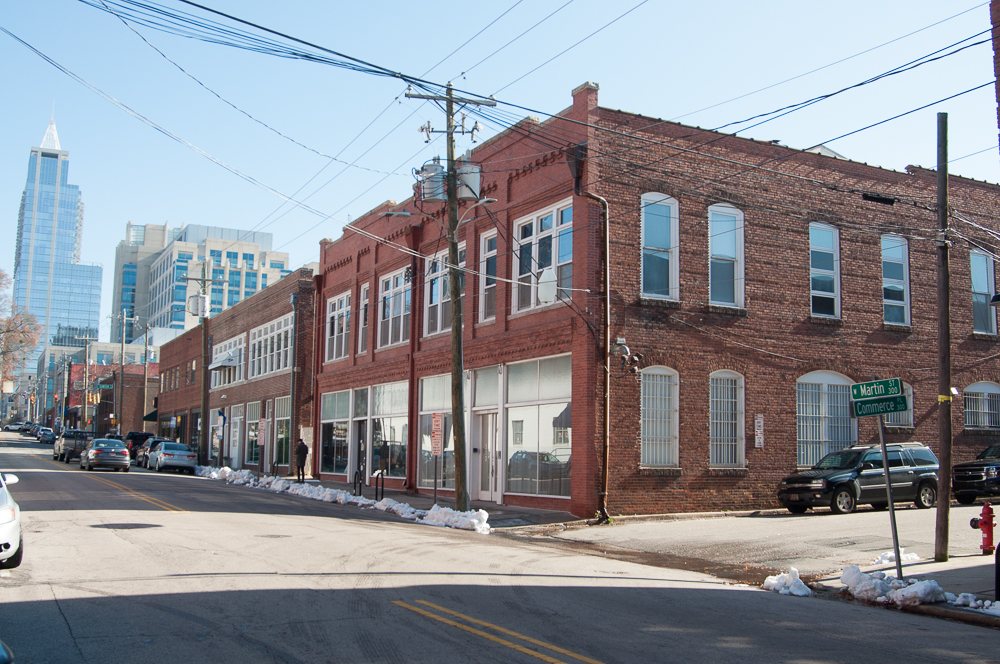
South and east of the main strip, Glenwood Avenue's restaurant density gives way to the brick warehouses and rail-adjacent blocks of Raleigh's arts and music district. The walk between the two takes ten or fifteen minutes on foot and it is one of the better free things a visitor can do, since the shift in architecture alone tells you something about how downtown Raleigh grew up around old industry and rail lines.
Once you are there, the draw is a mix of galleries, converted loft buildings, and Raleigh's contemporary art museum, all set among the kind of exposed-brick industrial architecture that the corridor itself largely lacks. Openings and gallery walks happen on a regular but changing schedule, so it is worth checking what is on before you go rather than assuming a specific night. The museum itself, generally an easy and often free stop depending on current programming, anchors the district and gives the whole area a reason to exist beyond nightlife.
The Ten-Minute Walk to Downtown's Green Spaces
Glenwood South's other advantage is that it sits close enough to downtown Raleigh's two signature squares that either one makes an easy bookend to a night out or a pleasant morning walk. Nash Square, the older and quieter of the two, is a shaded, formal green space that locals cut through more than linger in, but it is a nice antidote to a loud patio if you need ten quiet minutes.
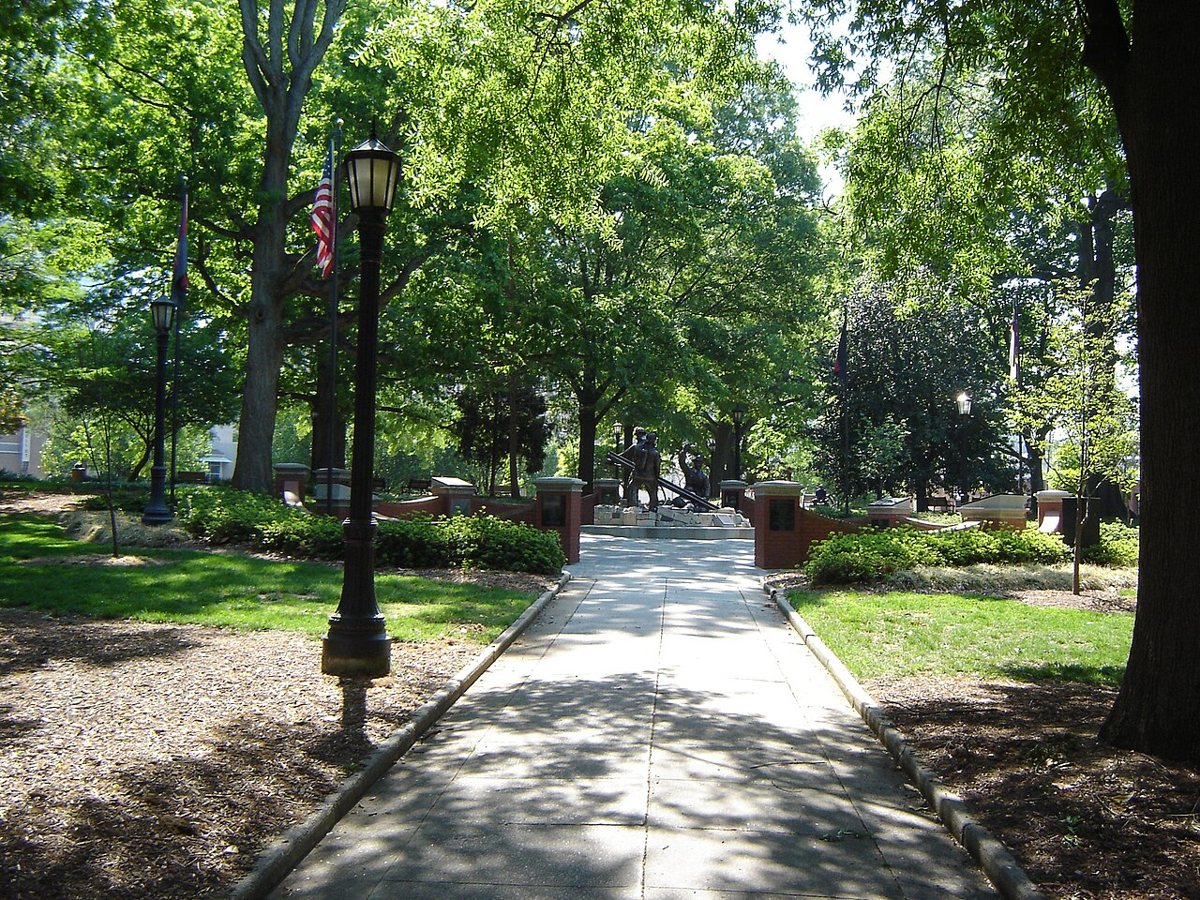

Moore Square, a little farther east, does more of the heavy lifting as a public gathering space, with regular events, a skate-friendly design, and a location that puts you within walking distance of the rest of downtown's restaurant and shopping scene. Combining a Glenwood South dinner with a walk to Moore Square afterward is a classic Raleigh evening, one that costs nothing beyond the meal itself and gives visitors a real sense of how compact and walkable this part of the city actually is.

The State Capitol and the Civic Core
Keep walking past the squares and you land on the grounds of the North Carolina State Capitol, the building that in many ways explains why downtown Raleigh looks the way it does. The grounds are open and free to walk, well-kept and dotted with monuments, and quiet enough at most hours that they feel almost private compared to the corridor you just came from.
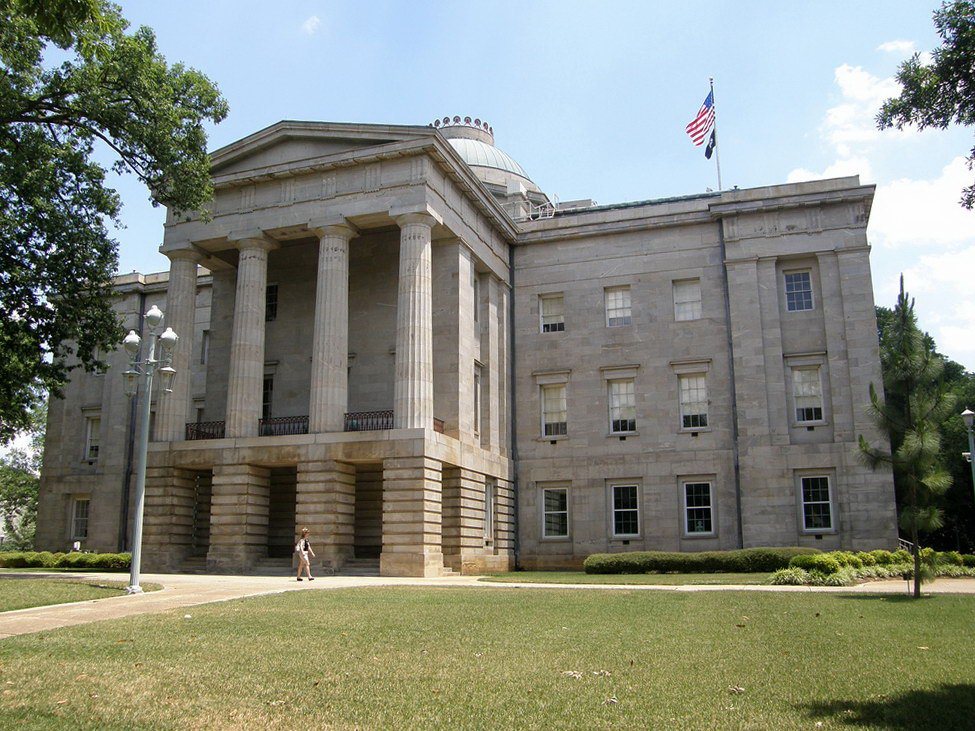

This is not a nightlife stop, obviously, but it belongs on any honest list of things to do near Glenwood South because it is genuinely walkable from the corridor and it gives context to a city that grew up around state government long before the tech money and universities reshaped it. Locals mostly come here during the day, on a lunch break or a weekend stroll, rather than folding it into an evening out.
Worth the Extra Trip: Dix Park, Red Hat, and the Museums
A few of Raleigh's biggest attractions sit just outside comfortable walking distance from Glenwood South, close enough that a rideshare or a short drive makes them a reasonable extension of a longer visit, especially for anyone spending a full day or weekend downtown rather than just an evening.
Dorothea Dix Park
Dorothea Dix Park, the sprawling former hospital campus turned public park just south of downtown, is the closest thing Raleigh has to a signature green space, hundreds of open acres with skyline views back toward the buildings you just left. It is an entirely different kind of Raleigh experience from the corridor, best done in daylight, and usually free to visit.

Red Hat Amphitheater and the Rail Corridor
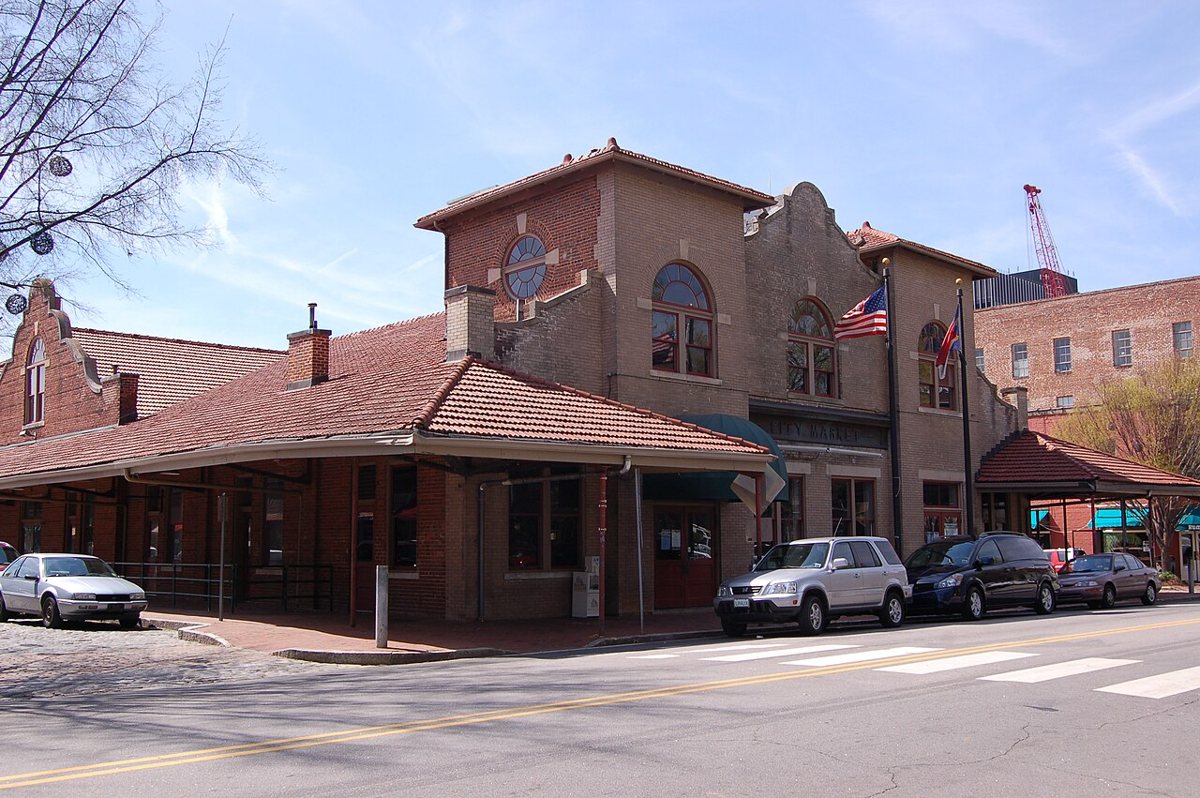
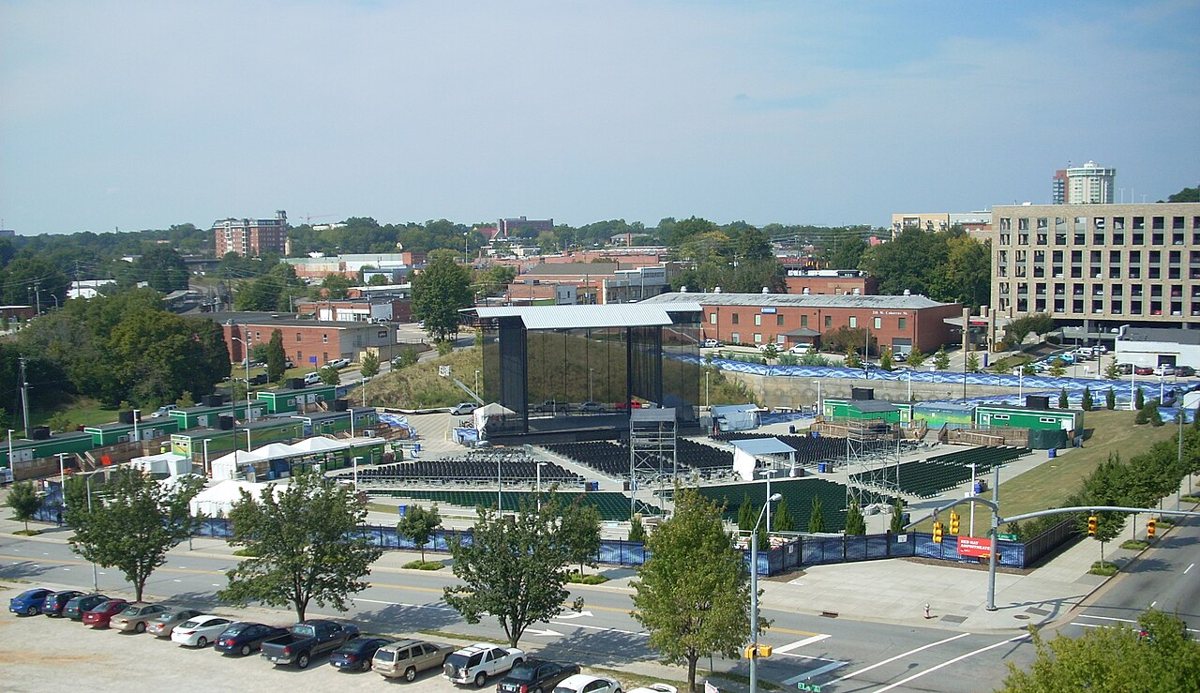
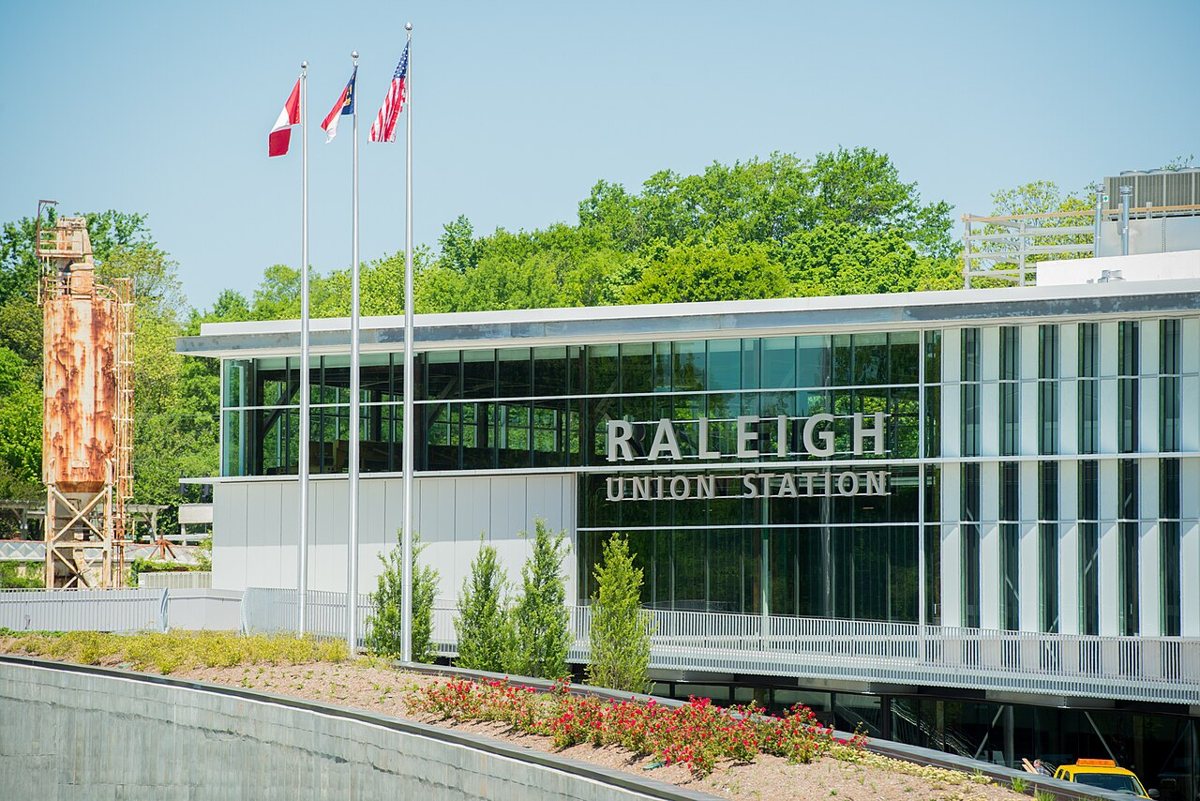
Closer to downtown proper, Red Hat Amphitheater hosts outdoor concerts through the warmer months and sits near Raleigh Union Station, the city's restored rail depot and a good example of how downtown has folded old infrastructure into new development. Neither requires an event to be worth a look. The amphitheater's plaza and the station's architecture are both worth a short detour on a walk between Glenwood South and the rest of downtown.


The North Carolina Museum of Art
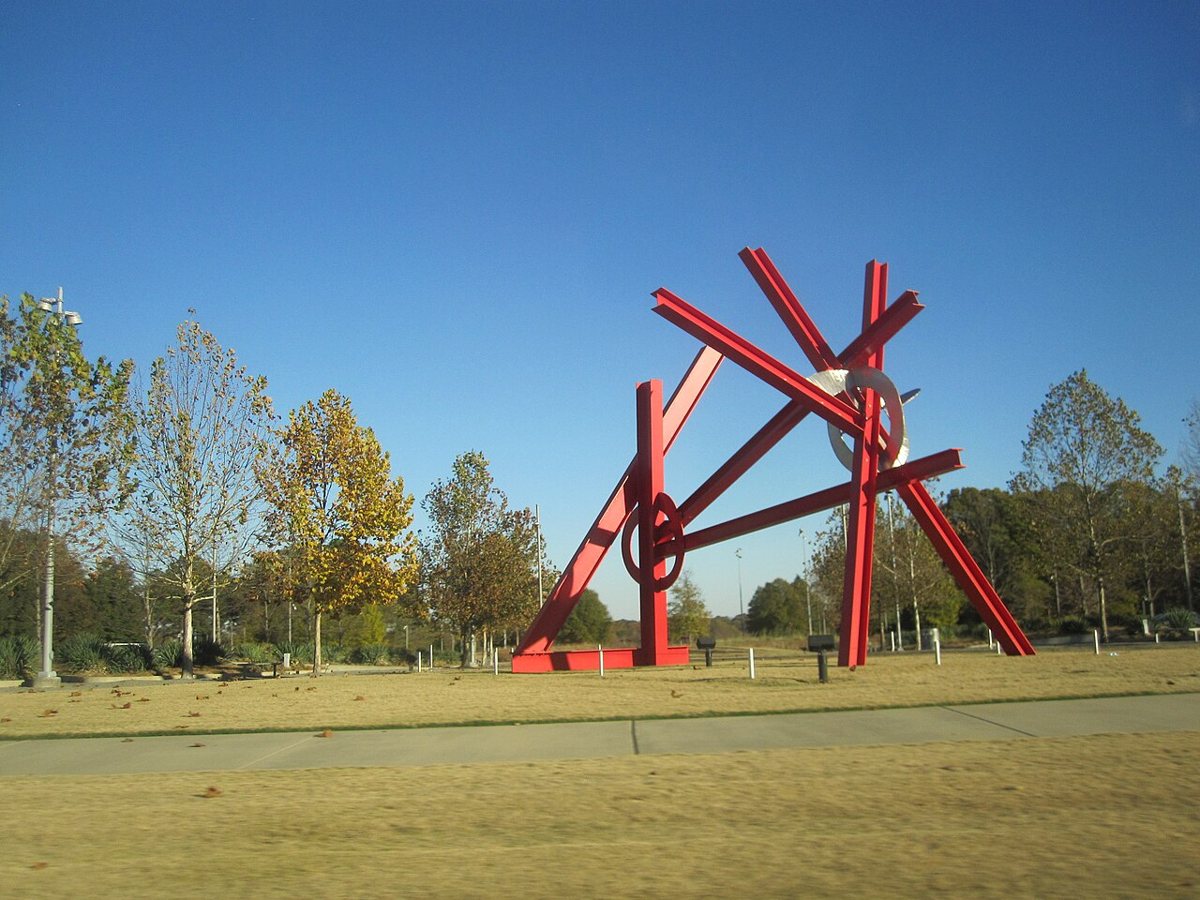
A little farther out, the North Carolina Museum of Art rewards visitors willing to make it a dedicated stop rather than an afterthought, with a large permanent collection and, weather permitting, outdoor film screenings on its museum park grounds that have become a genuine summer tradition for locals. It requires a car or rideshare from Glenwood South, but it rounds out a visit for anyone spending more than a single evening in Raleigh.

Who Glenwood South Is Really For
The corridor flexes to fit whoever shows up, which is part of why it stays busy on nights when other parts of downtown quiet down.
- Couples on a date night find plenty of options for a quiet dinner followed by a slow walk toward the squares.
- Groups celebrating something loud, a birthday or a bachelorette weekend, gravitate toward the corridor's busier patios and late-night rooms.
- Out-of-towners staying downtown appreciate that almost everything worth doing is within walking distance, no car required for an entire evening.
- Solo visitors do well here too, since bar seating is plentiful and bartenders along the strip are used to striking up conversation with someone eating or drinking alone.
Locals who have lived here through the Triangle's fastest growth years sometimes grumble that Glenwood South has gotten more crowded and more expensive than it used to be, and they are not wrong. It has also gotten more interesting, with a wider range of food and a music scene that did not exist in the same form a decade ago. Both things are true at once, which is a pretty fair description of Raleigh generally right now.
Getting Around, Parking, and Timing
Glenwood South rewards planning around parking more than almost any other part of Raleigh. Street parking exists but disappears fast on weekend nights, and several surface lots and a parking deck serve the corridor, generally with posted evening rates that are worth checking on arrival rather than assuming. Rideshare is genuinely the easiest option for a night that involves more than one or two drinks, and drop-off along Glenwood Avenue is simple since the corridor is short and well lit.
Timing matters more than people expect. Early evening, before seven, is calm enough for an easy dinner with no wait. Prime time, roughly eight to midnight on Friday and Saturday, is the corridor at its loudest and most crowded, great if that is the energy you want, frustrating if it is not. Weeknights split the difference nicely, busy enough to feel lively, calm enough to actually hear the person across the table. Most of the corridor is walkable end to end in under fifteen minutes, so there is rarely a reason to move a car between stops. And a genuinely free evening is entirely possible here: walk the strip, browse a few shop windows, sit in Nash Square or Moore Square, and skip the tab altogether if that is the goal.
The Local's Verdict
Glenwood South is not trying to be a quiet neighborhood, and treating it that way misses what it does well. It is Raleigh's clearest answer to the question of where to go when you want options within walking distance, a place built for indecision in the best sense, where changing your mind about dinner or music or where to end the night costs you a two-block walk instead of a car ride. What keeps bringing people back is not any single bar or restaurant, since those come and go the way they do in any growing city. It is the density, the fact that a good night here can start as one plan and end as an entirely different one without anybody having to leave the neighborhood. That is worth more than any single recommendation this guide could give you.