Spring Things to Do in Raleigh: A Local's Guide
A local's field guide to the six or so weeks when Raleigh's parks, patios and museum lawns are at their best, from redbuds at Dix Park to the first Saturday crowds at the farmers market.
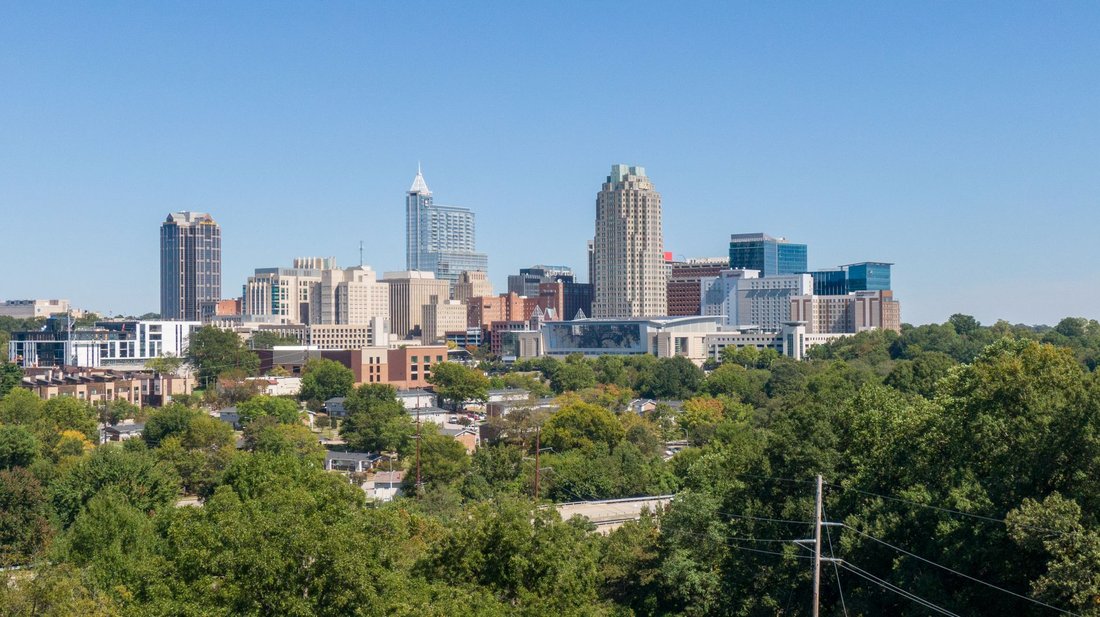
By late March, the hill at Dorothea Dix Park fills in fast. Dog walkers cut diagonal paths through grass still damp from a morning rain, a couple of NC State students spread a blanket near the crest, and somebody's toddler chases a kite that never quite gets airborne. The redbuds along the tree line go from bare branches to a wash of purple-pink in what feels like a single week, and for a stretch the downtown skyline looks closer than it does in July's haze. This is when spring things to do in Raleigh multiply fast. The parks green up, the farmers market gets crowded again on Saturday mornings, and the patios along Glenwood South fill before the after-work rush even starts. Winter here is mild by most standards, but spring is when this city actually moves outside, and it rewards a little planning.
Raleigh's spring runs long and uneven, the way it does across the Triangle. A warm February can trick the redbuds into an early start, then a cold snap in March pushes everything back a week or two. Nobody who lives here tries to pin a bloom to a calendar date. What follows is organized by what you're actually in the mood for, not by neighborhood, because half the point of a Raleigh spring is that you can chase blooms across three or four parts of town in a single afternoon. A lot of it costs nothing, which matters in a metro that's grown expensive fast.
This list leans on places longtime residents actually return to every year, not a generic roundup assembled from someone else's search results. Raleigh gets lazily compared to other fast-growing Southern cities more than locals would like, usually by people who never make it past the breweries downtown. The season that argues against that comparison hardest is this one. It's when the state government complex, the university campuses and the older streetcar neighborhoods all seem to green up on roughly the same schedule, and it becomes obvious how much of this city's character is tied up in its public land rather than any single strip of restaurants.
Spring Things to Do in Raleigh Start Outdoors
Dorothea Dix Park is the obvious starting point, and locals still don't entirely agree on what to call the open, rolling green space at its center. It's a former psychiatric hospital campus turned city park, more than three hundred acres of rolling hills and restored gardens just south of downtown, and in spring it does double duty as the best skyline-watching spot in Raleigh and the most reliable place to feel the season turn. The lawns catch full sun most of the day, so the grass and wildflower plantings green up here before shadier parks do. Walk or bike the main drive up from the Umstead entrance, then cut across to the hill facing downtown for the view that ends up on half the engagement photos taken in this city. The insider move is timing a visit for early evening, when the light goes gold on the skyline and the crowds from any daytime event have mostly cleared out. If you're up for a longer outing, the park's restored gardens near the old hospital buildings are worth a slower loop on foot, and there's enough open lawn that you can usually find a quiet corner even on a packed Saturday.


The JC Raulston Arboretum, tucked into NC State's campus off Beryl Road, is where Raleigh gardeners actually go to see what's coming into bloom. It's a working research garden run by the university, free to walk through, and organized into smaller themed gardens rather than one sweeping lawn. Its peak season is spring, by a wide margin. Flowering cherries and magnolias hit their stride here alongside a long run of perennial beds, generally starting in March and building through April and into May depending on the year. Because it's a teaching garden, almost everything is labeled, so if you've ever wanted to know the name of a tree you keep seeing around your own block, this is where you find out. Go on a weekday morning if you can. Weekends bring photographers staking out the flowering trees, especially once the word gets around that peak bloom has arrived.
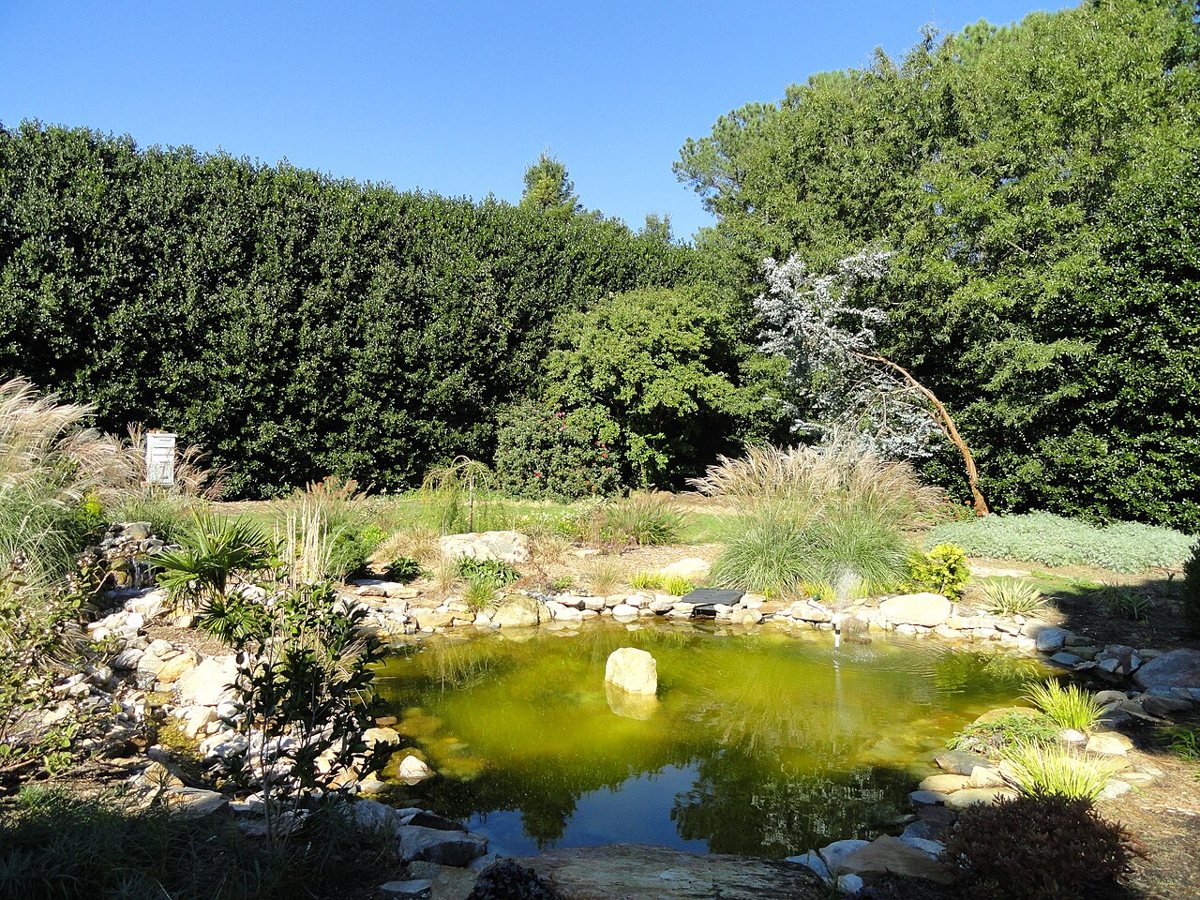

The Raleigh Municipal Rose Garden, just off Umstead Park near Anderson Point, is smaller and easy to miss if you're not looking for it, which is part of its appeal. Roses themselves peak more in late spring into early summer, but the garden's structure, its brick paths, its adjoining rock garden and small amphitheater, makes it worth an early visit before the blooms are even at their fullest, especially paired with a walk along nearby Crabtree Creek. It's the kind of spot a lot of longtime residents drive past for years before finally stopping in. There's rarely a crowd here even on a warm Saturday, which makes it a good option if the bigger parks feel like too much of a scene.
Water, Woods and Wide Open Trails
William B. Umstead State Park sits between Raleigh and the airport, more than five thousand acres of pine and hardwood forest with three lakes and a network of hiking and mountain biking trails. The best window to hike it is spring, before summer humidity sets in and while the understory is still flush with new green rather than the tangled overgrowth of August. Big Lake and Sycamore Lake anchor the park's main access points, and the trails around them range from flat and stroller-friendly to genuinely rugged for a metro-area park. Locals tend to pick one entrance and stick with it, so if you've only ever gone in from the Reedy Creek side near Raleigh, try the Crabtree Creek entrance off Highway 70 for a different feel entirely. Bring water even on a mild day, since tree cover can trick you into underestimating how far you've walked. Mountain bikers tend to favor the trails off the Reedy Creek entrance, while families with younger kids usually stick closer to the lakeshore paths near Sycamore Lake, where the grade stays flat and the loop back to the parking area is short.
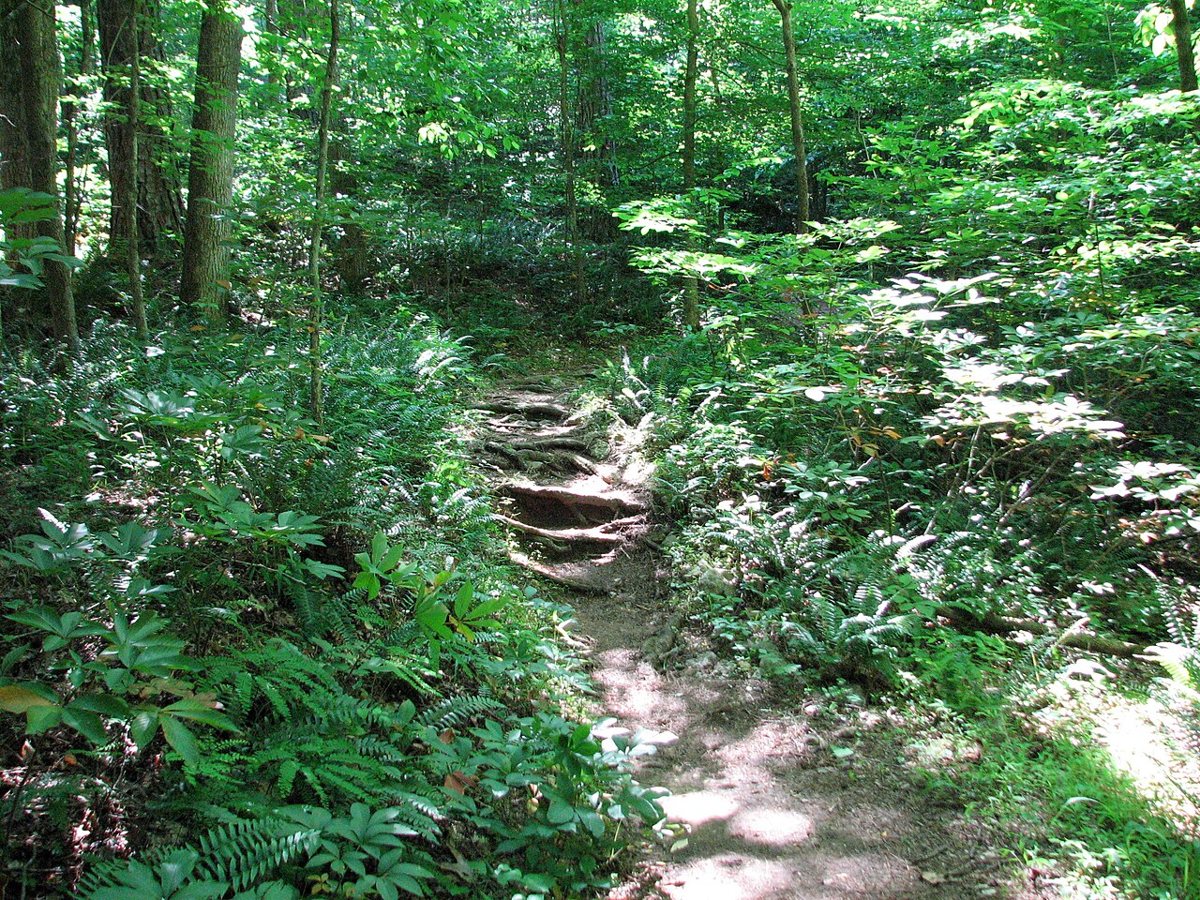

Lake Johnson Park, closer in on the city's southwest side, is a smaller and more manicured alternative, built around a reservoir with a paved loop trail that's popular with runners, stroller-pushing parents and anyone who wants a workout without driving out toward the airport. The paddleboats and canoe rentals come back out in spring, along with the geese, who reliably nest around the water's edge this time of year and will absolutely let you know if you've gotten too close. The full loop trail runs a few miles and connects into Raleigh's larger greenway system, so it's easy to extend a walk if the weather's good. Parking fills quickly on the first properly warm Saturday of the year, so an early start or a weekday evening lap is the more reliable option.
Historic Yates Mill County Park, on the city's south side, centers on a restored 18th-century gristmill still turning on its pond, one of the last of its kind in North Carolina. The park around it has quiet wooded trails and a nature center, and spring wildflowers along the pond edge make it a good pick for a slower, less crowded outing than the bigger parks get. It rarely shows up on out-of-towners' lists, which is exactly why locals like it.
The Neuse River Greenway is Raleigh's spine trail, a paved path that runs for miles along the river on the city's east side and connects into the broader Capital Area Greenway network that laces through nearly every part of town. The greenway system gets its heaviest local use in spring, since the leaves haven't fully filled in yet, keeping the trail cooler and letting more light through, and the bugs haven't arrived in force. Pick any access point near you and you'll find a stretch of it; regulars tend to have a favorite segment near their own neighborhood rather than treating it as one destination. The stretch near Anderson Point Park, close to the Rose Garden, is a good starting point if you've never ridden or walked it before, and it links up eventually with trail miles that reach toward Falls Lake to the north.

Museums and Indoor Culture for Rainy Spring Days
A Raleigh spring isn't all sunshine. A run of gray, rainy days in March or April is normal, and that's when the city's museum cluster around Bicentennial Plaza downtown earns its keep. Most of Raleigh's major museums are state-run and free to enter, which is unusual for a city this size and worth building a rainy-day plan around. The spring break weeks bring heavier weekday crowds to all three, mostly school groups on field trips, so if you can visit outside that stretch the galleries feel far less crowded.
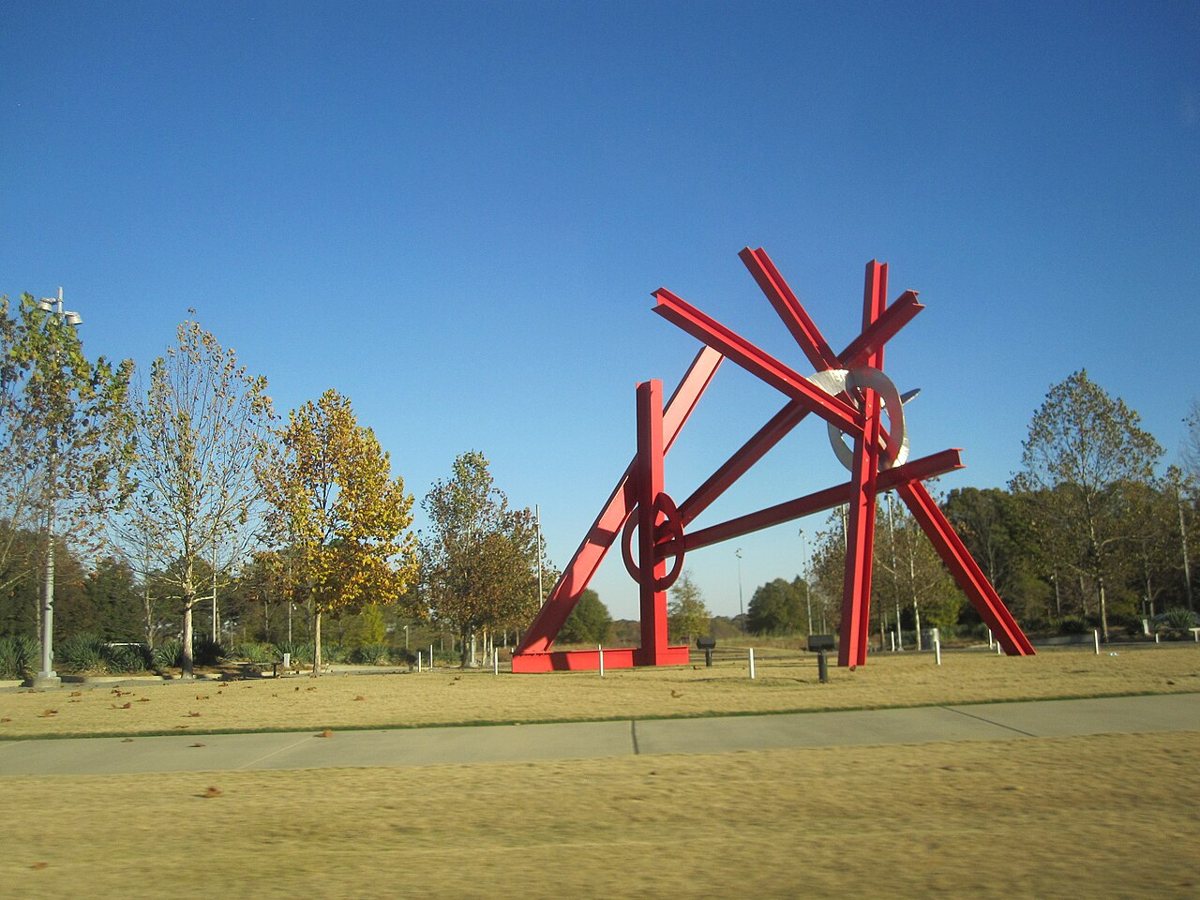
The North Carolina Museum of Art, a few miles west of downtown, pairs its indoor galleries with its outdoor Museum Park, a large sculpture park with walking trails that comes alive in spring once the ground dries out and wildflowers move in along the paths. The museum's outdoor amphitheater also hosts a film series later in the year, but even outside of any scheduled program, the park itself is worth the visit on its own, with large-scale sculpture set into open meadow and wooded trail. Spend an hour inside with the permanent collection, then walk the park loop while the light is still good. Parking is plentiful and free, which isn't something you can say about every part of Raleigh. The park's trail network is long enough that a single visit rarely covers all of it, so regulars tend to pick a different loop each time rather than trying to see every sculpture in one pass.

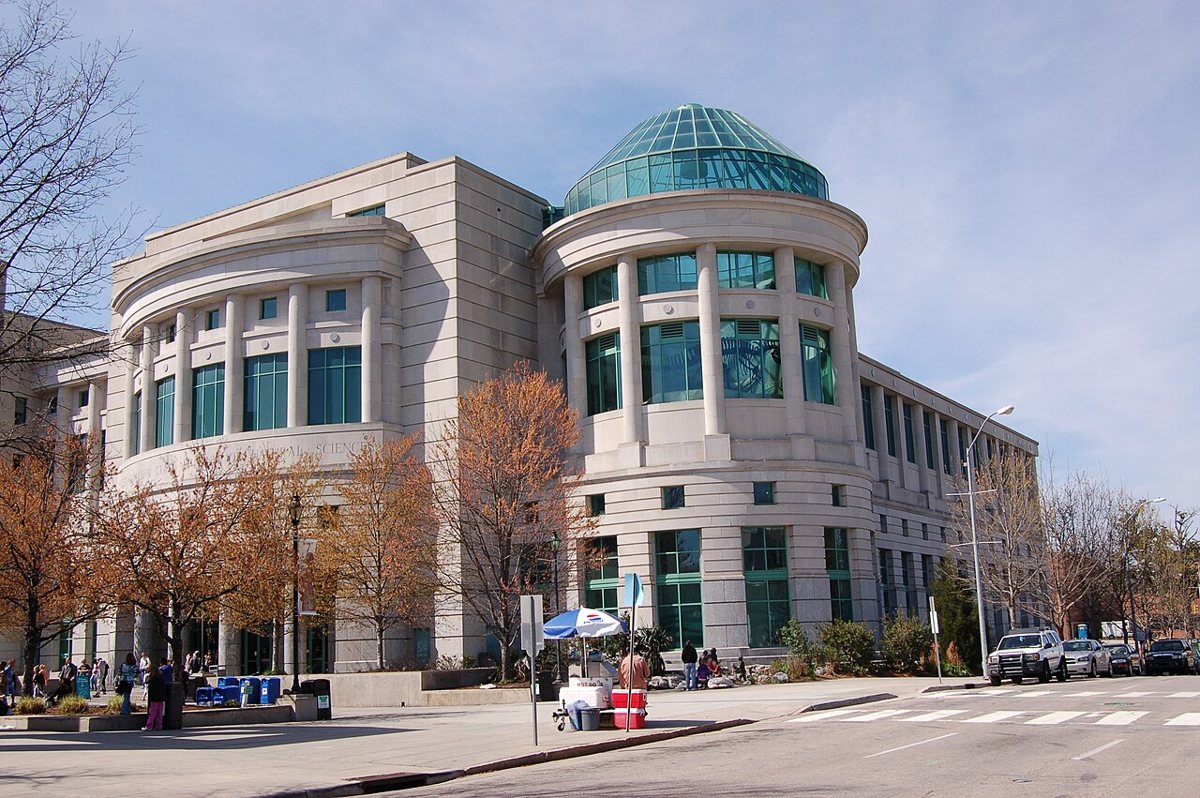
The North Carolina Museum of Natural Sciences sits right downtown and is free, which makes it one of the easiest wins in the city on a day when the weather can't decide what it's doing. It covers everything from dinosaur skeletons to a live animal room to an entire wing devoted to North Carolina's own ecosystems, and it tends to draw school groups on weekday mornings during spring semester, so a weekday afternoon or a weekend visit is usually calmer. It's an easy pair with the Museum of History next door, since both sit along the same downtown plaza. The building itself spans several floors around a central atrium, and the top-floor exhibits on weather and the state's coastal ecosystems are worth the walk up if you're short on time and can only see part of it.

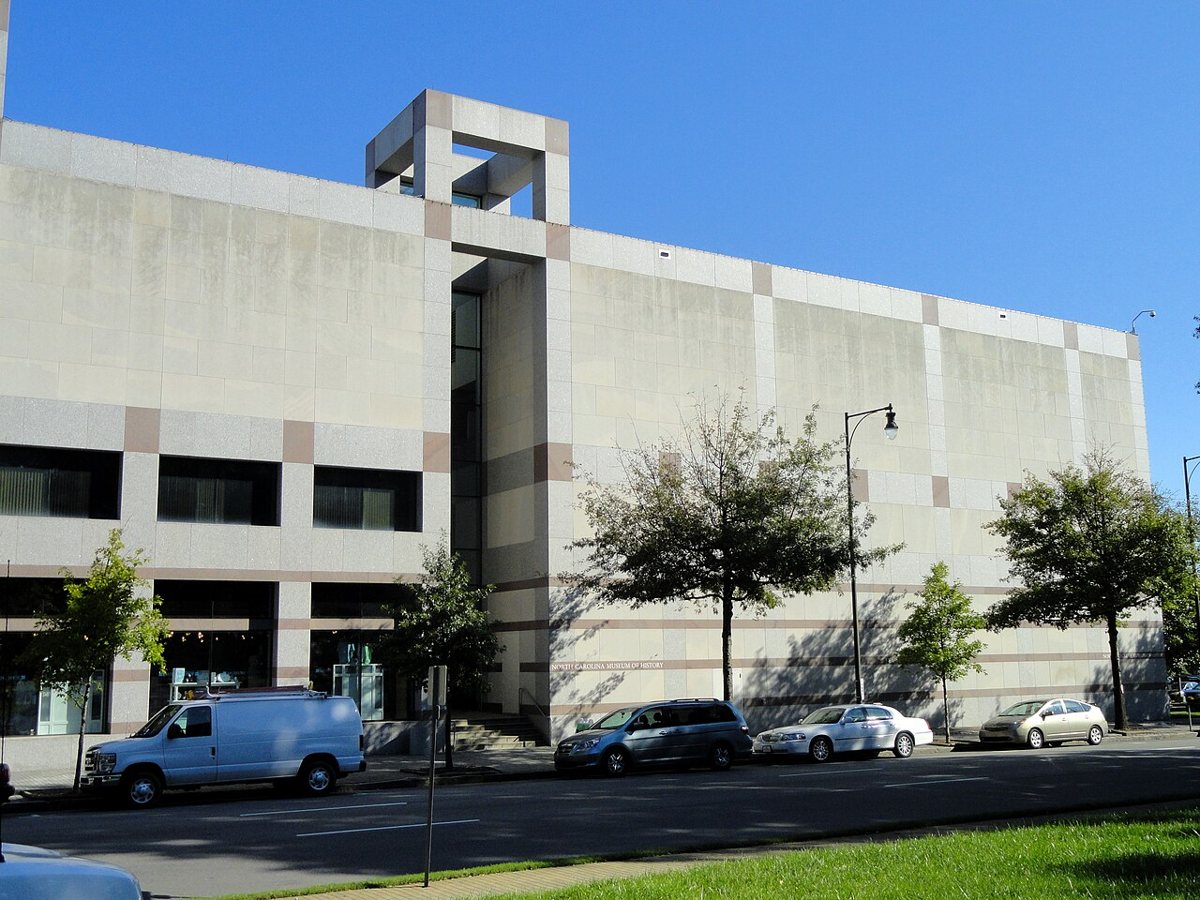
The North Carolina Museum of History, also free and also downtown, tells the state's story from before European contact through the 20th century, with exhibits that shift and rotate but a strong permanent collection covering Revolutionary and Civil War history, folk art and North Carolina's sports history. It's a quieter, less kid-focused counterpart to the science museum next door, and a good stop if you want context on the city and state before wandering the nearby State Capitol grounds, whose lawns and older trees are one of the better small green spaces downtown once the weather warms. Both museums sit an easy walk from each other and from Moore Square, so a downtown museum morning can turn into an afternoon without much extra planning.

Food, Markets and Where to Sit Outside
The NC State Farmers Market, off Lake Wheeler Road just south of downtown, is where Raleigh's spring produce shows up first, and locals treat a Saturday morning trip there as close to a ritual. The first strawberries, asparagus and greens arrive in spring, along with bedding plants and hanging baskets that seem to sell out of half the vendor stalls by mid-morning on a nice weekend. Beyond the produce sheds, the market has a seafood building and a restaurant that's been a breakfast stop for generations of Raleigh families. Get there early if you want first pick of anything seasonal, and bring cash, since some of the smaller stands still prefer it. Weekday mornings are far quieter than weekends if you'd rather browse without elbowing through a crowd, and the garden center sheds are worth a separate stop from the produce sheds since they draw a different crowd entirely.
Glenwood South and the Warehouse District downtown are where a lot of Raleigh's evening life plays out once patio weather arrives, dense blocks of restaurants, bars and Raleigh's growing brewery scene packed into old tobacco and produce warehouses. The outdoor seating fills back up in spring after a winter of huddling indoors, and it's a good season to work through the city's brewery lineup, which runs from long-established names to newer spots scattered through the district. If you want a weekend brunch spot with a patio, this stretch of downtown is the easiest place to find one without much planning. The Village District, the walkable retail and dining hub formerly known as Cameron Village, is a calmer, more suburban-feeling alternative if you'd rather browse shops between meals than bar-hop. Farther out, the older bungalow blocks of Five Points and the Victorian streets of Historic Oakwood are worth a slower drive or bike ride in spring purely for the yards and porches, since both neighborhoods have mature tree canopy and gardens that residents clearly take pride in.
Festivals and the Downtown Scene
Raleigh's festival calendar picks up noticeably once spring arrives, with Moore Square and the surrounding downtown blocks hosting a steady run of markets, music and community events as the weather cooperates. The lineup shifts year to year, so it's worth checking the city's event calendar and downtown Raleigh's own listings closer to your visit rather than relying on a fixed date, but the pattern holds: warmer weekends downtown almost always mean something is happening at Moore Square or nearby. It's also simply a good square to sit in on its own, recently rebuilt with new lawns and shade trees, a short walk from the museum district and Glenwood South alike. The Warehouse District, just west of the square, tends to host the smaller arts and music happenings, an old rail corridor of brick buildings that's become the city's live-music and gallery pocket, and it's worth a wander even on a night with nothing formally scheduled.
North Hills, the suburban retail and dining district north of downtown, is a different kind of spring stop entirely, more shopping-center-with-good-restaurants than historic district, but its outdoor plaza fills up with the same patio energy once the weather turns, and it's a reasonable stop if your visit has you staying closer to North Raleigh than downtown.
Kid-Friendly Spring Outings
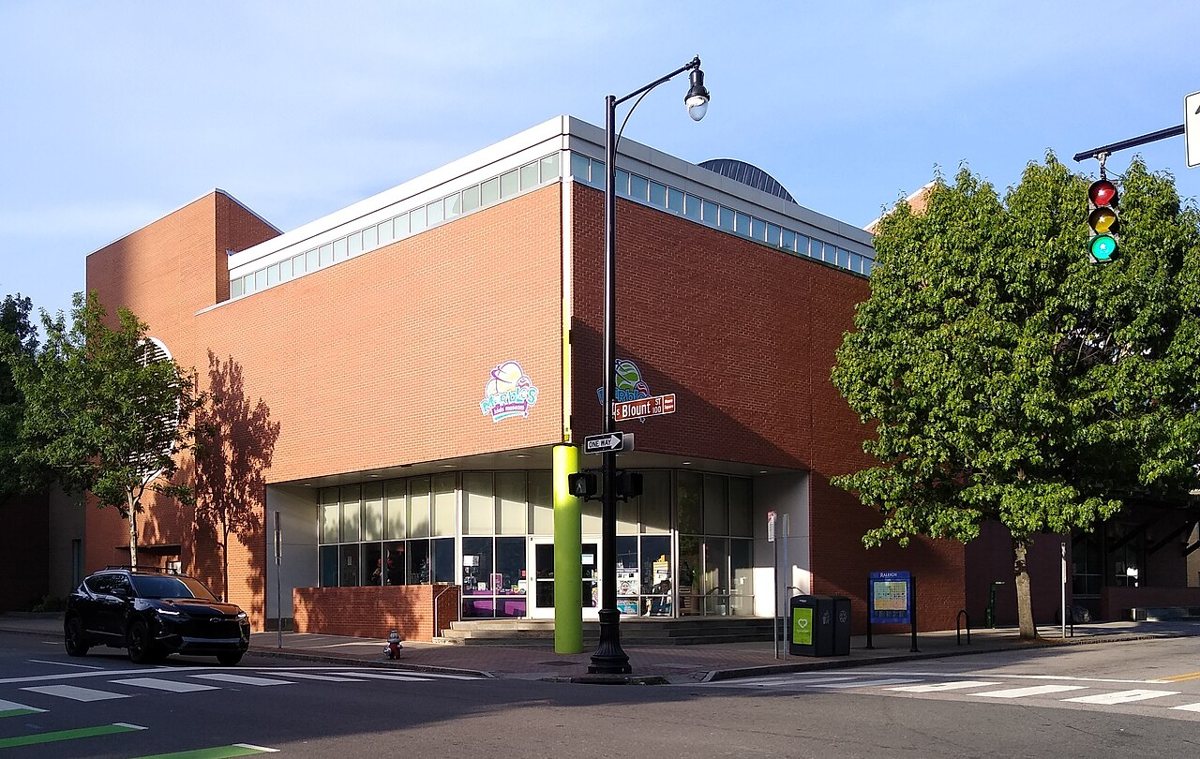
Marbles Kids Museum, downtown near Moore Square, is built for exactly the kind of restless energy that spring brings out in younger kids. It's hands-on throughout, with a giant climbing structure, a grocery store and other role-play exhibits, plus an IMAX theater attached. It gets busy on weekends and especially on rainy days when parents are looking for the same indoor plan everyone else had, so a weekday morning during spring break or a school holiday is worth avoiding if you can help it, and a regular weekday is your best bet for shorter lines. It sits close enough to both other downtown museums and Moore Square that a family can cover all three in a single day without much backtracking.

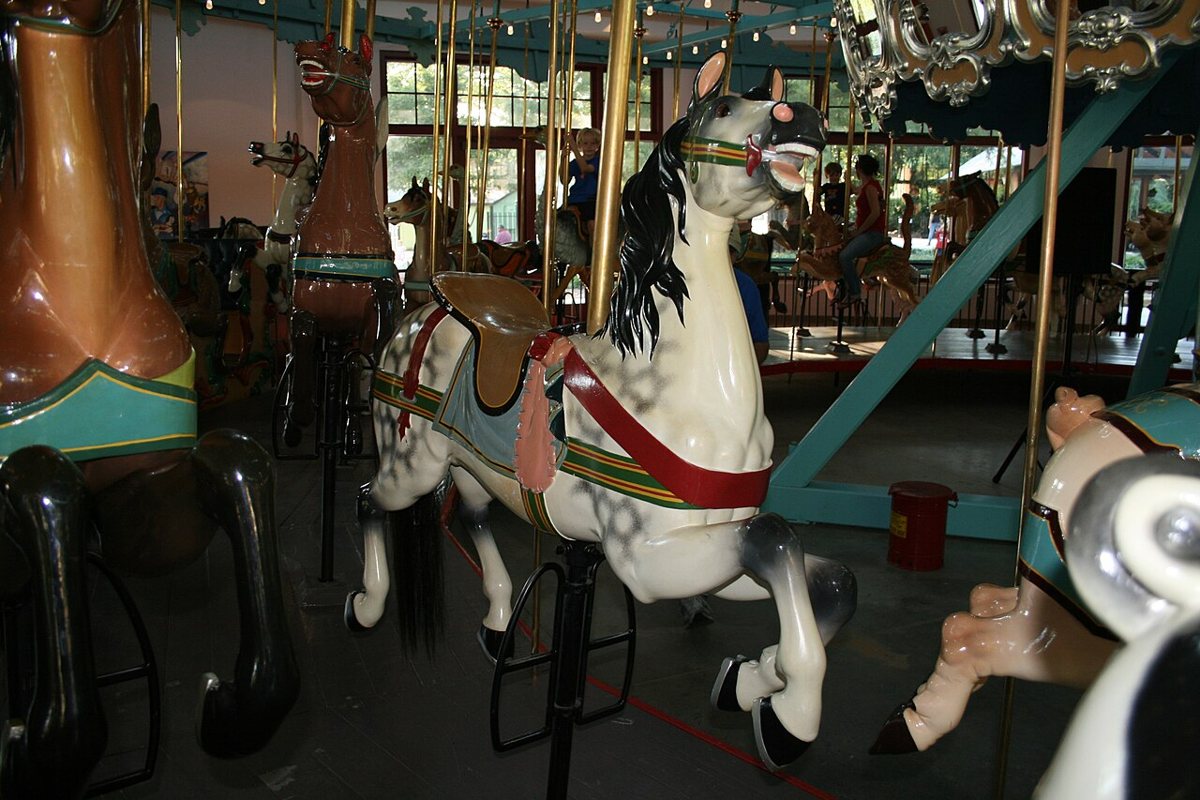
Pullen Park, next to NC State's campus, rounds out the kid-friendly list and might be the most purely nostalgic spot on it for longtime Raleigh residents. Its carousel dates back over a century and still runs seasonally, alongside paddle boats on the park's small lake, a train ride, and playgrounds spread across shaded grounds. All of it reopens for the year in spring after a slower winter schedule, and it's an easy pairing with a walk through the NC State campus itself, whose older quads are lined with the same flowering trees you'll see at the arboretum a mile or so away. Get there when it opens on a weekend morning if you want to beat both the crowds and the parking crunch. Bring a picnic if the weather cooperates. There's plenty of shaded grass near the lake, and it beats waiting in line at the small concession stand once the park fills in on a nice afternoon.

Getting Around and Practical Notes
Raleigh spreads out more than its downtown skyline suggests, and most of what's on this list is easiest to reach by car. Downtown itself, from the museum district through Moore Square to Glenwood South, is walkable once you've parked, and a few of the greenway segments let you string together a car-free afternoon if you're staying near one. Weather can swing hard in a single week during March and April, so layer up for outdoor plans and keep an indoor backup in your pocket. A warm 75-degree afternoon can be followed by a chilly, damp one just a few days later, and both are entirely normal for this stretch of the calendar.
- Bloom timing shifts year to year. Redbuds and cherries generally lead in March, with the arboretum and rose garden building through April and into May.
- Most of the standout museums, the natural sciences museum, the history museum and the art museum's galleries, don't charge admission, which makes them an easy default when a spring afternoon turns wet.
- Parking downtown is easiest on weekday mornings and hardest on the first genuinely warm Saturday of the year, when everyone seems to have the same idea at once.
- Layer for temperature swings. Mornings can start in the 40s and climb thirty degrees by mid-afternoon.
- Pollen season overlaps heavily with peak bloom, so anyone sensitive to it should plan accordingly, especially around the arboretum and Umstead's wooded trails.
If you're new to the city or just want a broader sense of how its neighborhoods differ from each other, our guide to Raleigh's neighborhoods is a good next stop before you start mapping out a visit. It's worth remembering, too, that this list only covers the Raleigh side of things. The Triangle stretches well beyond the city line, and Durham and Chapel Hill both run their own full slate of spring parks, gardens and museums that are easily worth a separate day if your visit has any flexibility built in.
What makes a Raleigh spring worth building a trip around isn't any single headline attraction. It's how much of it is free, how close together it all sits, and how quickly the city turns outward once the weather allows it. Nobody here calls this a sleepy town, and spring is the season that makes that most obvious, with parks, patios and museum lawns all filling up within the same few weeks. It's also not trying to be some other city's version of a spring boomtown. It's just Raleigh doing what it does best once the redbuds come in: a state capital with a research university at its center, more public land than people expect, and a calendar that finally opens back up after winter. Pick two or three from this list, leave room for a farmers market stop, and let the rest of the plan stay loose. That's how it actually works here.