Best New Restaurants in Raleigh: A Local's Guide
Raleigh's restaurant scene is expanding faster than any one list can track it, so here's how to find the good ones yourself instead of waiting for someone else to name them.
Walk down West Street on a weeknight and you will pass at least one storefront with paper still taped over the glass, a menu board propped against the window frame, waiting for someone to hang it. That is the current state of dining in Raleigh: a build-out on nearly every block downtown, more concepts in progress than any single writer can verify, and a public that has learned to treat a blacked-out window as a rumor worth investigating. If you are searching for the best new restaurants in Raleigh, you picked an active year and a genuinely confusing one. Openings are arriving faster than they can be cataloged, and they are clustering in a handful of corridors that are reshaping downtown at roughly the same pace tech money is reshaping the rest of the Triangle.
That growth is not evenly spread. It pools in specific streets and specific building types: old warehouses with the right ceiling height, ground-floor retail in new residential towers, corner spots in neighborhoods that already have foot traffic on a Friday. Knowing where to look does more for you than any ranked list, because rankings go stale the week they publish and a good corridor keeps producing.
How to Find the Best New Restaurants in Raleigh
Start with geography rather than a list of names. Raleigh's new-restaurant activity concentrates in a few corridors, each with its own logic, and once you understand the logic you can spot an opening before it has a sign out front.
The Corridors Doing the Heavy Lifting
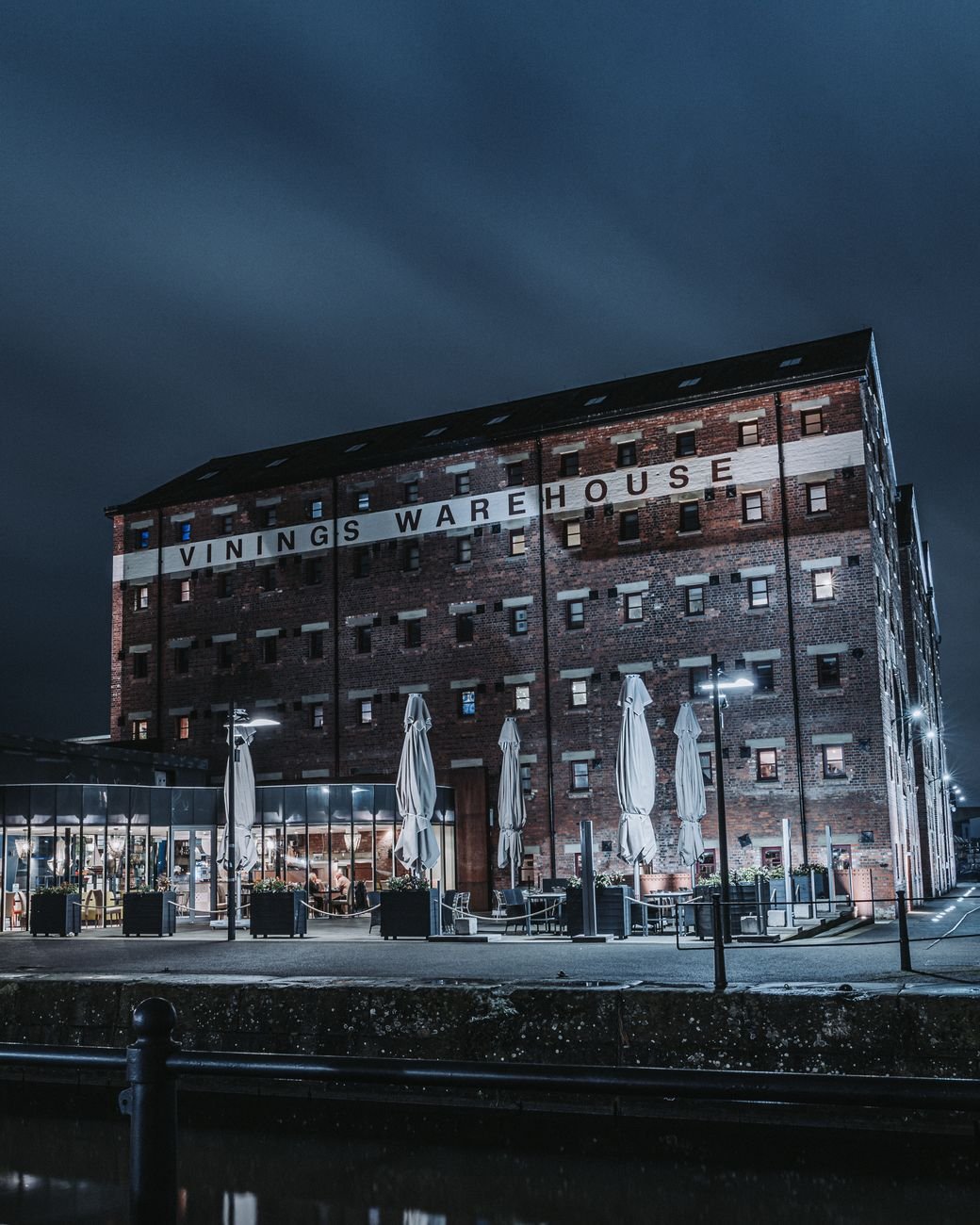
The Warehouse District, south and west of Moore Square, has the most raw square footage to work with. Old brick buildings that once held printing operations and wholesale distributors now hold restaurants with exposed duct work and room for an open kitchen, the kind of shell a chef with real ambition wants. It sits close enough to the arts and music venues that a restaurant here can lean on evening foot traffic without needing its own destination pull.
Glenwood South stays the default answer for a night out, and its restaurant turnover reflects that. Rents are higher and the audience skews toward people already out drinking, so concepts here tend toward shareable plates, cocktail-forward menus, and rooms designed to be loud on purpose. It is not the place to find a quiet chef's-counter experience, but it is reliably the place to find whatever is currently trendy in Raleigh, for better or worse.
Five Points moves slower and rewards patience. The neighborhood's older bungalow crowd has real loyalty to the businesses already there, so new openings tend to be smaller, often a second concept from an operator who already has a foothold nearby rather than an outside group parachuting in. Downtown proper and North Hills round things out differently: downtown gets density from new apartment towers that need ground-floor tenants, while North Hills draws concepts built around a suburban dinner crowd with money to spend and less patience for a wait.
What's Driving the Openings
A few forces are pushing all of this at once. Downtown's residential population has grown enough that restaurants can now count on walk-in traffic instead of relying entirely on destination diners driving in from North Raleigh. The region's brewery scene, which built its own audience over the past decade, has trained a generation of diners to expect a food program alongside their pint rather than a food truck parked outside. And chefs who trained in bigger cities keep landing here, drawn by lower buildout costs than Charlotte or D.C. and a dining public hungry for something beyond the barbecue-and-biscuit baseline, even as that baseline stays beloved for good reason.
The concepts themselves cluster into a few recognizable types right now:
- Small-plate, chef-driven rooms built around a tasting menu or a tight seasonal list rather than a sprawling menu of everything
- Global concepts that go deeper than a general Asian-fusion label, often a chef cooking one specific regional cuisine with real fidelity
- Natural wine and low-intervention bars that pair a short, ambitious food menu with an unusual bottle list
- Upscale fast-casual spots betting that Raleigh diners will pay more for a counter-service meal if the ingredients justify it
- Brewery-adjacent food programs that have grown from occasional pop-ups into full kitchens with their own identity
Reading the Room Before You Order
A local scout does not wait for a review to appear. Watch for permit signs in a storefront window, then check whether the group behind it already runs something you trust elsewhere in the Triangle. A chef or ownership group with one solid restaurant already open is a better bet than an entirely unknown name with a slick logo and no track record yet. Following the pitmasters who've built Raleigh's barbecue reputation also tells you something: the same instinct for sourcing and patience that makes a whole-hog joint worth a drive tends to show up in newer chefs who trained under those cooks before opening their own place.
Once you are inside, a few things separate a place with real staying power from one riding an opening-week crowd. A menu that changes with what's available at the NC State Farmers Market, rather than staying frozen for months, usually signals a kitchen paying attention. So does a wine or beer list that reflects the Triangle's deep bench of local breweries instead of defaulting to whatever a national distributor pushes hardest. A dining room that is full on a Tuesday matters more than one that is full on a Saturday, since a Saturday crowd can be curiosity and a Tuesday crowd is usually loyalty.
Service tells you plenty too. A server who can talk through where a dish's ingredients come from, without reciting a script, usually works for a kitchen that cares past the ribbon-cutting. Portion consistency across a few visits matters more than a spectacular first meal, since any new kitchen can nail one plate on one night.
None of this requires waiting on a magazine list, which will always lag behind what is actually happening on the ground. Pick a corridor, walk it on a weeknight, and treat the storefronts still wearing paper on the windows as your best lead. By the time a place gets written up, the regulars who found it by paying attention are already three visits in, and they are the ones who will tell you honestly whether it's worth your night.