Best Italian Restaurants in North Hills You'll Actually Love
In North Hills' crowded restaurant rows, the tells that separate real Italian cooking from Americanized filler are easy to spot once you know where to look.
By seven on a Friday, the valet line outside North Hills' main restaurant row already stretches past the sidewalk planters, headlights sweeping the promenade while hostesses juggle thirty-minute waits on tablets. Somewhere in that crowd of steakhouses, cocktail bars, and patio tables sits real Italian cooking, though finding it takes more than trusting a menu that promises "authentic" in cursive type. Anyone searching for the best italian restaurants in north hills usually starts with star ratings, a fair instinct that still misses what separates a kitchen rolling its own pasta from one microwaving a bag shipped in from a broadline distributor.
North Hills earned its reputation as Raleigh's polished dinner-and-a-walk district, the kind of place where a couple can eat well, browse the shops afterward, and never move the car. Durham and Chapel Hill have serious Italian kitchens of their own, and the wider Triangle doesn't lack for options, but North Hills is one of the few spots in Raleigh proper where several choices sit within an easy walk of each other. That density means ambition varies block to block. Some kitchens chase a genuine regional Italian tradition. Others serve Americanized comfort food with an Italian accent and charge steakhouse prices for it.
Best Italian Restaurants in North Hills: What Actually Signals Quality
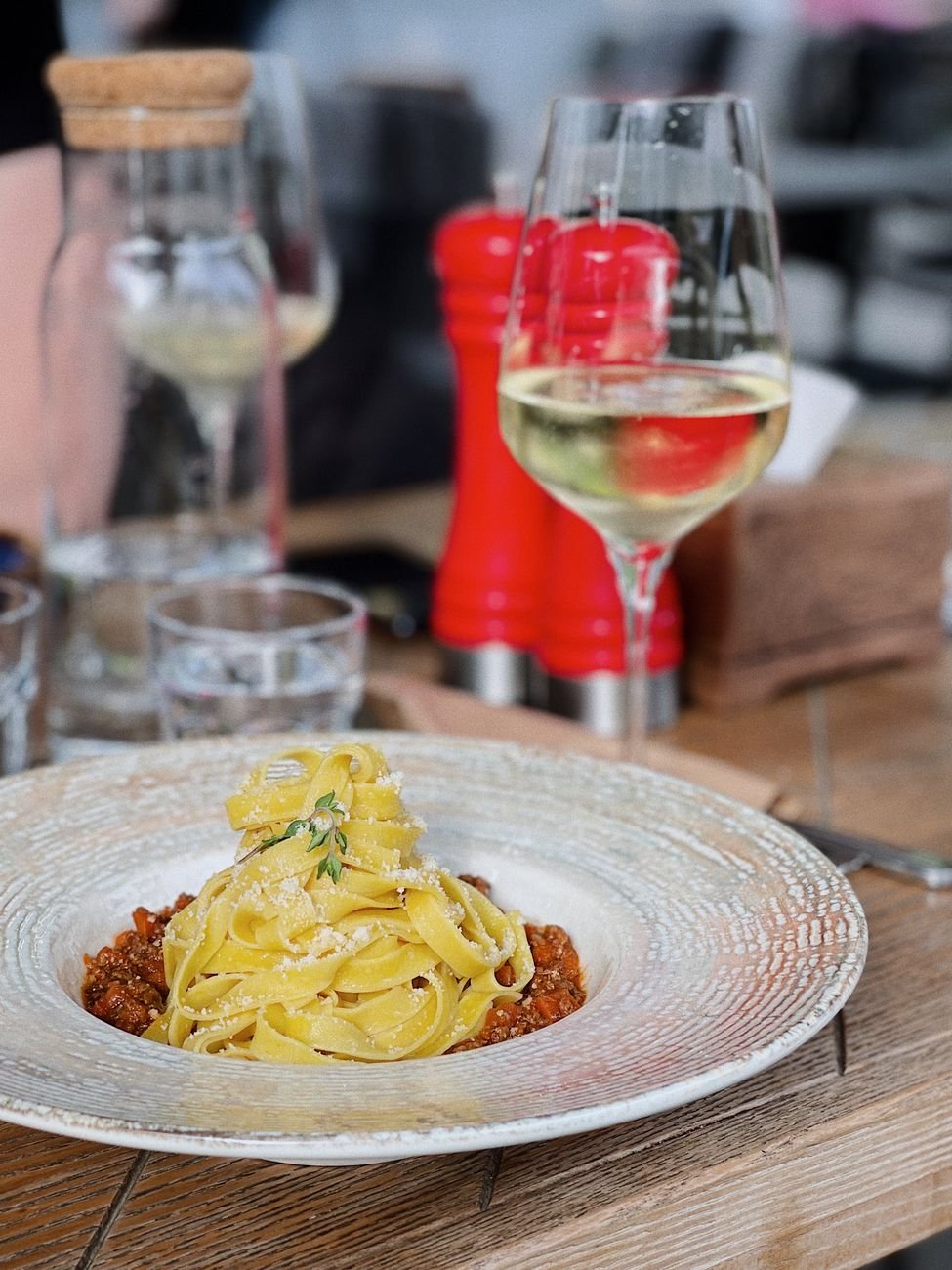
Skip the menu descriptions and look for concrete tells instead. Fresh pasta made in-house has a rougher, slightly matte surface and holds sauce differently than dried pasta; it also tends to appear on a smaller, changing section of the menu rather than a wall of forty entrees. Bread service matters more than it seems, too: pouring good olive oil for dipping signals a kitchen paying similar attention to its sauces, while butter or garlic bread pulled from a freezer bag tells you where the budget goes.
The wine list offers another honest signal. A restaurant willing to stock a few regional Italian bottles, a Barbera, a Vermentino, something beyond the standard Chianti and Pinot Grigio pour, generally cares about the rest of the plate too. Wine lists built entirely around familiar Napa cabernets suggest the kitchen is following a steakhouse playbook, with Italian food treated as a side interest rather than the point.
Pizza tells its own story. Char and blister on the crust, cooked hot and fast, comes from a kitchen that invested in the right oven and dough process. Pale, soft crust baked at moderate heat in a standard oven usually means pizza got added to round out the menu rather than earning a place as a specialty.
Order This to Test the Kitchen
These dishes work as a reliable litmus test on a first visit:
- A simple marinara or pomodoro, a sauce with nowhere to hide.
- Cacio e pepe, which falls apart fast if the pasta water and cheese ratio is off.
- A seasonal vegetable side, since a kitchen that seasons vegetables with care is usually paying attention everywhere else too.
- The bread and oil, before a single appetizer arrives.
Red Flags Worth Trusting
Several warning signs show up again and again in North Hills dining rooms that are coasting on location rather than cooking:
- Marinara that tastes sweet rather than bright, often sugar covering for low-quality canned tomatoes.
- A photo-heavy menu the size of a place mat, usually a sign of cooking from a central commissary instead of to order.
- Chicken parmesan or fettuccine Alfredo positioned as the headline dish rather than a supporting one.
- Portions so enormous they read as a distraction from what's actually on the plate.
How North Hills' Dining Rows Actually Work
Weekend reservations fill fast in North Hills, especially for patio seating once the weather turns, so booking by midweek is worth the ten minutes it takes. Valet service is common along the main promenade and often faster than circling the deck for a spot. National chains and independent kitchens sit side by side here block by block, so a restaurant's name alone tells you less than it might in a neighborhood with a tighter identity. Pairing dinner with a slow walk through the district afterward is part of the appeal rather than an afterthought, since most of the shops stay open past the dinner rush.
The crowd here skews toward date-night energy rather than family-casual, especially after dark, when patios fill with couples and the older-money regulars who built the district's reputation for polish over flash. On nights when Italian isn't calling, the rest of Raleigh's dining scene covers steakhouses, seafood, and the cocktail bars that keep the promenade loud until closing.
Treat a first visit like reconnaissance. Order the simplest dish on the menu, note the bread and the wine list, and judge the kitchen on what it does with almost nothing to hide behind. A restaurant that nails a plain bowl of pasta earns a second visit for the ambitious dishes. One that needs cream sauce and a laminated photo to make the sale probably won't.