Glenwood South Neighborhood Guide: The Local Guide
Glenwood South runs on two clocks — a quiet daytime one and a loud nighttime one — and knowing which you're walking into changes everything about how to enjoy it.
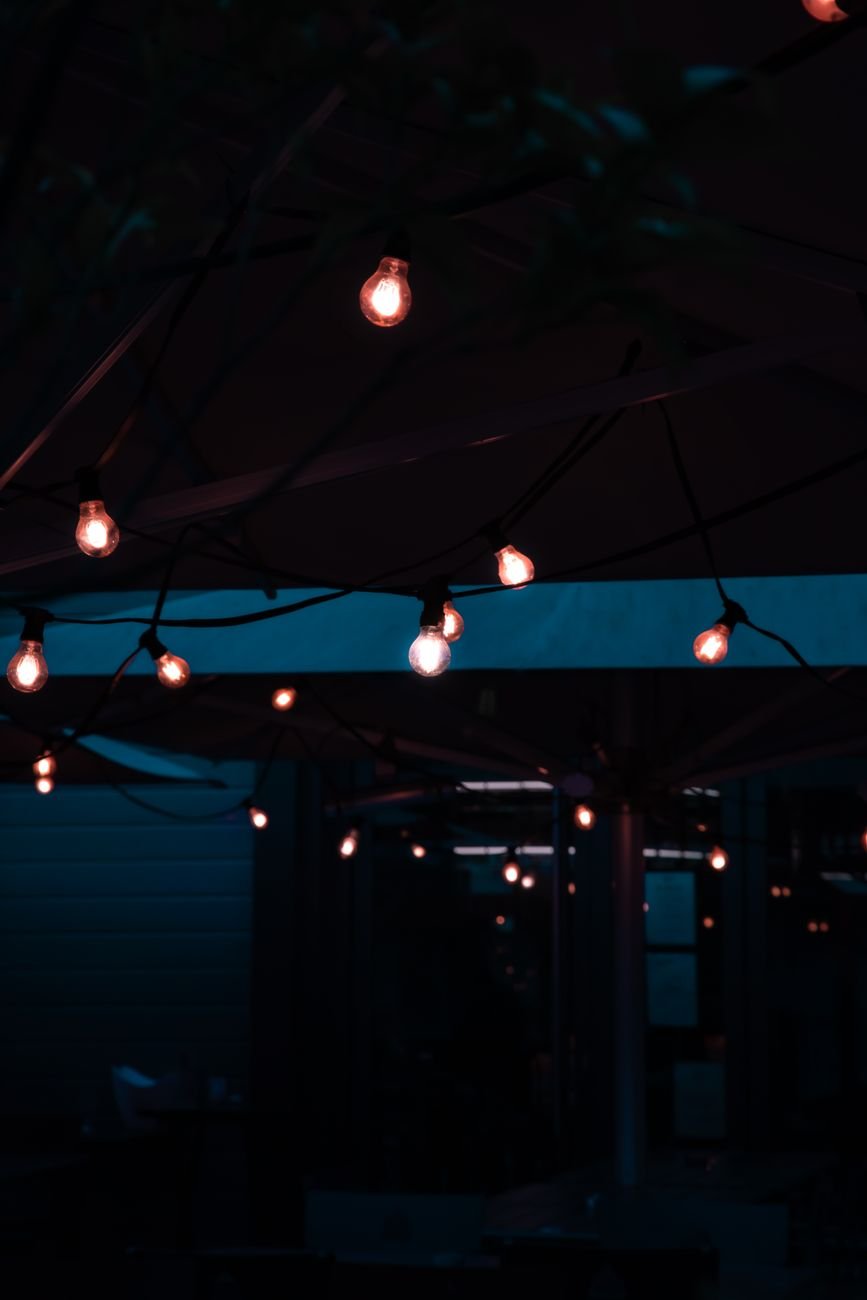
By six on a Friday evening, string lights click on above the sidewalks of Glenwood Avenue before downtown Raleigh's sky has finished going orange. Valet stands appear outside doors propped open with chalkboard menus. A line forms at the base of a stairwell leading to a rooftop patio, and the smell of woodsmoke competes with window-unit air conditioners running in the lofts above. This is Glenwood South at the hour it becomes itself, and the gap between that hour and ten that same morning is the whole story of the neighborhood.
This Glenwood South neighborhood guide starts with geography, not mood. The corridor runs along Glenwood Avenue just west of downtown Raleigh's government core, an easy walk from the Warehouse District and close enough to Five Points that some residents cut through on foot rather than drive. Cameron Village sits a short distance north. North Hills is farther out, a different kind of commercial district entirely. Glenwood South is compact by comparison, a few blocks that carry an outsized share of Raleigh's going-out energy.
A Glenwood South Neighborhood Guide to Day and Night
Mornings here belong to a smaller cast. Office workers from the nearby government buildings grab coffee before their shift starts. Dog walkers move along the side streets past converted warehouses and newer apartment buildings that share block space with older brick storefronts. Boutique fitness studios open early. A yoga class lets out onto a sidewalk that, twelve hours later, will be lined three deep with people waiting for a table. Brunch stretches the morning quiet into early afternoon, but even then the pace stays unhurried compared to what comes after dark.
Night flips the entire equation. Restaurant patios fill first, then bars pull in a second wave once kitchens stop taking walk-ins. Doors with cover charges appear around ten. Sidewalks narrow under the weight of foot traffic moving between blocks, and the noise carries — a real point of friction in a district that mixes restaurants, bars, and residential lofts within a few hundred feet of each other. Weekend nights draw a mix that says something about Raleigh itself: state employees who left their desks hours earlier, university students down from Hillsborough Street, and a growing contingent of Research Triangle tech workers who treat Glenwood South as their release valve after a week spent in office parks. Nobody in this crowd would describe Raleigh as a sleepy Southern town, and standing on this street at eleven on a Saturday, it is hard to argue with them.
Getting There Without a Headache
Street parking in Glenwood South disappears fast once the sun goes down, and circling the block eats time better spent inside somewhere. A few practical notes worth knowing before a visit:
- The R-Line, Raleigh's free downtown circulator, connects Glenwood South to Fayetteville Street, Moore Square, and the Warehouse District on a loop that runs into the evening, which makes it a reasonable way to avoid the parking scramble entirely.
- Rideshare pickup near the busiest blocks slows to a crawl on weekend nights, so building in extra wait time saves frustration.
- Walking from downtown proper takes less time than most visitors expect, and the route passes directly through blocks worth seeing anyway.
- Daytime parking is far easier to find than nighttime parking, another reason the morning version of this neighborhood rewards a visit on its own terms.
How Glenwood South Fits Into the Triangle
Raleigh's identity gets argued over constantly, and Glenwood South sits near the center of that argument. It is not Durham's warehouse-district grit, and it is not Chapel Hill's college-town scale. It reads instead as the clearest expression of a capital city that grew around state government and university money and then had Research Triangle tech wealth poured on top. The restaurants and bars here skew toward polish rather than dive-bar charm, and the crowd dresses for it. That polish draws comparisons to booming Sun Belt cities, comparisons most longtime Raleigh residents reject outright. Glenwood South did not spring up overnight. It grew out of warehouse buildings that once served entirely different industries, and that layered history still shows in the brick and the bones of the blocks even as the storefronts turn over.
For a first visit, resist the urge to plan around a single destination. Walk the full stretch once before settling anywhere. Patios with string lights and open doors are usually signaling that the kitchen wants the smell of dinner reaching the sidewalk. A short line outside a door with no visible menu posted often means a bar rather than a restaurant, useful information if food is the goal. Side streets running perpendicular to the main strip tend to hold quieter options with shorter waits, a good fallback when the main corridor is at capacity.
The neighborhood rewards visitors who treat it as two different places depending on the hour, rather than one thing to be checked off a list. Come in daylight to see what the district actually looks like underneath the crowd, and come back after dark to see why the crowd shows up at all. Anyone comparing notes with a friend planning a night out in downtown Raleigh's restaurant scene should say the same thing plainly: Glenwood South is not a stop along the way. For a lot of Raleigh, on a lot of nights, it is the destination itself.